Indian Education Minister Resigns After Weeks of ‘Cockroach Party’ Protests
NEW DELHI — July 25, 2026 — India’s Education Minister Dharmendra Pradhan resigned on Saturday, July 25, marking a major victory for the youth-led “Cockroach” protest movement that has shaken Prime Minister Narendra Modi’s government for weeks over exam paper leaks and demanded his ouster .
The announcement triggered scenes of celebration at the main protest site in Jantar Mantar, central Delhi, where tens of thousands of young demonstrators have been camping for weeks. “We have done it,” a visibly emotional Abhijeet Dipke, founder of the Cockroach Janta Party (CJP), told the crowd amid deafening cheers. The CJP posted on social media: “Cockroaches won. Democracy won!” .
Suicide Attack in Pakistan’s Khyber Pakhtunkhwa Kills 15 Security Personnel | ICC Removes Chief Prosecutor Karim Khan on Criminal Charges of Sexual Misconduct.
A Movement Born from a Disparaging Remark
The movement began as a satirical online campaign in May, after India’s Chief Justice Surya Kant allegedly compared unemployed young people to “cockroaches” and “parasites of society” . Dipke, a 30-year-old political communications strategist, launched the Cockroach Janta Party as a “joke” on social media, its name a direct play on Prime Minister Narendra Modi’s ruling Bharatiya Janata Party (BJP) .
Within days, the CJP’s Instagram following surged past 20 million. The movement gained critical mass after the National Eligibility cum Entrance Test (NEET), India’s main medical school entrance exam, was cancelled following allegations of widespread question paper leaks . More than 2.28 million candidates had sat for the exam on May 3; the cancellation forced them to resit weeks later. Reports indicated at least 20 students died by suicide following the scandal .
A Movement Escalates into a Nationwide Challenge
By late June, the movement had evolved beyond its initial demand for Pradhan’s resignation, encompassing anger over corruption, unemployment, and government accountability . Activist Sonam Wangchuk joined a hunger strike at Jantar Mantar on June 28 in solidarity with the movement’s demands. He continued fasting for 26 days before ending it on July 24 .
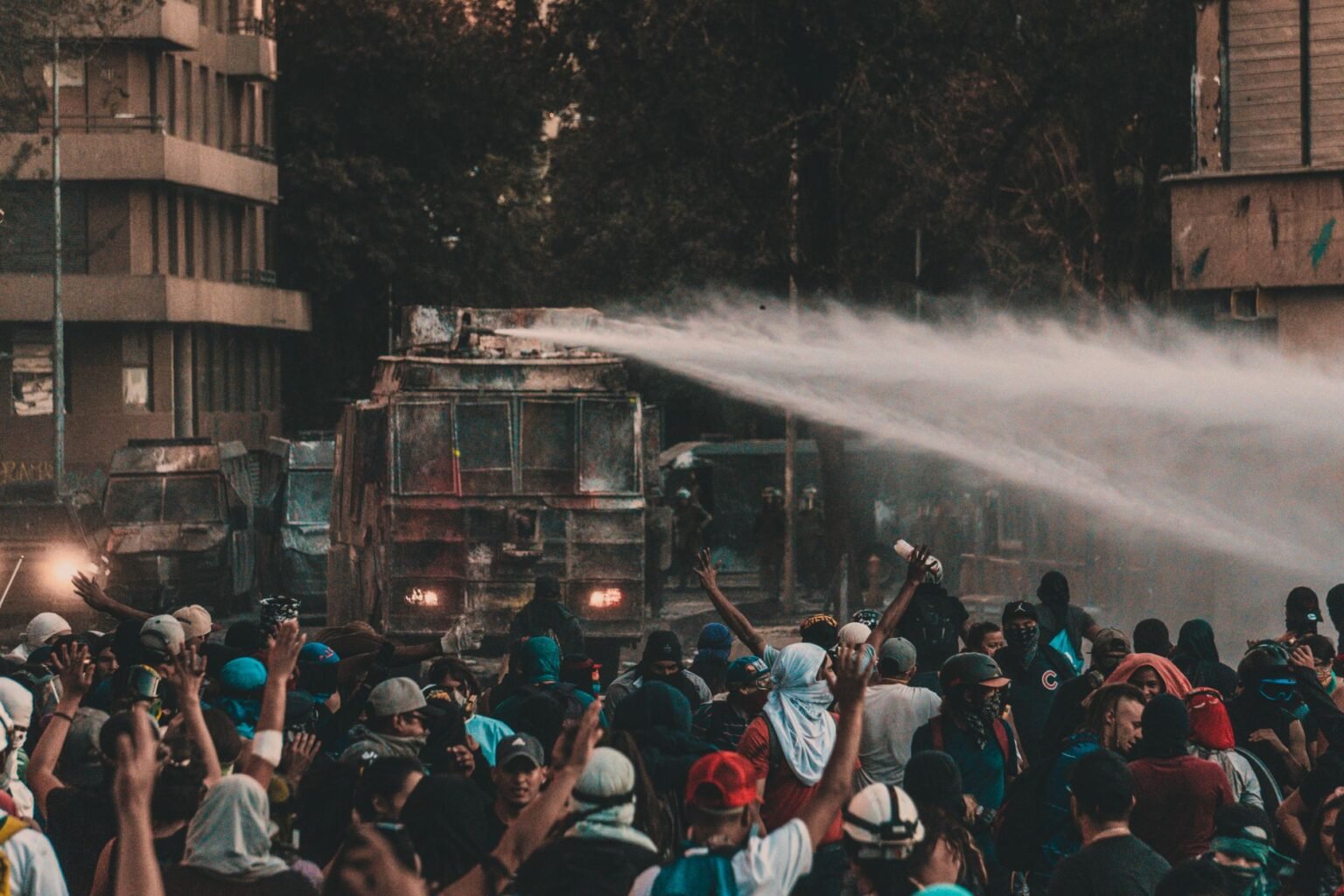
On July 20, tens of thousands of CJP supporters attempted to march to parliament, defying a police ban. Police used batons and tear gas to disperse the crowds, injuring at least 60 protesters and 118 security personnel . The crackdown, which included mobile internet suspension and the shutdown of 16 metro stations around the protest site, drew widespread outrage and further galvanised the movement . Solidarity protests sprouted across India, with demonstrations reported in Mumbai, Bengaluru, Chennai, Kolkata, and other cities .
Government Concedes as Minister Resigns
Despite initial dismissal of the protests, the government began making overtures to movement leaders in the final week of July. Pradhan, who had previously described the student protesters as “the B-team of terrorists,” announced his resignation in a letter addressed to “my young friends” . He cited a desire to prevent “anti-national forces” from exploiting the situation and to ensure that “not even a single student’s future should get entangled in legal complexities” .
“I have been dedicated to students, teachers, and education reform for more than four decades,” Pradhan wrote. He emphasised that he had “taken responsibility” for the leak of the NEET exam .
A Victory, But the Fight Continues
While CJP leaders welcomed the resignation as a major victory, they have warned that their fight is not over. The movement continues to demand compensation for families of students who died by suicide following the NEET scandal and accountability for police officers accused of excessive force against protesters .
Modern World Order Explained: Power, Alliances & Global Systems.
The protests have become one of the most significant displays of public dissent against Prime Minister Modi since he took office in 2014 . The government has not yet announced a successor for Pradhan, and CJP leaders have indicated they will continue pressing for wider structural reforms in the examination system
Global Markets and Oil Prices: April 8, 2026 – Crude Plunges as US-Iran Ceasefire Sparks Relief Rally | Global Markets Rebound as US-Iran Ceasefire Hopes Drive Oil Below $100, Gold Surges.