
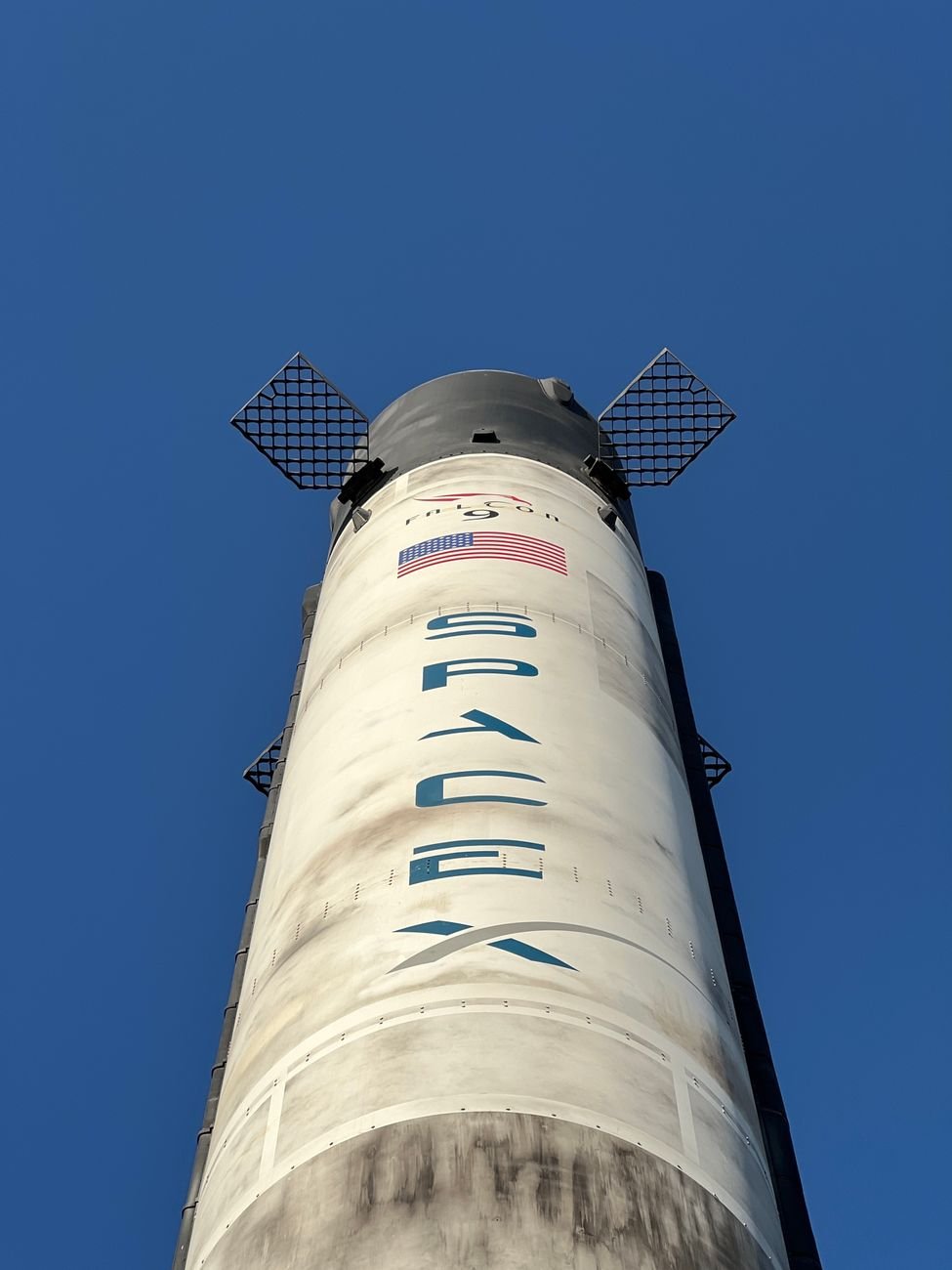
SpaceX’s Starship Completes 13th Test Flight with Successful Starlink Deployment
BOCA CHICA, Texas — July 24, 2026 — SpaceX successfully launched its massive Starship rocket on its 13th test flight Friday, July 24, from the company’s Starbase facility in South Texas, achieving key milestones including the first deployment of next-generation Starlink satellites and a soft splashdown of the upper stage in the Indian Ocean .
The 407-foot (124-meter) two-stage rocket lifted off at approximately 5:51 p.m. Central Time (22:51 GMT), powered by 33 methane-fueled Raptor engines generating some 16 million pounds of thrust . The launch followed two previous attempts—an automatic abort on July 16 triggered by engine ignition issues, and a weather-related delay on July 23 .
NASA Launches Daring $30 Million Robotic Rescue Mission to Save Aging Swift Space Telescope | Britain Unveils Sweeping Social Media Ban for Under-16s, Going Further Than Any Other Country.
Second Test Flight for the Upgraded V3 Design
Friday’s mission marked the second test flight of SpaceX’s upgraded third-generation “V3” Starship design, which features a taller rocket and upgraded Raptor engines. The first V3 test flight in May experienced engine trouble that prevented the booster from making a controlled return; the spacecraft also exploded shortly after splashdown .
SpaceX replaced six of the 33 engines on the first-stage booster after the July 16 abort and implemented software updates to address issues identified during the previous test flight .
Super Heavy Booster Experiences ‘Hard’ Splashdown
After separating from the Starship upper stage approximately two minutes into flight, the Super Heavy booster executed a flip maneuver for a tail-first descent toward the Gulf of Mexico . However, fewer engines restarted than planned during the landing burn, causing the booster to impact the water at a higher velocity than intended—what SpaceX described as a “hard” splashdown .
SpaceX did not attempt to catch the booster using the “Mechazilla” launch tower arms during this test, opting instead for Gulf splashdowns as a safety precaution for the initial flights of the upgraded V3 design .
Starship Deploys 20 Starlink V3 Satellites and Completes Soft Splashdown
The Starship upper stage, meanwhile, continued its climb to space with all six of its Raptor engines operating smoothly . In a first for the Starship program, the spacecraft deployed 20 next-generation Starlink V3 satellites from its payload bay approximately 20 minutes after launch, releasing them one at a time from a slot near the nose of the vehicle .
According to SpaceX CEO Elon Musk, all 20 satellites were functional and briefly established communication with the Starlink network . Six of the satellites carried cameras to photograph Starship’s heat shield during reentry, part of an experiment to test the thermal protection system’s robustness. Some heat shield tiles were deliberately painted white to simulate missing tiles .
The satellites followed the same suborbital trajectory as Starship and burned up in Earth’s atmosphere approximately 20 minutes after deployment, as planned .
The Future of Science & Technology: AI, Space, Biotechnology & Digital Transformation Explained.
Approximately 39 minutes into the flight, Starship successfully demonstrated a Raptor engine restart in space—a critical capability required for future lunar missions . The spacecraft then reentered Earth’s atmosphere, enduring the extreme heat of a belly-first descent, before flipping upright and executing what SpaceX described as its “softest splashdown yet” in the Indian Ocean approximately one hour and five minutes after launch .
NASA’s Artemis Timeline Depends on Starship Progress
NASA is closely monitoring the Starship test program, as the agency is counting on a variant of the upper stage to serve as a lunar lander for astronauts in the Artemis program . NASA Administrator Jared Isaacman praised the test flight, posting a photo of the launch on social media with the caption: “SpaceX knows where we’re going” .
SpaceX must demonstrate the capability to launch up to 15 or so Starship tankers to refuel the lunar lander before it can head for the moon . With the first crewed lunar landing targeted for 2028 under NASA’s Artemis III mission, the company faces significant time pressure to certify the vehicle for human spaceflight .
The 13th test flight was delayed three times—by the July 16 abort, by weather from Tropical Storm Bertha on July 23, and by a July 24 launch attempt that was ultimately successful . This was the second Starship test flight of 2026, following the May V3 debut, and the 13th overall since the program began in 2023.
Bangladesh President Mohammed Shahabuddin Resigns Amid Political Transition and Return of Ousted PM.
‘Priced Out of the Market’: UN Warns Developing Countries Trapped by Unfair Credit Ratings as Debt Costs Soar | ‘They Cannot Afford Another Fall’: Myanmar’s Fragile Recovery from Deadly Earthquake Undermined by Global Crises.
