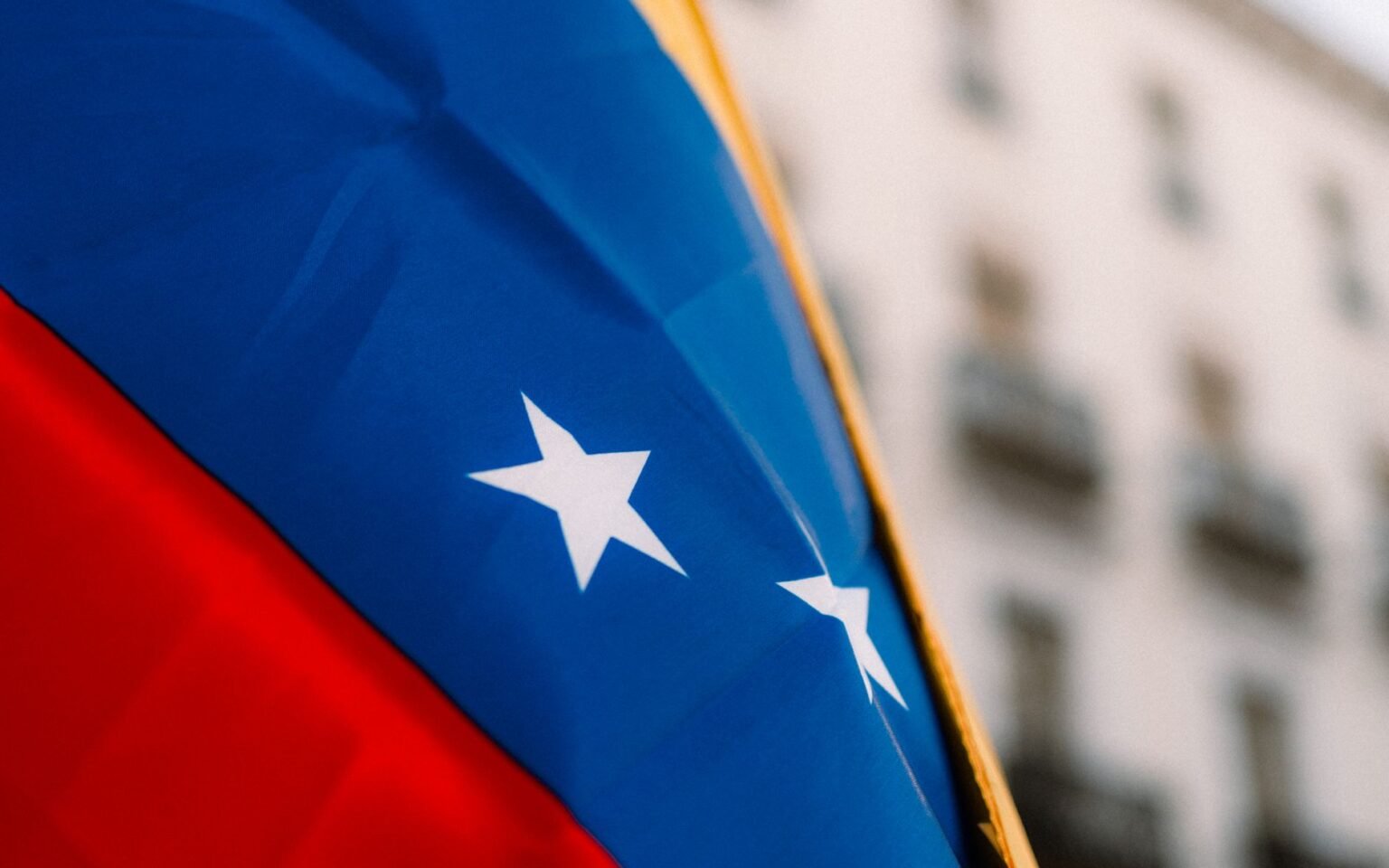
Venezuela Withdraws from International Criminal Court, Citing “Geographical Bias”
CARACAS — July 25, 2026 — Venezuela has formally notified the United Nations of its “firm and irrevocable decision” to withdraw from the International Criminal Court (ICC), the country’s foreign minister announced on Friday, July 24, accusing the Hague-based tribunal of a “demonstrated geographical bias” against nations of the Global South.
Foreign Minister Felix Plasencia announced the decision on social media platform X, stating that interim President Delcy Rodriguez had instructed the move, and that Venezuela had initiated the withdrawal process under Article 127 of the Rome Statute, the ICC’s founding treaty . The withdrawal will take effect one year after the UN receives formal notification .
Indian Education Minister Resigns After Weeks of ‘Cockroach Party’ Protests | Suicide Attack in Pakistan’s Khyber Pakhtunkhwa Kills 15 Security Personnel.
A Long-Standing Tension with the Tribunal
The decision marks the culmination of years of escalating tension between Caracas and The Hague-based court. The ICC formally opened an investigation in 2021 into allegations of crimes against humanity committed during the crackdown on anti-government protests in Venezuela since 2014 . The investigation has focused on abuses allegedly committed by security forces under the government of ousted President Nicolas Maduro.
In December 2025, Venezuela’s National Assembly took steps to repeal the Rome Statute after the ICC closed its Caracas office, citing fruitless government talks . In March 2026, the ICC dismissed complaints filed by Venezuela that U.S. sanctions on the country amounted to crimes against humanity .
The Government’s Rationale
Foreign Minister Plasencia framed the decision as a rejection of what he described as an inequitable international justice system. “Venezuela considers that the Court’s actions reflect a demonstrated geographical bias, which has disproportionately concentrated its work on African and Latin American countries, to the detriment of the Global South,” Plasencia wrote .
He argued that this pattern reveals “an international justice system that, far from being applied equitably, has been instrumentalized to deepen inequalities among peoples and disregard their right to self-determination and sovereignty” . He further accused the court of engaging in “lawfare” aimed at prosecuting the Venezuelan people and serving political interests alien to international law .
Interim President Delcy Rodriguez had previously declared that the ICC had become overly politicized to “attack the Venezuelan people and the Venezuelan state,” and that Caracas no longer trusted the institution .
International Reactions
The ICC expressed regret over the decision, stating it “regret[s] any decision to depart from the collective effort to end impunity for the most serious international crimes” . The court also noted that Venezuela’s obligations under the Rome Statute for crimes committed while it was a member will remain in effect, even after the withdrawal takes full effect .
The United States has welcomed the move, praising interim President Rodriguez’s cooperation with Washington’s efforts to “dismantle” the Hague-based court and urging remaining members to follow suit . The U.S. agency accused the ICC of failing to produce results from its investigation into former President Maduro while directing resources toward countries with “competent, independent judicial systems” .
Modern World Order Explained: Power, Alliances & Global Systems.
The announcement coincides with another major development at the ICC: the dismissal of chief prosecutor Karim Khan over allegations of sexual assault. Member states voted 82-13 to remove Khan, marking the first time a chief prosecutor has been dismissed in the court’s history .
Looking Ahead
The withdrawal will take effect one year after the UN receives formal notification. According to Article 127 of the Rome Statute, a decision to withdraw from the ICC takes effect one year after the UN receives formal notification, unless a later date is specified . However, even after withdrawal, the state remains bound by obligations that arose while it was a party . The decision does not affect any pre-existing cooperation obligations arising from criminal investigations or proceedings that had already commenced .
Bangladesh President Mohammed Shahabuddin Resigns Amid Political Transition and Return of Ousted PM.
Astronauts Return to ISS After Shelter Order Due to Worsening Air Leak | NASA Moon Mission Reaches Back Home: Artemis II Crew Returns to Earth After Historic Lunar Flyby.