
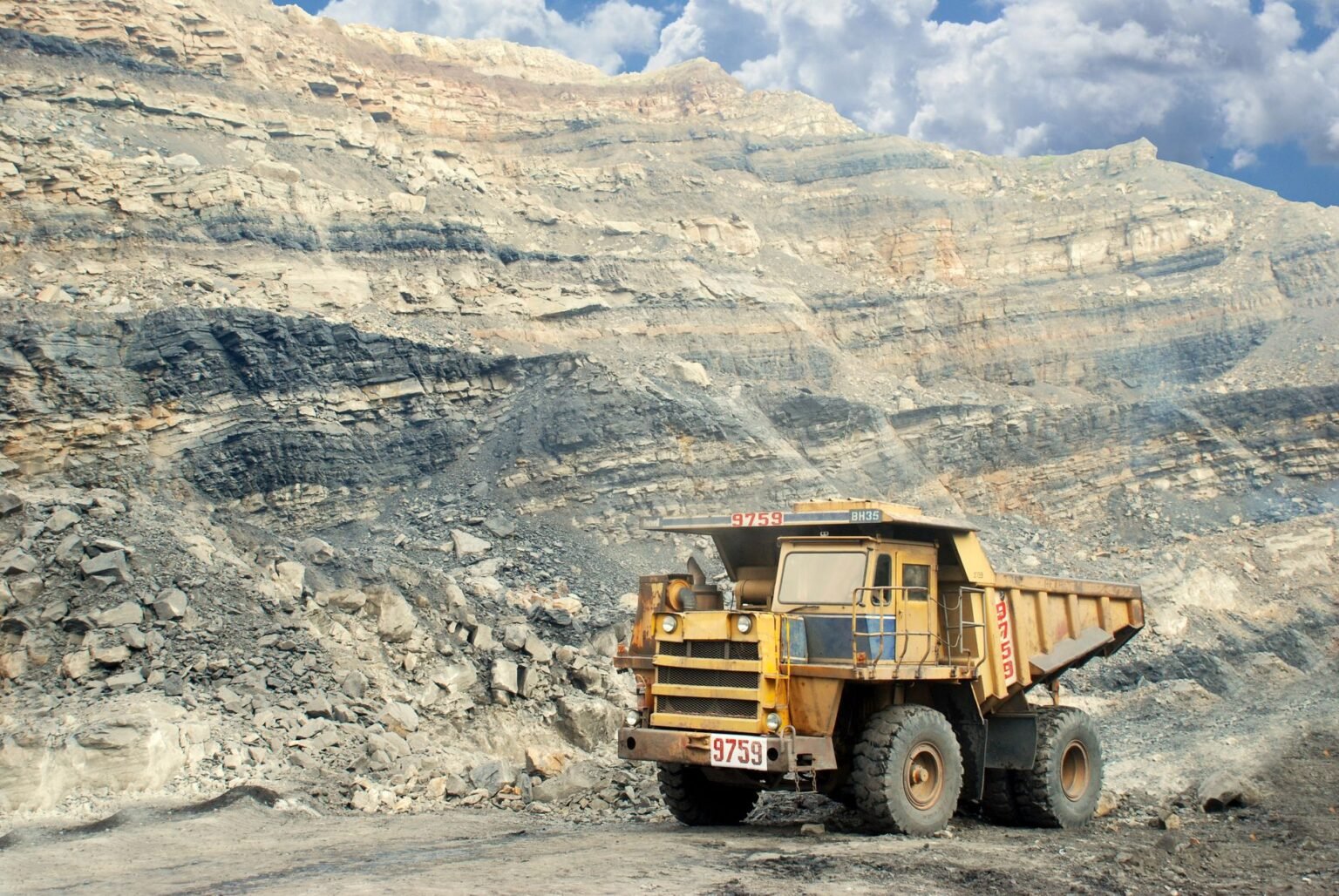
At least 82 Killed in Massive Coal Mine Gas Explosion in Northern China
Beijing — May 23, 2026 — At least 82 people have been confirmed dead, and dozens remain feared trapped underground following a catastrophic gas explosion at a coal mine in northern China, marking one of the country’s deadliest mining disasters in recent years. The explosion occurred Friday evening at the Liushenyu Coal Mine in Changzhi city, Shanxi province, where approximately 247 workers were underground at the time of the blast.
State broadcaster CCTV reported Saturday that the accident has resulted in 82 deaths with nine people still missing, as rescue teams race against time to reach survivors amid dangerously elevated carbon monoxide levels. The incident has triggered an emergency national response and renewed scrutiny of workplace safety standards in China’s vital coal mining sector.
Magnitude 5.9 Earthquake Hits Southern Peru, Injuring at Least 28 and Damaging Buildings | Russian Aerial Attacks Kill Civilians in Kharkiv and Sumy Regions as Long-Range Strikes Escalate.
The Explosion and Immediate Aftermath
The gas explosion tore through the Liushenyu Coal Mine around 7:30 p.m. local time on Friday, according to official news agency Xinhua. Rescue teams detected carbon monoxide levels that had “exceeded limits” at the mine site, complicating efforts to enter the underground tunnels where survivors may still be trapped.
Initial reports suggested dozens of workers had been rescued, but the death toll quickly rose as rescue teams gained access to deeper sections of the mine. The explosion’s intensity trapped workers in multiple underground shafts, with some remaining in “critical condition” according to emergency officials.
Shanxi emergency response teams deployed specialized rescue equipment, including breathing apparatus and gas detection systems, to reach affected areas. The mine’s complex tunnel network, stretching over several kilometers, has slowed rescue operations.
Official Government Response
Chinese President Xi Jinping issued urgent directives Saturday morning, calling for “all-out efforts” to treat injured workers and demanding a thorough investigation into the accident’s causes. According to Xinhua, he “emphasized that all regions and departments must draw lessons from this accident, remain constantly vigilant regarding workplace safety, and resolutely prevent and curb the occurrence of major and catastrophic accidents”.
The State Administration of Work Safety has dispatched a national investigation team to Shanxi province, with senior officials arriving at the mine site Saturday afternoon. Authorities have established an emergency command center coordinating rescue operations across multiple government agencies.
Local officials in Changzhi city announced that hospitals in the region have mobilized 150 medical staff to treat injured miners, with three critical patients transferred to specialized burn and trauma units in provincial capital Taiyuan.
Why This Matters: Global and Regional Impact
This disaster represents a significant workplace safety crisis in China’s coal mining industry, which produces nearly one-third of the world’s coal. Shanxi province alone extracted 1.3 billion tons of coal last year from hundreds of thousands of miners across the region.
Modern World Order Explained: Power, Alliances & Global Systems.
The incident has immediate implications for global energy markets, though coal prices have remained relatively stable as China maintains substantial strategic reserves. More significantly, the explosion raises questions about safety standards in rapidly expanding mining operations across Asia, where coal remains the primary energy source for industrial development.
For China’s leadership, the disaster complicates efforts to balance economic growth with workplace safety reforms. President Xi’s emphasis on preventing “major and catastrophic accidents” reflects growing political pressure to address occupational hazards in high-risk industries.
The human toll also highlights the dangers faced by migrant workers in China’s mining sector, many of whom come from rural provinces and work in hazardous conditions for limited pay. Labor rights advocates are calling for increased protection for vulnerable workers.
Background on Coal Mine Safety in China
Coal mine explosions have historically plagued China’s mining industry, with the country experiencing some of the world’s deadliest mining disasters. The 2004 Sunjiawan mine explosion killed 213 workers, while a 2010 accident in Heilongjiang province claimed 108 lives.
Despite government efforts to improve safety standards over the past decade, Shanxi province remains particularly prone to accidents due to its extensive underground mining operations and geological conditions. The province’s hundreds of thousands of miners work in some of the world’s deepest coal seams, where methane gas accumulation poses constant explosion risks.
China’s State Administration of Work Safety reported 15 major mining accidents in 2025, resulting in 287 deaths—a 12% decrease from 2024 but still far exceeding safety targets. The Liushenyu disaster represents the deadliest single mining accident in China since 2019.
Latest Developments
Rescue operations continued through Saturday night, with teams working in shifts to reach trapped miners. Officials reported that carbon monoxide levels had stabilized in some sections of the mine, allowing limited entry for rescue workers.
The mine’s operator, a state-owned enterprise operator, has been temporarily suspended pending investigation. Authorities have detained three mine managers and two safety inspectors for questioning.
Families of the victims gathered at the mine site Saturday, demanding answers about working conditions and safety protocols. Local officials announced compensation packages of 800,000 yuan (approximately $110,000) for each deceased worker’s family.
President Xi is scheduled to visit Shanxi province next week to assess disaster response efforts and meet with affected families, according to Xinhua.
Coal Mining Context and Geological Factors
Shanxi province, known as China’s coal mining heartland, spans an area larger than Greece with a population of approximately 34 million people. The region’s geological conditions create particular explosion risks, as coal seams frequently contain high concentrations of methane gas.
The Liushenyu Coal Mine operates at depths exceeding 800 meters, where pressure and temperature conditions increase the likelihood of gas accumulation. Ventilation systems are critical for preventing explosive gas buildup, but aging infrastructure and maintenance lapses can compromise safety.
Mining experts note that coal dust explosions, which occur when fine coal particles ignite, can be even more devastating than gas explosions alone. The combination of methane gas and coal dust creates conditions for chain-reaction explosions that travel through miles of tunnels.
FAQ Section
What caused the Liushenyu Coal Mine explosion?
The exact cause remains under investigation, but carbon monoxide levels exceeded limits at the mine, suggesting methane gas accumulation. State media reports indicate the explosion was caused by gas.
How many workers were underground during the explosion?
Approximately 247 workers were underground at the time of Friday evening’s blast.
What is the current death toll and how many remain missing?
At least 82 people have been confirmed dead, with nine people still missing as of Saturday afternoon.
What safety measures failed at the mine?
Ventilation systems likely failed to prevent dangerous gas accumulation, though the official investigation has not yet concluded. The mine operator has been suspended pending findings.
What compensation will victims’ families receive?
Local officials announced 800,000 yuan (approximately $110,000) for each deceased worker’s family.
Wider Implications for Mining Safety
The Liushenyu disaster underscores ongoing challenges in China’s efforts to modernize mining safety standards while maintaining production targets. International mining safety organizations have offered assistance, though China typically conducts its own investigations.
Global mining industry observers note that similar safety challenges exist in coal-mining regions across India, Indonesia, and Australia, where rapid expansion sometimes outpaces safety infrastructure development.
The incident may prompt renewed international cooperation on mining safety standards, particularly as developing nations increase coal production to meet energy demands.
The situation remains fluid as rescue operations continue and investigators work to determine the full scope of the disaster.
Italian 19-year-old dominates Shanghai Grand Prix from pole to finish, leading Mercedes one-two ahead of Lewis Hamilton’s first Ferrari podium | Bahrain and Saudi Arabia Formula 1 Grands Prix Cancelled Due to Middle East Conflict.
