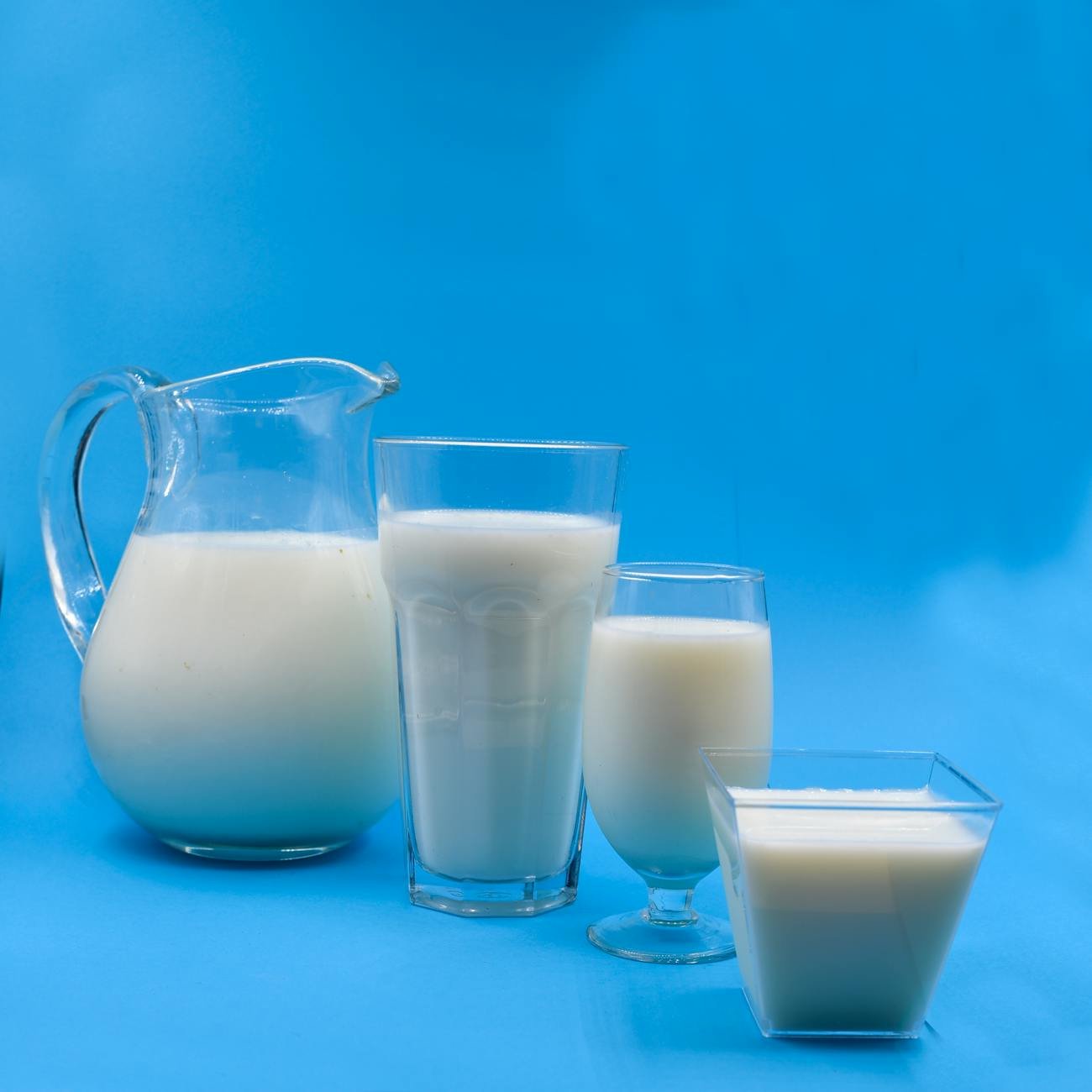
Is Packaged Milk Healthy or Harmful? The Truth Most People Miss
Packaged milk is a daily staple in millions of households. It is used in tea, coffee, cereals, cooking, and as a direct drink for children and adults alike. Because it comes sealed, processed, and shelf-ready, many people wonder whether packaged milk is truly healthy—or whether fresh milk is always the better option.
So, is packaged milk harmful, or is that fear exaggerated?
What Happens When You Skip Breakfast Every Day | Jaggery vs Sugar: Which Is Actually Healthier for Your Body?.
Nutrition experts often evaluate Milk because it provides protein, calcium, vitamins, and other nutrients, while processing methods can influence safety, shelf life, and taste.
Let’s separate myths from facts.
What Is Packaged Milk?
Packaged milk usually refers to milk that has been processed and sold in pouches, cartons, or bottles.
Common forms include:
- pasteurized milk
- toned milk
- full-fat milk
- UHT milk (ultra-high temperature treated)
These processing methods are mainly designed to improve safety and shelf life.
Pasteurization Improves Safety
One of the biggest advantages of packaged milk is pasteurization.
This process heats milk to kill harmful bacteria that may cause illness.
Global Public Health Systems: Policy, Pandemics & Welfare.
It helps reduce the risk of contamination from pathogens that raw milk may carry.
For public health, pasteurization has been one of the most important food safety improvements.
Does Processing Destroy Nutrition?
A common myth is that packaged milk has “no nutrients left.”
This is not true.
Milk still retains valuable nutrients such as:
- protein
- calcium
- vitamin B12
- riboflavin
- potassium
Some heat-sensitive vitamins may reduce slightly, but packaged milk remains nutritionally valuable.
Protein Quality Remains Strong
Milk protein is considered high quality because it contains essential amino acids.
Packaged milk still provides useful protein that supports:
- muscle maintenance
- growth
- recovery
- satiety
This makes it beneficial for children, adults, and older individuals.
Calcium and Bone Health
Milk is well known for calcium content.
Packaged milk continues to provide calcium that supports:
- bones
- teeth
- nerve function
- muscle contraction
Many products are also fortified with vitamin D in some markets, which may support calcium absorption.
What About Preservatives?
Many people assume packaged milk always contains preservatives.
In many cases, especially pasteurized pouch milk, preservatives are not required because refrigeration and processing maintain freshness.
UHT milk gains long shelf life through heat treatment and sealed packaging, not necessarily chemical preservatives.
Always check labels for product-specific ingredients.
Fresh Milk vs Packaged Milk
Fresh milk may appeal to people who prefer minimal processing.
However, fresh milk can also carry higher contamination risk if hygiene, transport, or storage standards are poor.
Packaged milk often offers:
- better consistency
- safety controls
- standardization
- convenience
The healthier option often depends on sourcing and handling quality.
Possible Concerns With Packaged Milk
Packaged milk may not suit everyone.
Some individuals may experience issues due to:
- lactose intolerance
- milk protein allergy
- preference for lower-fat versions
- added sugar in flavored milk products
These are product or personal tolerance issues—not proof that all packaged milk is harmful.
Is Full-Fat or Low-Fat Better?
This depends on individual needs.
✔ Full-fat milk may suit children, active individuals, or those wanting more satiety.
✔ Low-fat options may suit calorie-conscious diets.
The best choice depends on total diet and health goals.
How to Choose a Better Milk Product
When buying packaged milk, consider:
- trusted brand reputation
- proper refrigeration (if required)
- expiry date
- ingredient label
- fat level suited to your needs
For flavored milk, watch for added sugars.
So, Is Packaged Milk Healthy or Harmful?
✔ Healthy when:
- from reliable producers
- stored correctly
- consumed as part of a balanced diet
- tolerated well by the individual
❗ Less ideal when:
- heavily sweetened flavored varieties
- poor storage after purchase
- consumed despite intolerance/allergy
The Bottom Line: Packaged Milk Is Usually Safer Than People Think
Packaged milk is not automatically harmful. In many cases, it is a safe, practical, nutritious option that provides protein, calcium, and important vitamins.
Its processing is primarily about food safety and shelf life—not destroying health value.
For most people, the real issue is not whether milk comes in a package, but:
- product quality
- storage
- total diet
- personal tolerance
In the end, well-handled packaged milk can be a smart everyday choice.
Palestinians Vote in First Local Elections Since Gaza War, Including Pilot Poll in Deir al-Balah.
NASA Moon Mission Reaches Back Home: Artemis II Crew Returns to Earth After Historic Lunar Flyby | Science to Space: NASA, SpaceX Target April 8 Launch for Northrop Grumman’s CRS-24 Resupply Mission.