Kiwi Birds Return to New Zealand’s Capital After Century-Long Absence, Mark Historic Conservation Milestone
WELLINGTON, New Zealand — May 1, 2026 — The kiwi, New Zealand’s sacred national bird, has returned to the hills around Wellington after vanishing from the capital more than a century ago, as a citizen-led campaign completed the translocation of 250 wild kiwi to the city.
On Tuesday night, April 28, 2026, a small group gathered on a mist-covered hill above the dark sea between New Zealand’s North and South Islands, carrying seven crates in silence by dim red torchlight. Inside each crate nestled a kiwi—the final birds relocated to Wellington under the Capital Kiwi Project, a charitable trust founded to restore the endangered flightless bird to the city.
Sakurajima Volcano Erupts in Southern Japan, Sending Ash 3.4 km High | California Wildfire 75% Contained as Evacuation Orders Lifted.
“They are a part of who we are and our sense of belonging here,” said Paul Ward, founder of the Capital Kiwi Project. “But they’ve been gone from these hills for well over a century and we decided as Wellingtonians that wasn’t right”.
History of Kiwi in New Zealand
It is thought that 12 million kiwi once roamed the landscape of New Zealand before human arrival. Today, only about 70,000 remain across the country, with the population declining approximately 2 percent each year. The birds vanished from the hills around Wellington more than 100 years ago due to human encroachment and introduced predators.
Historic First: Kiwi Enter Parliament
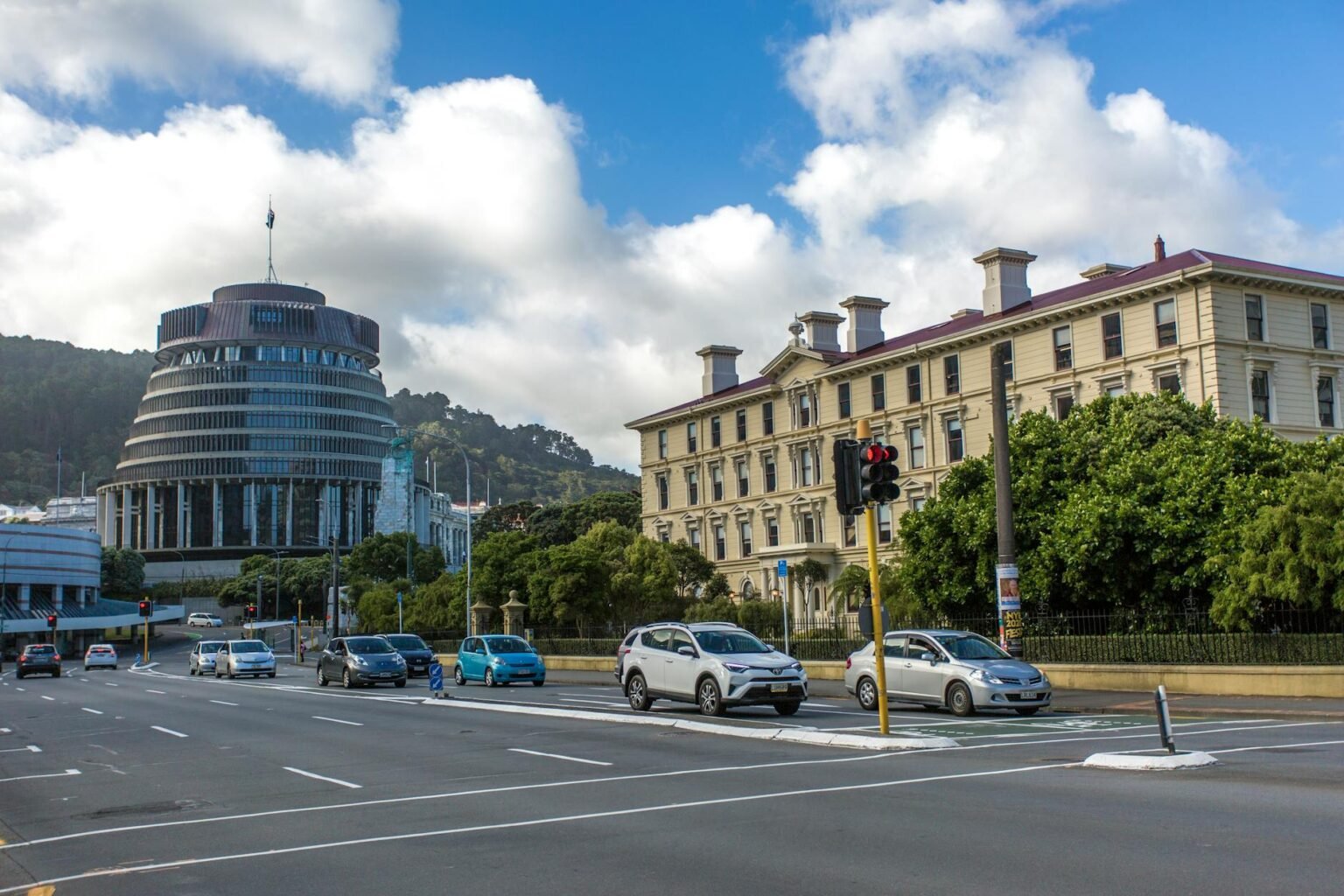
In a historic milestone for both conservation and national symbolism, live kiwi were hosted at New Zealand’s Parliament for the first time on Monday night, April 27, 2026. The event, held in Parliament’s grand banquet hall, brought together lawmakers, schoolchildren, iwi (Māori tribes), and environmental groups to celebrate the 250th kiwi’s arrival in the city.
“This is our manu [birds] coming home to the place they have inhabited for millions of years but which they had a brief exile from,” Ward told The Guardian at the event.
Conservation workers cradled the large birds like human babies, their gnarled feet outstretched, as lawmakers and children alike expressed whispered delight at seeing the timid, nocturnal birds up close—many for the first time.
The birds were welcomed by iwi mana whenua with a pōwhiri (formal welcome) at Parliament before being taken to their new home on the hills at Terawhiti Station, the core area of the project situated on the edge of Cook Strait.
Conservation Minister Tama Potaka noted the significance of the occasion: “This is the first time that kiwi have been able to come into te Whare Pāremata” (the Parliament building). Speaker Gerry Brownlee granted special permission for the birds to enter the parliamentary precinct.
Climate Change Explained: Science, Global Policy, Economic Impact & Sustainability Strategy.
Project Milestones and Predator Control
The Capital Kiwi Project began in 2022 with the first cohort of 11 kiwi released into a vast sweep of hilly farmland in Mākara, 25 minutes west of Wellington’s centre. Since then, 250 kiwi have been translocated to the Wellington hills, with the population now estimated at approximately 300 birds in the western Wellington hills.
The project has greatly exceeded its conservation targets. Under the terms of its Department of Conservation permit, the project was required to achieve a 30 percent chick survival rate. It has instead achieved an unprecedented 90 percent chick survival rate.
This success has been made possible by extensive predator control measures. Over the past decade, efforts between landowners, the local Māori tribe, and the Capital Kiwi Project have produced a sprawling 24,000-hectare (approximately 59,000-acre) tract of land where kiwi can roam. More than 5,000 traps have been deployed for stoats, the main predator of kiwi chicks.
Rahul Papa, who chairs Ngāti Korokī Kahukura and represents Sanctuary Mountain Maungatautari in the Waikato, told RNZ: “Notwithstanding the two-legged sort of kiwis, the actual taonga [treasures], I can’t think of another time where that has happened. So this is a huge first for these wonderful taonga, it’s a huge first for the Parliament, and it’s a huge first for the nation”.
Conservation Achievements
Kiwi have already been spotted in residents’ backyards, by late-night mountain bikers, and on suburban security camera footage—far from where they were originally released.
“They’re living and calling and being encountered on the hills surrounding our city,” Ward said.
The initiative is part of New Zealand’s national goal to rid the island nation of introduced predators—including feral cats, possums, rats and stoats—by the year 2050, a target established by the government in 2016.
Wellington mayor Andrew Little told The Guardian that the project’s success has profound implications for urban conservation. “It’s demonstrating that even for a concentrated urban environment like Wellington city, we can restore biodiversity,” he said.
Future Outlook
With the completion of the translocation phase, the Capital Kiwi Project has now shifted its focus to ongoing predator control and monitoring to ensure the long-term survival of the Wellington kiwi population. The success of the project has demonstrated that endangered species can not only survive but thrive in urban environments when supported by committed community action and robust conservation infrastructure.
“This animal has given us as a people so much in terms of our sense of identity,” Ward told The Associated Press at the Parliament celebration. “We want to challenge our civic leaders, our politicians and say this is a relationship we need to honor”.
SOURCES / INPUTS
Department of Conservation New Zealand
Capital Kiwi Project Official Website
Italian 19-year-old dominates Shanghai Grand Prix from pole to finish, leading Mercedes one-two ahead of Lewis Hamilton’s first Ferrari podium | Bahrain and Saudi Arabia Formula 1 Grands Prix Cancelled Due to Middle East Conflict.