Venezuela to Release 300 More Prisoners Under Amnesty Law as Reforms Continue
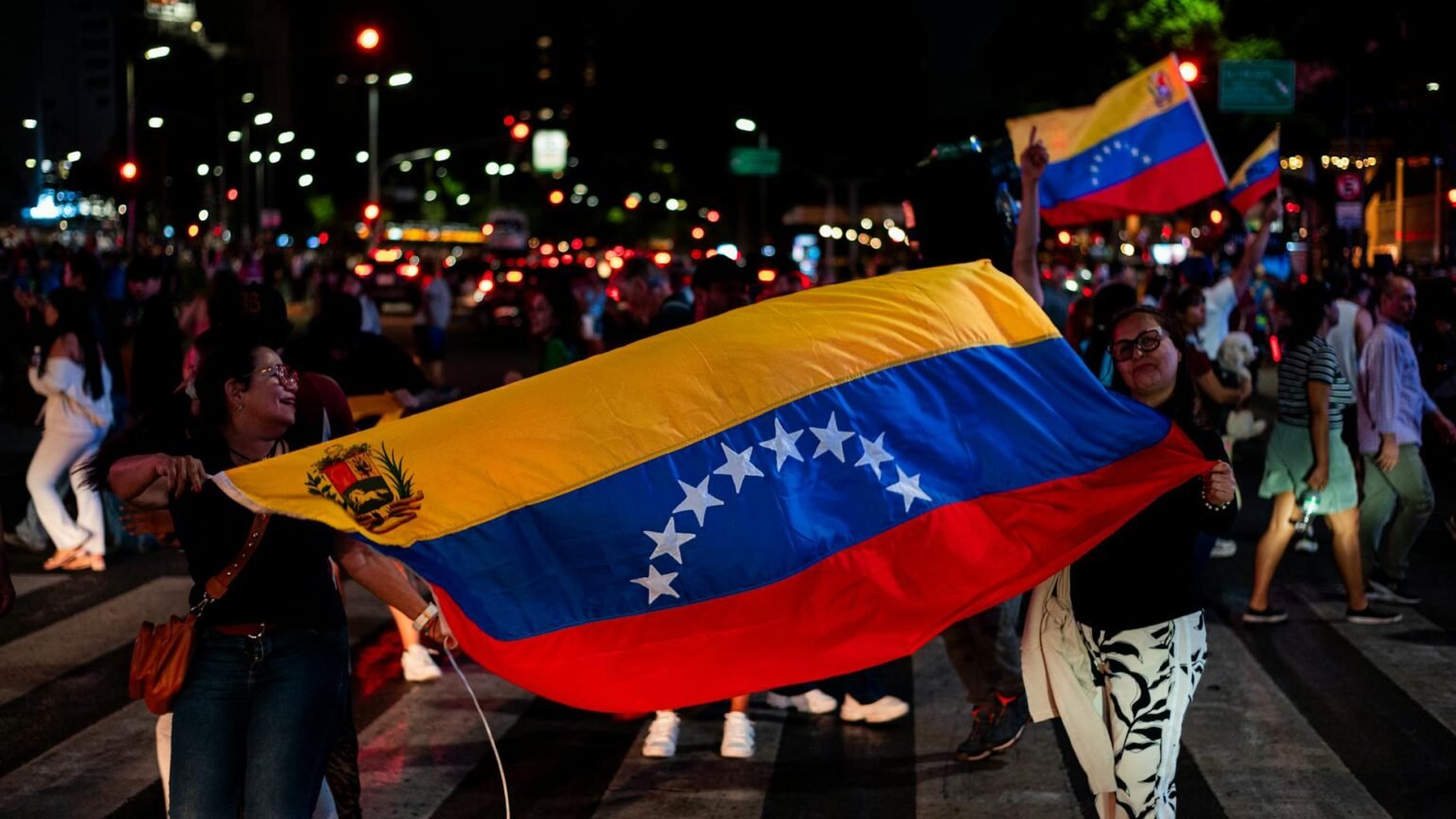
CARACAS — May 19, 2026 — Venezuela will release 300 prisoners this week under the framework of an amnesty law aimed at freeing political detainees, National Assembly Chief Jorge Rodriguez announced on Tuesday, May 19, as the interim government continues a series of reforms following the U.S. ouster of former President Nicolas Maduro in January .
Speaking at a press briefing, Rodriguez stated that the releases would take place between Tuesday, May 19, and Friday, May 22. The group includes minors, individuals over 70 years old, and those suffering from medical conditions, in addition to former police officials linked to the brief overthrow of former leftist President Hugo Chavez in April 2002 .
C. Joseph Vijay Sworn in as Chief Minister of Indian state of Tamil Nadu | South Korean Court Sentences Former President Yoon Suk Yeol to 7 Years on Appeal in Obstruction Case.
“Between yesterday and this Friday, 300 people will be released, some involved in proven crimes but (others) who are minors, over 70 years old or suffering from a medical condition,” Rodriguez said. “We are going beyond the amnesty law by carrying out a process of granting benefits to these people” .
Broader Amnesty Law and Its Impact
The amnesty law, passed in February following significant diplomatic pressure from Washington, aims to provide relief to individuals prosecuted or convicted of crimes related to political events during the past 27 years of leftist government . Rodriguez has compared the legislation to historic reconciliation efforts in South Africa and Spain .
According to rights group Foro Penal, nearly 800 people have been released from prison since January, with 186 freed under the amnesty law . However, the interior ministry reports that more than 8,000 people have benefited from the amnesty, with 314 released from prison and the rest granted full freedom after being on parole .
End of Amnesty Law Window
Acting President Delcy Rodriguez announced in April that the Amnesty Law is reaching its conclusion. Speaking from the Miraflores Palace, Rodriguez assured that remaining cases not covered by the measure would be addressed through alternative judicial mechanisms .
“This Amnesty Law is coming to an end,” Rodriguez said in a broadcast on the state-run channel VTV. “For those cases that were not covered—or, rather, were expressly excluded from the Amnesty Law—there are other avenues through which they can be addressed” .
Categories of Prisoners Released
The released prisoners include individuals from various backgrounds:
- A 16-year-old girl released on Monday, May 18
- A woman in her seventies also released on Monday, May 18
- Sixteen political prisoners accused of offenses in the oil industry released on Tuesday, May 19
- Former police officials linked to the 2002 coup attempt against Chavez
Concerns and Criticisms
Despite the releases, the amnesty measure remains a point of contention. Human rights organizations and opposition leaders have criticized the law for its limited scope, as it expressly excludes military personnel and individuals involved in armed actions or acts of violence .
The Architecture of Power: Global Political Systems, Democracy, Authoritarianism & Governance Models.
Foro Penal estimates that approximately 470 political prisoners remain in Venezuelan jails . Critics also note that the law’s implementation is being left to the same security forces, prosecutors and courts that originally persecuted and arbitrarily detained people.
“We are not asking anything of anyone,” Rodriguez said. “We simply want this gesture to be appreciated”
NASA Moon Mission Reaches Back Home: Artemis II Crew Returns to Earth After Historic Lunar Flyby.
Deadly Shooting Rampage in Southern Turkiye Leaves Six Dead, Gunman Dies by Suicide | Israeli Naval Forces Intercept Gaza-Bound Aid Flotilla, Detain Hundreds of Activists.
Nothing in this content constitutes professional advice of any kind, including legal, medical, financial, or technical advice.
Some content may be created or assisted using editorial tools and technologies; however, all material is subject to editorial review and oversight to ensure accuracy, clarity, and relevance in accordance with our publishing standards.
Images, graphics, and visual elements are used for illustrative purposes unless otherwise stated and may not always represent exact events, locations, or individuals.
For detailed information regarding our editorial standards and AI usage practices, please review our AI-Generated Content Disclosure Policy, Editorial Policy, Privacy Policy, Terms of Service, and Corrections & Updates Policy.