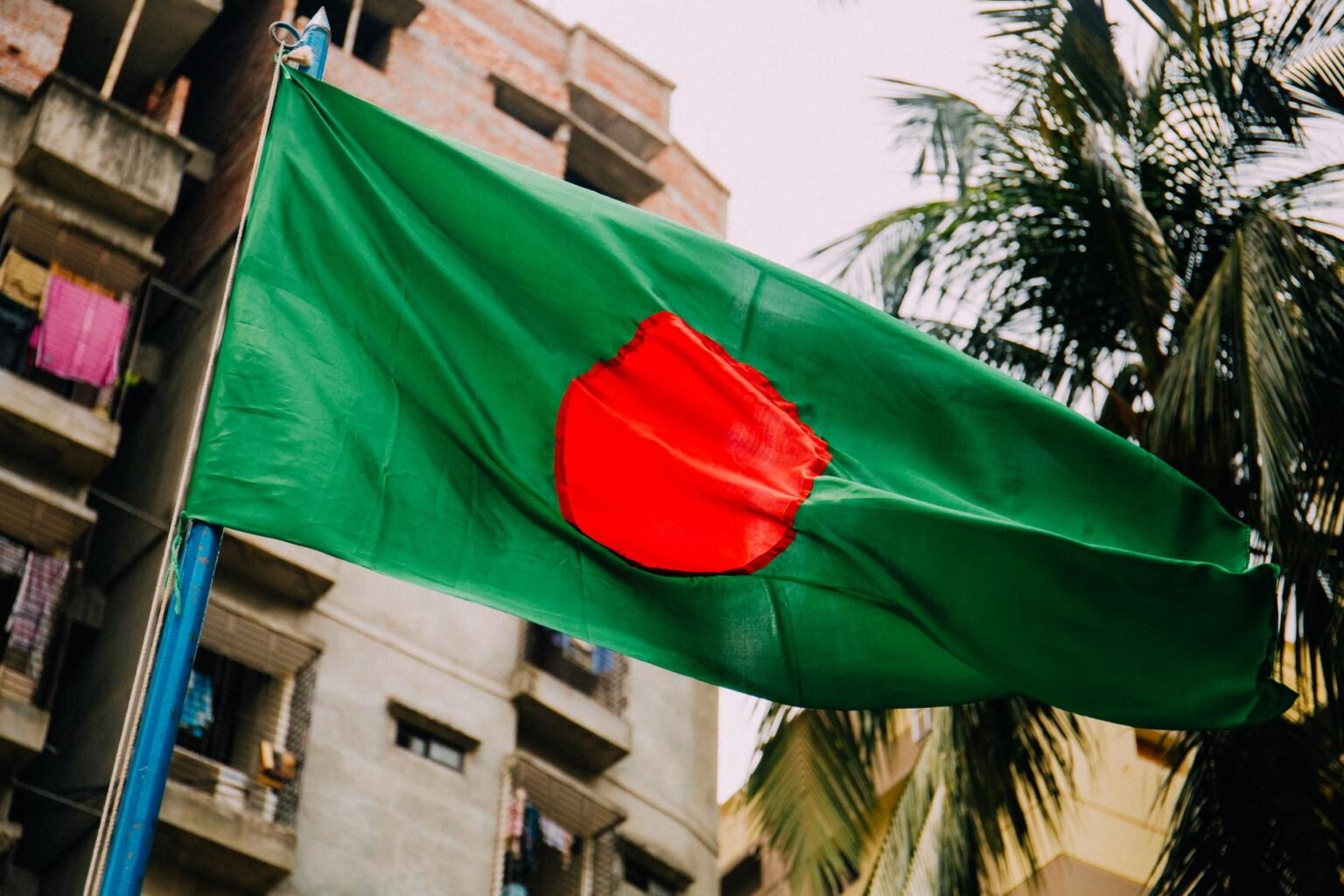
Bangladesh President Mohammed Shahabuddin Resigns Amid Political Transition and Return of Ousted PM
DHAKA — July 24, 2026 — Bangladesh President Mohammed Shahabuddin resigned on Friday, July 24, citing severe health complications, midway through his five-year term, in a move that removes the last remaining ally of ousted former Prime Minister Sheikh Hasina from high office and sets in motion a constitutional transition .
The resignation, submitted to Parliament Speaker Hafiz Uddin Ahmad on Friday afternoon, comes just days after Hasina announced her intention to return to Bangladesh from exile in India, where she has lived since fleeing in August 2024 . The former prime minister faces a death sentence in Bangladesh for her alleged role in the violent crackdown on student-led protests in July-August 2024, in which nearly 1,400 people were killed, according to UN figures .
Britain Gets New Prime Minister After Starmer Resigns Amid Party Revolt | Romanian Lawmakers Reject New Government, Deepening Political Crisis.
Health Reasons Cited for Resignation
In his resignation letter, Shahabuddin, 76, stated that he was “seriously ill” and suffering from multiple health conditions, including heart disease, high blood pressure, diabetes and kidney complications . He also cited a recent diagnosis of autonomic neuropathy, a condition that can cause temporary loss of consciousness .
“Due to the prevalence of these diseases, I am physically and mentally incapable of discharging the responsibilities of such an important constitutional post of President,” he wrote in his letter addressed to the speaker .
The speaker accepted the resignation and, under Article 54 of Bangladesh’s constitution, will serve as acting president until a new head of state is elected within 90 days .
Political Context: A Dwindling Ally Network
Shahabuddin, who was elected unopposed in 2023 as a nominee of Hasina’s Awami League party, had been one of the few remaining allies of the former prime minister to retain his position after the 2024 uprising . The Awami League has since been banned, and Hasina’s government was ousted following mass protests .
His resignation leaves Hasina without any significant institutional support in Bangladesh, as nearly all her former allies in key positions have been removed . The pressure on Shahabuddin had intensified following Hasina’s public announcement earlier this month that she and her senior party colleagues planned to return from exile around December and surrender to the courts .
Hasina’s Planned Return and Bilateral Tensions
Hasina, who has lived in India since fleeing Dhaka on August 5, 2024, told Reuters in an interview this month that she intends to return to Bangladesh before the end of the year despite the death sentence . Her spokesperson stated: “And come what may, I would like to return to my country and I wish to help my fellow countrymen. And if I go, if they arrest me, let them arrest me” .
Her planned return has strained bilateral relations between India and Bangladesh. India’s Ministry of External Affairs has stated that any extradition matter is a legal issue and will be handled accordingly . Dhaka has maintained that Hasina is a “convicted criminal” who faces instant detention upon arrival .
The Architecture of Power: Global Political Systems, Democracy, Authoritarianism & Governance Models.
Constitutional Process and Succession
With Shahabuddin’s resignation, Speaker Hafiz Uddin Ahmad assumes the role of acting president . The Election Commission has confirmed that the process to elect the country’s 23rd president will begin immediately, with the election to be held within 90 days of the resignation .
The ruling Bangladesh Nationalist Party (BNP), which holds a landslide majority in parliament, is widely expected to nominate the next president . With the BNP controlling 210 of the 350 seats in the 13th Parliament, the outcome of the presidential election is all but certain, and the party’s nominee is expected to be elected unopposed . BNP leader Tarique Rahman took office as prime minister in February following his party’s victory in the general election, marking the return of a BNP-led government after nearly two decades .
Looking Ahead
The resignation marks a symbolic end to the institutional influence of Hasina’s Awami League, which had governed Bangladesh for 15 years before the 2024 uprising . As the constitutional process unfolds, the focus now shifts to the selection of a new president and the political implications of Hasina’s planned return later this year .
ICC Removes Chief Prosecutor Karim Khan on Criminal Charges of Sexual Misconduct | India’s Gen Z ‘Cockroach’ Protests: Timeline and Present Situation.