First Round of US-Iran Talks Concludes in Switzerland as Mediators Work to Stabilize Fragile Truce
GENEVA — June 22, 2026 — The first round of high-level talks between the United States and Iran concluded in Switzerland on Sunday, June 21, as negotiators from both sides, joined by mediators from Qatar and Pakistan, held what officials described as “productive” technical discussions on implementing a landmark memorandum of understanding (MOU) aimed at ending months of regional conflict and reopening the vital Strait of Hormuz.
The meeting, hosted at the Bürgenstock resort near Lucerne, was suspended after approximately 80 minutes to allow delegations to hold internal consultations, with no immediate details released on when the next session would convene . A US diplomatic source told Axios that the parties had “productive talks on implementation of the MOU and how to make sure everyone is on the same page,” and that all components of a nuclear deal were discussed in detail .
Earthquakes Strike Indonesia and China Within 24 Hours, No Major Damage Reported | All 8 Crew Members Dead as B-52 Bomber Crashes Moments After Takeoff at Edwards Air Force Base.
High-Level Delegations and Mediation Structure
The talks brought together senior representatives from both nations in the same room for the first time since the MOU was signed electronically on June 18 . The US delegation was led by Vice President JD Vance, who arrived in Switzerland on the morning of June 21, along with Special Presidential Envoy Steve Witkoff and Jared Kushner . Vance said before departing that Washington was focused on making progress on Iran’s nuclear program and consolidating the ceasefire in Lebanon, describing both as priorities for the current phase of negotiations .
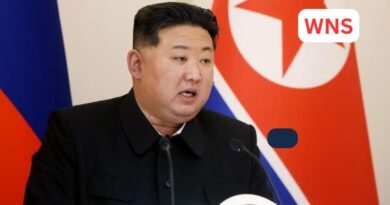
The Iranian delegation was headed by Parliament Speaker Mohammad Bagher Ghalibaf, who also leads Tehran’s negotiating team, and included Foreign Minister Abbas Araghchi, Supreme National Security Council official Ali Baqeri, Central Bank Governor Abdolnaser Hemmati, National Iranian Oil Company CEO Hamid Bovard, and other senior officials . The Iranian delegation arrived in Zurich on the evening of June 20 .
Mediators from Qatar and Pakistan participated in the quadrilateral discussions, with the meeting featuring bilateral consultations in the morning followed by four-party talks . Iranian Foreign Ministry spokesperson Esmaeil Baqaei noted that representatives of all four participating countries convened in the same room during this round, marking a significant step in the diplomatic process .
Key Issues on the Table
Nuclear Program and Verification: According to Axios, the US sought to secure an invitation for UN inspectors to visit Iranian nuclear facilities that had been targeted in earlier US and Israeli strikes . While Iran’s foreign ministry spokesman denied that Tehran had already invited the International Atomic Energy Agency (IAEA) to inspect its nuclear facilities, he confirmed that under the MOU, Iran will maintain its current nuclear status quo, limiting IAEA inspections to facilities like the Bushehr Nuclear Power Plant . Iranian officials emphasized that access to sites previously denied due to US and Israeli attacks will hinge on the negotiation process and its outcome .
Ceasefire in Lebanon: Tehran has made clear that the cessation of hostilities on all fronts, particularly in Lebanon, is a central component of the ongoing negotiations and a prerequisite for advancing toward a final agreement . Iran’s foreign ministry spokesperson noted that continued Israeli violations of ceasefire-related commitments in Lebanon have yet to be fully addressed . Israeli troops and Hezbollah fighters resumed clashes on June 20, accusing each other of violating the truce .
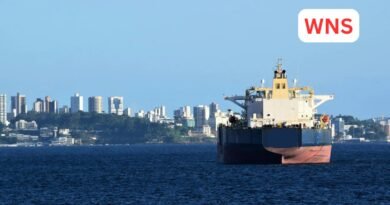
Strait of Hormuz and Maritime Security: The reopening of the Strait of Hormuz, a vital waterway for oil and gas shipments that was blockaded for much of the war, remains a cornerstone of the agreement . However, following Israel’s attacks on Lebanon, Iran announced the Strait would once again be closed to all ships . The US has stated that safe passage through the international waterway remains maintained and that US forces are present to monitor the situation . President Trump warned on Truth Social that the US could impose its own fees on passage through the Strait if negotiators do not finalize an agreement .
Frozen Assets: Reports indicated that Washington is reportedly mulling the release of six billion dollars — the first tranche of Iran’s frozen funds from an account held in Qatar — in exchange for nuclear concessions, though officials stressed the funds would be directed toward humanitarian purchases . The release of Iranian frozen assets abroad and authorizations to facilitate Iranian oil exports were among the provisions requiring practical implementation measures .
Modern World Order Explained: Power, Alliances & Global Systems.
A 60-Day Negotiating Window
The MOU, signed electronically on June 18, outlines the broad principles of a final agreement, with the finer details to be negotiated over the next 60 days . The timeline is considered ambitious, given that the 2015 Joint Comprehensive Plan of Action (JCPOA) was the culmination of more than ten years of diplomatic efforts .
Under Paragraph 13 of the agreement, negotiations toward a final settlement can only begin after five key commitments are fulfilled, including the first provision calling for a cessation of hostilities on all fronts, particularly in Lebanon . Iran has maintained that entering into the 60-day negotiating period is conditional upon the fulfillment of these commitments by the United States .
SOURCES / INPUTS
3 TASS: US, Iran discuss nuclear file in detail during talks in Switzerland — media
4 SANA: United States and Iran set for new round of talks in Geneva amid regional tensions
5 Tehran Times: Iran seeking lasting and guaranteed US compliance in Geneva talks
Honey vs Sugar: Which Sweetener Is Actually Better for Your Health?.
Global Markets and Oil Prices: April 8, 2026 – Crude Plunges as US-Iran Ceasefire Sparks Relief Rally | Global Markets Rebound as US-Iran Ceasefire Hopes Drive Oil Below $100, Gold Surges.