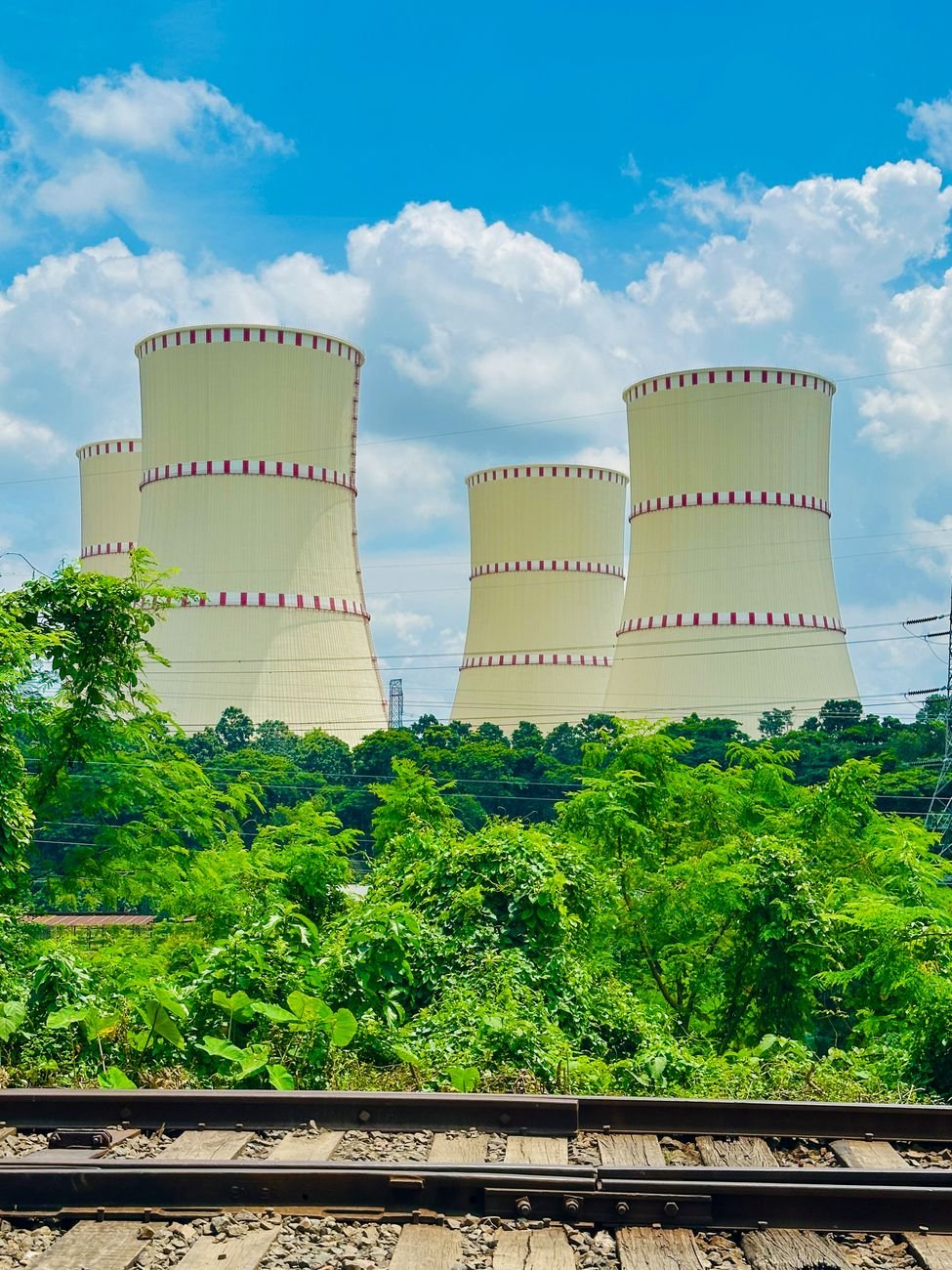
Hungary Closes Paks Nuclear Plant for First Time in 44 Years Amid Record-Low Danube Levels
BUDAPEST — August 1, 2026 — Hungary will completely shut down its sole nuclear power plant, the Paks facility, on Sunday, August 2, for the first time in its 44-year history due to record-low water levels in the Danube River, Prime Minister Peter Magyar announced on Saturday .
The closure of the plant, which generates nearly half of Hungary’s electricity, marks an unprecedented step in the country’s energy history . Water from the Danube is used to cool the facility’s four Russian-made reactors, and the fall in water levels amid a severe drought and extreme heatwave has made safe operation impossible .
Spain Declares First-Ever National Emergency Over Wildfires as Thousands Evacuate | Extreme Heatwave Scorches Europe, Triggers Blackouts and Health Alerts.
Reactors to be Powered Down Gradually
The plant, which operates four reactors with a total capacity of approximately 2,000 megawatts, has been progressively scaling back operations over the past week. One reactor unit was shut down earlier due to the falling water levels, and power output at other units was reduced .
On Friday, the plant was operating at less than 50% of its capacity, generating about 965 megawatts . The final step in the shutdown process will take place on Sunday morning, when the last operating unit is powered down .
“The second-to-last power unit at the Paks NPP will be shut down at 1:30 a.m. on August 2,” Magyar wrote on Facebook. “Consequently, the plant’s capacity will drop to 240 megawatts, and [this] morning, for the first time in 44 years, it will be completely halted” .
Energy Crisis Looms
The shutdown comes as Hungary faces a potential energy crisis . The Danube’s water levels have plummeted to historically low levels along its entire length, affecting navigation, tourism, and power generation across Central Europe, including in Romania and Serbia .
The situation has been compounded by a technical failure at the Dunamenti gas-fired power plant, Hungary’s second-largest generating facility, which temporarily shut down earlier in the week, removing approximately 400 megawatts from the grid .
Magyar has warned that the shutdown could last for weeks, as Danube water levels are expected to remain too low for safe operation for the foreseeable future . “The reactors can be restarted once water levels recover sufficiently for safe operation, but this is not expected to happen in the next weeks,” he said .
Emergency Measures and Conservation Efforts
While Hungary’s cross-border interconnection system is capable of importing 3,600 to 3,800 megawatts of electricity, a heatwave is expected to push up demand by 20% during evening peak hours, potentially creating a critical situation .
Climate Change Explained: Science, Global Policy, Economic Impact & Sustainability Strategy.
The government has begun developing contingency plans and has urged energy-intensive businesses to voluntarily reduce electricity consumption, especially during peak hours from 5 p.m. to 10 p.m. . MOL Energy Group has already committed to reducing its electricity consumption by about 40% .
Magyar has also proposed postponing parliamentary sessions scheduled for August 4 and 5 to save electricity and requested that all government agencies switch off decorative lighting to help reduce pressure on the national power grid .
Despite the measures, the prime minister has stressed that the shutdown will be carried out safely and will not pose a risk to the public or the environment.
Spain Claims Second World Cup Title with Extra-Time Victory Over Argentina.
Global Markets and Oil Prices: April 8, 2026 – Crude Plunges as US-Iran Ceasefire Sparks Relief Rally | Global Markets Rebound as US-Iran Ceasefire Hopes Drive Oil Below $100, Gold Surges.