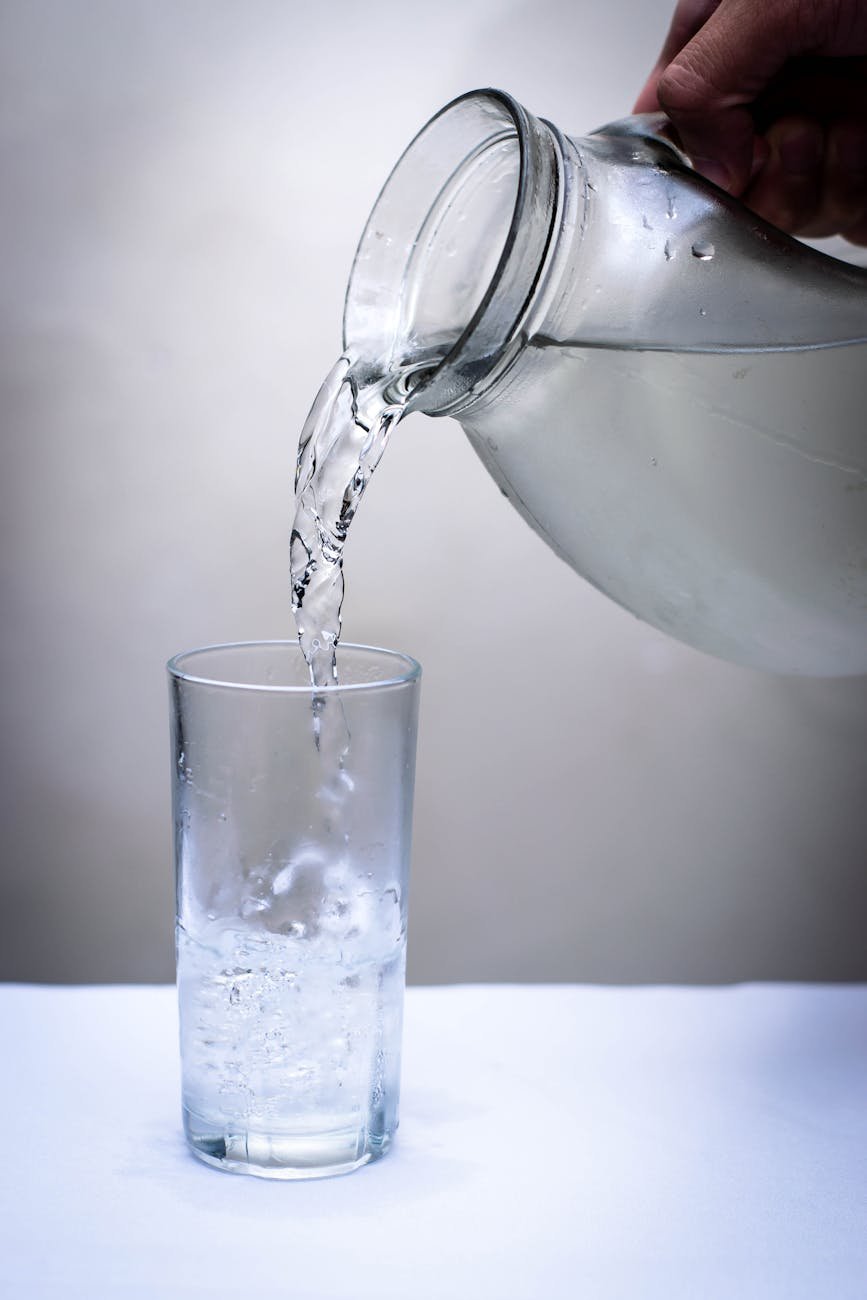
Why Hydration Is More Important Than You Think for Your Health
Water is one of the most basic elements of life, yet it is often overlooked when people think about improving their health. While diets, supplements, and exercise routines get a lot of attention, proper hydration is just as critical—if not more.
Health experts consistently emphasize the importance of Hydration because nearly every function in the human body depends on adequate fluid levels.
Tisza Party Wins Hungarian Election in Landslide, Ending Orbán’s 16-Year Rule.
From energy and brain function to digestion and temperature regulation, hydration plays a central role in keeping your body functioning properly.
So why is hydration so important—and what happens when you don’t get enough water?
US Announces Strait of Hormuz Naval Blockade as Global Powers Warn of Economic Fallout | Australia Appoints First Female Army Chief in 125-Year History.
Your Body Is Mostly Water
The human body is made up of about 60% water.
This water is essential for:
- transporting nutrients
- regulating temperature
- maintaining cell function
Every system in the body relies on water to operate efficiently.
Even slight dehydration can disrupt normal bodily processes.
Your Energy Levels Depend on Hydration
One of the first signs of dehydration is fatigue.
When your body lacks sufficient water, it has to work harder to perform basic functions.
This can lead to:
- low energy
- reduced stamina
- increased tiredness
Staying hydrated helps maintain consistent energy levels throughout the day.
Your Brain Function Is Affected
Hydration has a direct impact on cognitive performance.
Even mild dehydration can affect:
- focus
- memory
- mood
Drinking enough water helps support mental clarity and concentration.
This is especially important during work, study, or tasks that require attention.
Your Digestion Works Better
Water plays a key role in digestion.
It helps break down food and allows nutrients to be absorbed more efficiently.
Proper hydration also supports:
- smooth bowel movements
- reduced constipation
- overall gut health
Without enough water, digestion can become sluggish.
Your Body Regulates Temperature More Efficiently
Water helps regulate body temperature through sweating.
When you are hydrated, your body can cool itself more effectively during physical activity or hot weather.
Dehydration can make it harder for the body to maintain a stable temperature.
Your Skin Reflects Your Hydration Levels
Hydration plays a role in maintaining healthy skin.
While drinking water alone won’t solve all skin issues, proper hydration can help:
- improve skin elasticity
- reduce dryness
- support overall appearance
Dehydrated skin may appear dull and less vibrant.
Your Kidneys Function Properly
The kidneys rely on water to filter waste from the blood and produce urine.
Adequate hydration helps:
- remove toxins
- maintain fluid balance
- support kidney health
Chronic dehydration can put stress on the kidneys over time.
Your Physical Performance Improves
Hydration is essential for physical activity.
Water helps maintain muscle function and prevents fatigue during exercise.
Even small levels of dehydration can affect performance and endurance.
Staying hydrated supports better physical output.
You May Avoid Unnecessary Hunger
Sometimes the body confuses thirst with hunger.
This can lead to unnecessary snacking when what you actually need is water.
Drinking enough water can help:
- control appetite
- reduce overeating
- support weight management
How Much Water Do You Really Need?
Hydration needs vary depending on:
- age
- activity level
- climate
A common guideline is around 6–8 glasses per day, but individual needs may differ.
Listening to your body and drinking when you feel thirsty is important.
Signs You May Be Dehydrated
Common signs of dehydration include:
- dry mouth
- fatigue
- dark-colored urine
- headaches
Recognizing these signs early can help you take action before dehydration becomes more serious.
The Bottom Line: Hydration Is the Foundation of Health
Hydration is one of the simplest yet most powerful ways to support your health.
From improving energy and brain function to supporting digestion and physical performance, water plays a vital role in daily life.
Despite its importance, it is often overlooked.
Making a conscious effort to stay hydrated can have a significant impact on how you feel and function every day.
In the end, before focusing on complex health strategies, it’s worth asking a simple question—are you drinking enough water?
Global Public Health Systems: Policy, Pandemics & Welfare.
What Happens When You Drink Lemon Water Every Day | White Salt vs Pink Salt: Which Is Actually Better for Your Health?.