Keiko Fujimori is Peru’s new President Following Narrow Election Victory
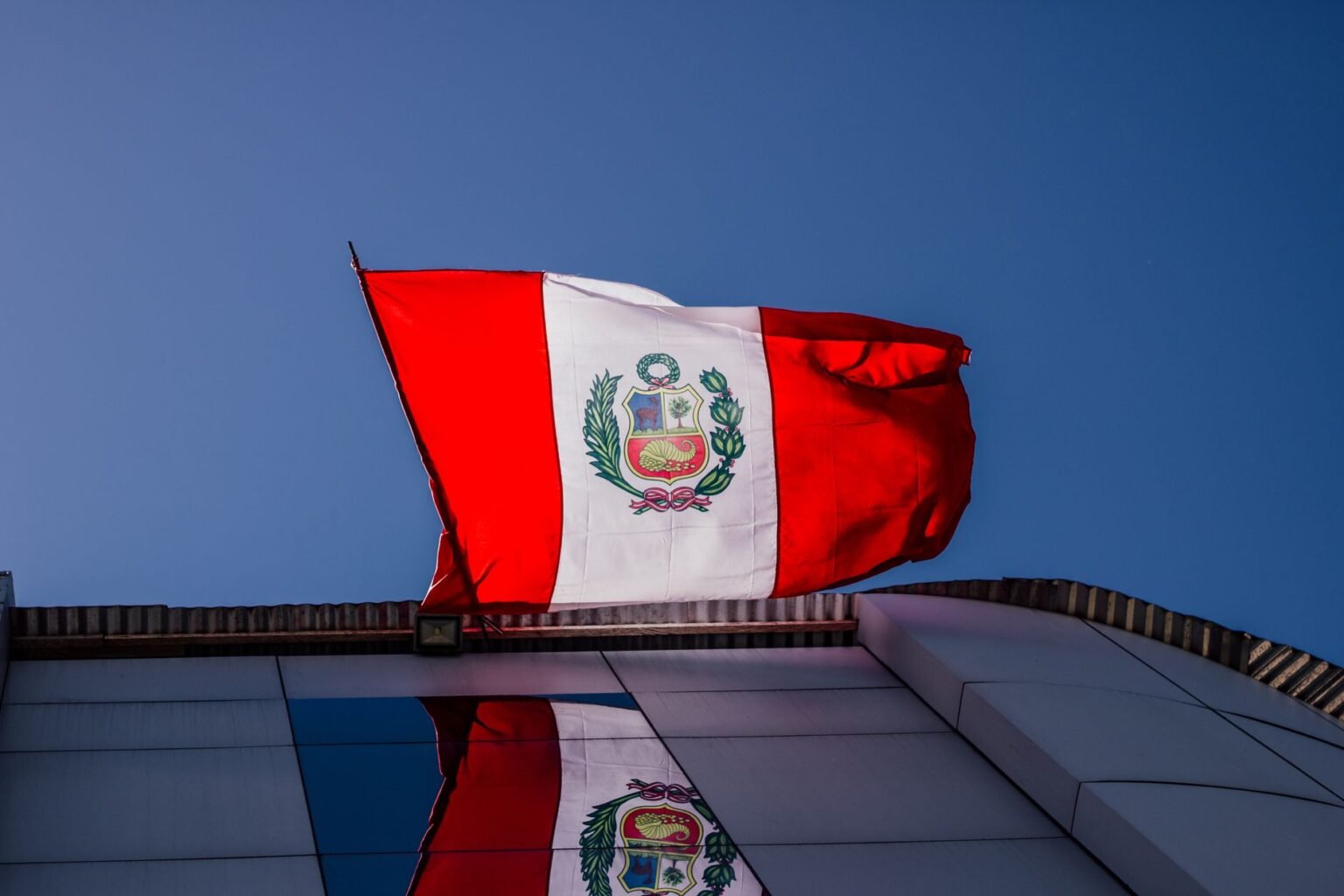
LIMA, Peru — July 28, 2026 — Conservative leader Keiko Fujimori was sworn in as Peru’s president on Tuesday, July 28, after winning the June presidential runoff by a margin of fewer than 50,000 votes, becoming the country’s first democratically elected female head of state .
The 51-year-old daughter of former President Alberto Fujimori takes office as Peru’s tenth president in a decade, inheriting a nation grappling with a severe security crisis, political polarization, and economic inequality . Her inauguration marks the return of one of Peru’s most influential and polarizing political dynasties, capping a political comeback after four unsuccessful presidential bids .
Bangladesh President Mohammed Shahabuddin Resigns Amid Political Transition and Return of Ousted PM | Britain Gets New Prime Minister After Starmer Resigns Amid Party Revolt.
A Narrow Victory and Polarized Nation
Fujimori’s Popular Force party secured the presidency after a closely contested runoff against left-wing congressman Roberto Sanchez, an ally of former President Pedro Castillo . Sanchez challenged the election results, alleging irregularities in vote counting at Peruvian consulates abroad, but electoral authorities dismissed his complaints .
The election exposed deep regional divisions. Fujimori was widely backed by voters in Lima and along the Pacific coast, while voters in the Andean highlands, where there is a larger Indigenous population, overwhelmingly supported Sanchez . Opposition lawmakers staged a walkout during her inauguration, dressed in black and wearing mourning ribbons while holding images of victims killed during her father’s government .
Hardline Security Agenda
In her inaugural address, Fujimori declared a “war” on criminal organizations, drug traffickers, and illegal mining operations . She announced that the armed forces would temporarily lead security operations in crime-afflicted areas during states of emergency .
“During states of emergency, the Armed Forces will temporarily take the lead in security operations and maintaining public order, in close coordination with the National Police,” she said . “Wherever organized crime, drug trafficking and illegal mining have wrested control from the state, we will make use of all the tools that the Constitution makes available to the government” .
Fujimori campaigned on an “iron fist” approach to crime, pledging to implement policies modeled after Salvadoran President Nayib Bukele, including building a megaprison similar to El Salvador’s Cecot penitentiary . She also promised to implement reforms enabling judges to hide their identities during criminal trials to guarantee their safety .
Economic and Social Policies
Fujimori announced a 15% increase in the national minimum wage, raising it from 1,130 soles ($332) to 1,300 soles ($382) per month . She also pledged to reorganize social services to fight malnutrition in rural communities and focus on preparing the nation for the latest onset of El Niño, a weather pattern that often leads to flooding along Peru’s coast .
“My goal is not only to administer the state,” Fujimori said. “My main objective is to narrow the enormous social deficit that affects millions of Peruvians” .
The Architecture of Power: Global Political Systems, Democracy, Authoritarianism & Governance Models.
Cabinet Appointments and Congressional Dynamics
On Monday, Fujimori named former central bank board member Elmer Cuba as economy minister and Carlos Espa, a former presidential candidate who also worked for the U.S. Embassy in Lima, as foreign minister .
Fujimori’s Popular Force party and its main ally, Popular Renovation, will hold half the Senate seats in the new bicameral legislature, making it harder for opposing legislators to attempt to remove her as president . Opposition leaders won leadership of the lower house, the Chamber of Deputies . Maintaining legislative support could prove challenging .
International Dignitaries and Regional Shift
The inauguration drew high-profile international dignitaries including King Felipe VI of Spain and regional presidents Daniel Noboa of Ecuador, Jose Antonio Kast of Chile, Javier Milei of Argentina, and Rodrigo Paz of Bolivia .
Fujimori’s election extends a broader rightward shift across Latin America, with voters frustrated by crime, weak economic growth, and political instability increasingly turning to conservative leaders . Fujimori has expressed interest in deepening ties with the Trump administration and participating in the “Shield of the Americas” initiative to combat transnational crime .
EU’s Entry/Exit System Fully Operational Across Schengen Area, Transforming Border Management.
Iraq Warns It Could Leave OPEC if Production Quota Is Not Raised | Pakistan Fully Repays $3.45 Billion Loan to UAE as Saudi Support Averts Crisis.