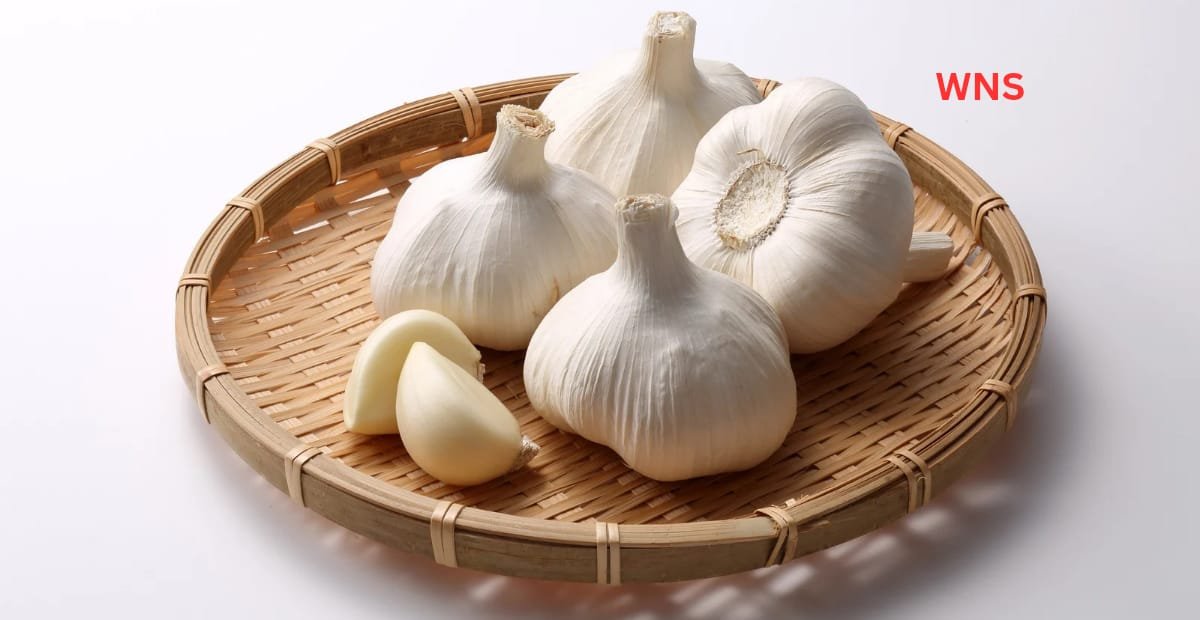
10 Evidence-Based Health Benefits of Garlic That Make It One of Nature’s Most Powerful Foods
Garlic has been used for thousands of years, not only as a flavorful ingredient in cooking but also as a natural remedy in traditional medicine. Today, modern science is increasingly confirming what ancient cultures long believed—garlic offers a wide range of health benefits.
Nutrition experts often recommend incorporating Garlic into daily meals because it contains powerful bioactive compounds that support heart health, immunity, and overall wellness. The most important of these compounds is allicin, which is released when garlic is crushed or chopped.
Nepal Arrests Former Prime Minister KP Sharma Oli Over Deadly 2025 Protest Crackdown.
From reducing inflammation to supporting cardiovascular health, garlic continues to stand out as one of the most beneficial natural foods available.
Here are 10 evidence-based health benefits of garlic that explain why it is considered a true superfood.
Kuwait Says Airport Fuel Tanks Ablaze After Iran Drone Attack, Summons Ambassador Australian Prime Minister Anthony Albanese Calls for Clarity from Trump on Objectives of Iran War.
1. Contains Powerful Medicinal Compounds Like Allicin
One of the main reasons garlic is so beneficial is its unique combination of bioactive compounds.
When garlic is crushed or chopped, it produces allicin, a sulfur-containing compound responsible for many of its health benefits.
Allicin has been studied for its antibacterial, antiviral, and anti-inflammatory properties.
These compounds make garlic more than just a cooking ingredient—it becomes a functional food with potential therapeutic effects.
2. Supports a Strong Immune System
Garlic is widely known for its immune-boosting properties.
The compounds found in garlic may help enhance the activity of immune cells, improving the body’s ability to fight infections.
Some studies suggest that regular garlic consumption may help reduce the severity and duration of common illnesses.
Because of this, garlic is often included in diets aimed at strengthening immune defenses.
3. May Help Lower Blood Pressure Naturally
High blood pressure is a major risk factor for heart disease.
Research suggests that garlic may help reduce blood pressure levels, particularly in individuals with hypertension.
The compounds in garlic may help relax blood vessels and improve circulation, contributing to healthier blood pressure levels.
While garlic should not replace medical treatment, it may serve as a helpful addition to heart-healthy diets.
4. Supports Heart Health and Cholesterol Balance
Garlic plays an important role in supporting cardiovascular health.
Studies have shown that garlic may help reduce levels of LDL cholesterol (bad cholesterol) while maintaining or slightly increasing HDL cholesterol (good cholesterol).
This balance is important for reducing the risk of heart disease.
In addition, garlic’s anti-inflammatory properties may help protect blood vessels from damage.
5. Rich in Antioxidants That Protect Cells
Garlic contains antioxidants that help protect the body from oxidative stress.
Oxidative stress occurs when free radicals damage cells, contributing to aging and chronic disease.
The antioxidants in garlic help neutralize these harmful molecules and support overall cellular health.
A diet rich in antioxidant-containing foods is associated with better long-term health.
6. May Help Reduce Inflammation in the Body
Chronic inflammation is linked to many serious health conditions.
Garlic contains compounds that may help regulate inflammatory responses in the body.
By reducing inflammation, garlic may contribute to improved overall health and reduced risk of chronic disease.
Nutrition experts often recommend including anti-inflammatory foods like garlic in daily meals.
7. May Support Brain Health and Cognitive Function
The antioxidants in garlic may also benefit brain health.
Oxidative stress and inflammation are believed to play a role in age-related cognitive decline.
By reducing these factors, garlic may help protect brain cells and support cognitive function.
Although more research is needed, garlic shows potential as part of a brain-supportive diet.
8. May Help Improve Physical Performance
Historically, garlic was used to reduce fatigue and improve physical performance.
Some studies suggest that garlic may help improve exercise capacity by supporting heart and lung function.
While research in this area is still developing, garlic’s potential to improve endurance has been noted in both traditional and modern contexts.
9. Supports Detoxification Processes
Garlic contains sulfur compounds that may help support the body’s natural detoxification processes.
These compounds assist the liver in eliminating harmful substances from the body.
Supporting detoxification is important for maintaining overall health and protecting organs from damage.
Including garlic in the diet may help support these natural processes.
10. Easy to Add to Everyday Cooking
One of the biggest advantages of garlic is how easy it is to include in daily meals.
It can be used in:
- soups
- curries
- stir-fries
- sauces
- roasted dishes
Garlic enhances flavor while also adding nutritional value, making it one of the most versatile ingredients in cooking.
Why Garlic Is Considered a Superfood
Garlic stands out because it offers a unique combination of flavor and health benefits.
Its bioactive compounds, antioxidant properties, and potential effects on heart health and immunity make it one of the most valuable foods in modern nutrition.
Nutrition experts emphasize that garlic works best as part of a balanced diet rich in whole foods.
A Simple Ingredient With Powerful Effects
Healthy eating often begins with small changes.
Adding garlic to meals is a simple and effective way to improve both flavor and nutrition.
Whether used fresh, cooked, or as part of traditional dishes, garlic provides a natural way to support overall health.
With its long history and growing scientific support, garlic continues to be recognized as one of nature’s most powerful foods.
Global Public Health Systems: Policy, Pandemics & Welfare.
Brown Rice vs White Rice: Which Is Actually Healthier?, What Happens to Your Body When You Stop Eating Sugar for 30 Days.