Cuba Faces Third Nationwide Blackout in March as Power Grid Collapses Amid Fuel Crisis
Aging infrastructure and US oil blockade blamed as authorities scramble to restore electricity to 10 million residents
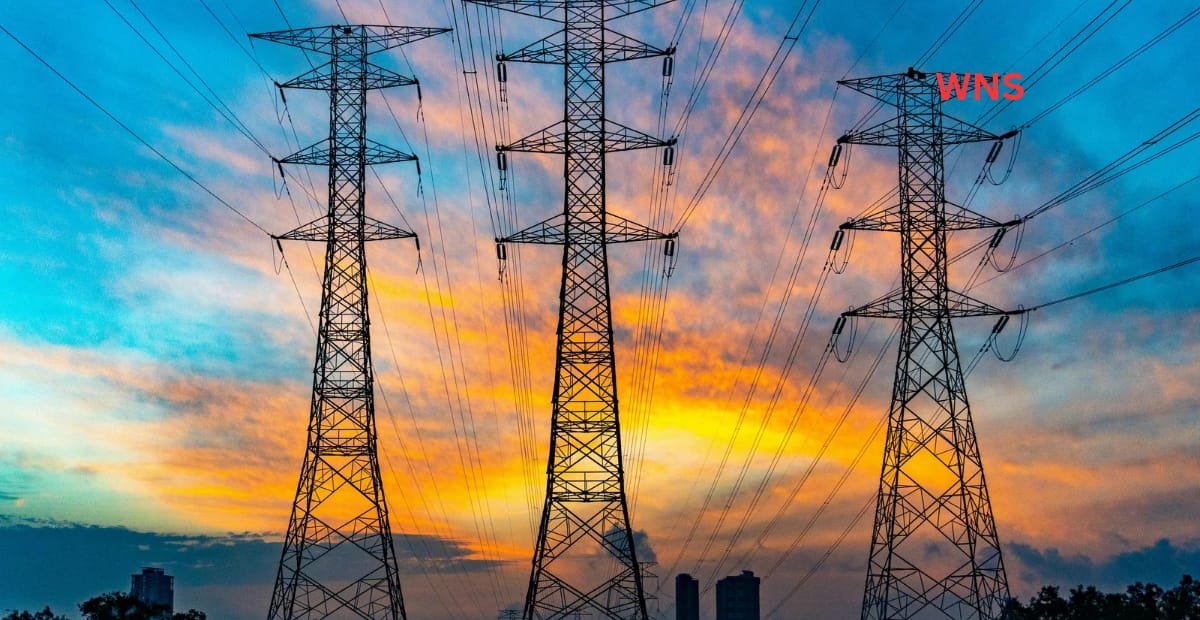
HAVANA — March 22, 2026 — Cuba’s national electric grid collapsed on Saturday, plunging the entire island into darkness for the third time this month as the government struggles to maintain power generation with aging infrastructure and no foreign oil imports for nearly three months.
The state-owned Cuban Electric Union (UNE) reported a “total disconnection” of the National Electric System at 6:32 p.m. local time (2232 GMT) on Saturday, according to the Ministry of Energy and Mines . Officials said the outage was triggered by an unexpected failure of a generating unit at the Nuevitas thermoelectric plant in Camaguey province, causing a cascading effect that brought down the entire grid .
Nepal Arrests Former Prime Minister KP Sharma Oli Over Deadly 2025 Protest Crackdown.
Restoration protocols were activated immediately, with authorities prioritizing power to critical facilities including hospitals and water treatment plants using smaller, closed-circuit microsystems . By early Sunday, the energy ministry reported that microsystems were operational in all territories, with gas-fired power plants running in Varadero and Boca de Jaruco .
Repeated Blackouts Strain Daily Life
Saturday’s blackout marks the third major power outage this month, following a system failure on March 4 and a nationwide collapse on March 16 . For residents, the recurring outages have become an exhausting ordeal.
Afghanistan: History, Geography and Culture Shaping a Nation at the Crossroads of Asia At least 56 cultural properties damaged across multiple provinces, including several UNESCO World Heritage sites, as war enters third week.
As night fell on Havana, streets were mostly pitch black, with residents navigating using phone lights and flashlights. Some restaurants in the tourist district remained open using generators, but the regular blackouts have profoundly disrupted daily life across the island of approximately 10 million people .
US Oil Blockade Deepens Energy Crisis
Cuban officials have squarely blamed the United States for exacerbating the energy crisis. President Miguel Diaz-Canel revealed last week that the island has not received oil from foreign suppliers for three months—a direct consequence of the US oil blockade imposed after the January capture of Venezuelan President Nicolás Maduro, Cuba’s main regional ally and oil supplier .
No oil has been imported to the island since January 9, crippling the power sector while also forcing airlines to curtail flights to Cuba, dealing a significant blow to the tourism-dependent economy .
The United States has maintained a strict trade embargo on Cuba since 1962. In February, President Donald Trump signed an executive order imposing trade tariffs on countries exporting oil to Havana, further tightening restrictions . The administration has demanded that Cuba release political prisoners and move toward political and economic liberalization in exchange for sanctions relief .
Cuba produces barely 40 percent of the fuel it needs to power its economy, leaving it heavily dependent on foreign imports .
Aging Infrastructure Adds to Woes
Cuba’s electricity generation is sustained by a network of eight aging thermoelectric plants—some in operation for over 40 years—that suffer frequent breakdowns or require extended maintenance cycles . Even in normal times, Cubans face daily blackouts of up to 15 hours in Havana, with outages exceeding 40 hours in some interior provinces .
The recurring outages have sparked rare public dissent. Last weekend, demonstrators in the central town of Morón attacked and set fire to the Communist Party headquarters—an unauthorized protest in a country where such demonstrations are illegal and can result in imprisonment .
International Aid and Diplomatic Overtures
An international aid convoy began arriving in Havana this week, bringing medical supplies, food, water, and solar panels to help alleviate the humanitarian impact of the crisis . Meanwhile, maritime trackers have reported that two tankers carrying Russian oil and diesel appear to be heading toward Cuba, though their status remains unclear .
Despite the tensions, Cuba has signaled openness to dialogue with Washington. Deputy Foreign Minister Carlos Fernandez de Cossio insisted Friday that “the political system of Cuba is not up for negotiation,” though he confirmed that initial bilateral talks have taken place .
Restoration Underway
As of Sunday morning, state utility Union Electrica reported that microsystems were operational across all territories, with gradual restoration continuing . However, experts warn that without significant investment in infrastructure and reliable fuel supplies, Cuba’s power grid remains vulnerable to further collapses.
SOURCES / INPUTS
BBC News: Cuba suffers third nationwide blackout in March amid fuel crisis
BERNAMA (Malaysian National News Agency): CUBA HIT BY 2ND NATIONWIDE BLACKOUT IN A WEEK
Modern World Order Explained: Power, Alliances & Global Systems.
Kuwait Says Airport Fuel Tanks Ablaze After Iran Drone Attack, Summons Ambassador, Australian Prime Minister Anthony Albanese Calls for Clarity from Trump on Objectives of Iran War.