Netanyahu Faces Potential Arrest in Hungary as Incoming PM Vows to Uphold ICC Warrant
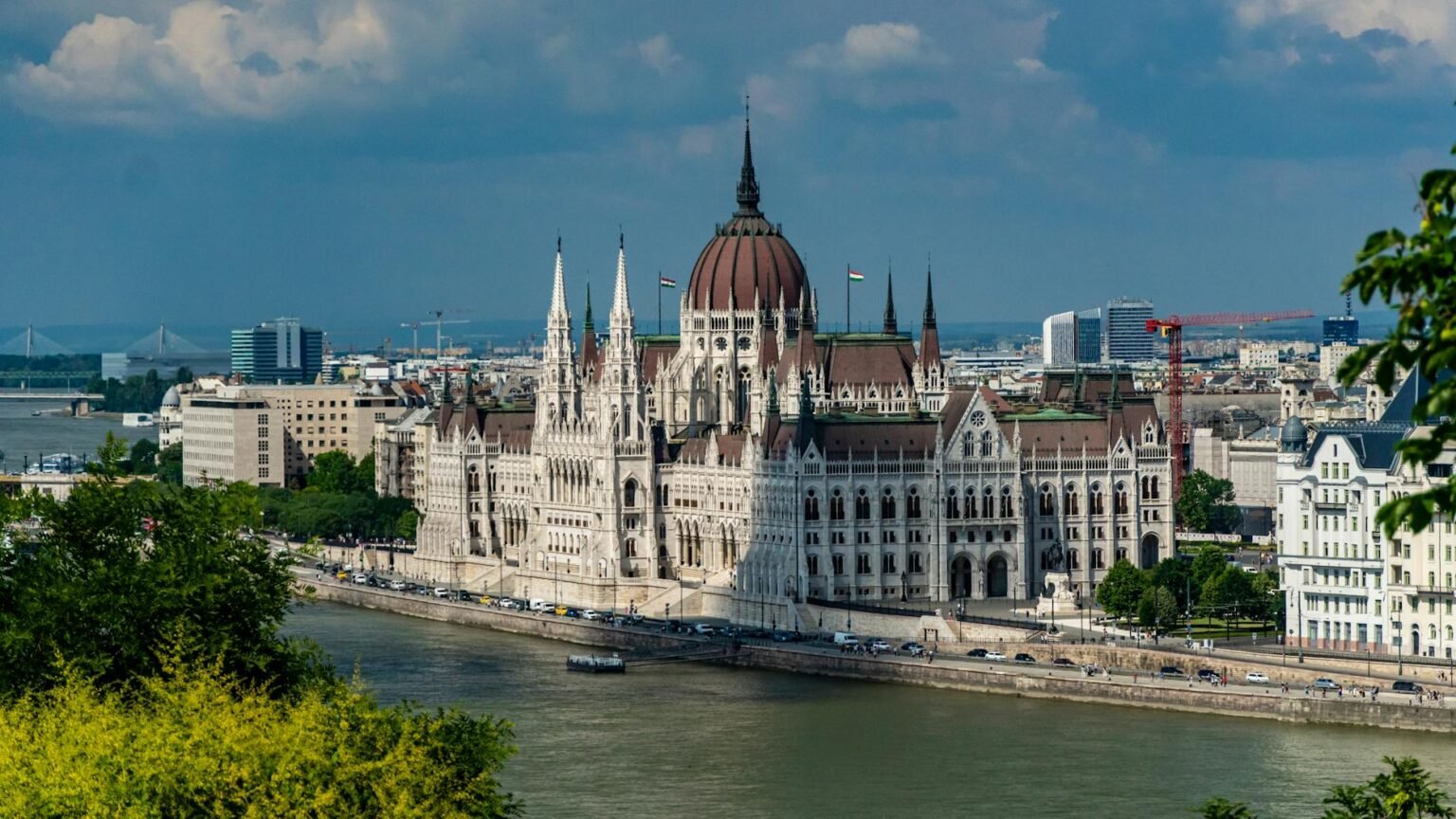
BUDAPEST — April 22, 2026 — Israeli Prime Minister Benjamin Netanyahu could be arrested if he sets foot in Hungary later this year, incoming Hungarian Prime Minister Péter Magyar has declared, signaling a dramatic reversal of Budapest’s diplomatic stance and a firm commitment to enforce International Criminal Court (ICC) arrest warrants.
Speaking to reporters following his landslide election victory, Magyar stated that his government would comply with its international legal obligations, which require the detention of any individual subject to an ICC warrant on Hungarian soil. Netanyahu has been under such a warrant since November 2024 over alleged war crimes and crimes against humanity in Gaza .
Sakurajima Volcano Erupts in Southern Japan, Sending Ash 3.4 km High.
“If a country is a member of the ICC and a person who is wanted by the ICC enters our territory, then that person must be taken into custody,” Magyar said . He added that he had made this position clear to the Israeli leader directly .
Reversing Orban’s ICC Withdrawal
The statement marks a decisive break with the policies of outgoing Prime Minister Viktor Orban, a staunch ally of Netanyahu. When Netanyahu visited Budapest in April 2025, Orban not only refused to arrest him but also announced Hungary’s immediate withdrawal from the ICC, calling the court “politically biased” .
Trump Extends Iran Ceasefire Indefinitely at Pakistan’s Request, Maintains Naval Blockade | US Navy Seizes Iranian-Flagged Ship Trying to Evade Strait of Hormuz Blockade.
While Hungary formally notified the UN of its withdrawal in June 2025, the process takes one year to take effect. Under the Rome Statute, Hungary remains a full member of the ICC until June 2, 2026, and is legally obligated to comply with court orders during this transition period . The ICC formally referred Hungary’s non-compliance over the 2025 visit to the Assembly of States Parties .
Magyar has now confirmed that his incoming administration will halt the withdrawal process, ensuring Hungary remains within the ICC’s jurisdiction .
Diplomatic Implications
Netanyahu has already accepted an invitation to attend commemorations for the 70th anniversary of the 1956 Hungarian Uprising in October . While Magyar extended that invitation before clarifying his legal stance, he has stated that legal obligations will take precedence over diplomatic protocol .
The shift places Hungary in closer alignment with European Union positions on international law, potentially easing tensions between Budapest and Brussels. Several other nations, including France and Germany, have previously argued that diplomatic immunity could shield Netanyahu from arrest, citing Article 98 of the ICC statute, which protects individuals with diplomatic immunity .
Netanyahu’s Response
Netanyahu’s office has not yet issued an official response to Magyar’s statements. During his 2025 visit to Budapest, Netanyahu praised Orban for standing “against the wave of anti-Semitism” he claimed motivated the ICC charges . The Israeli leader has consistently denied the allegations, calling the arrest warrant “absurd and false” .
As of Wednesday, April 22, diplomatic sources suggest Netanyahu may reconsider his travel plans to Hungary, though no official cancellation has been announced .
SOURCES / INPUTS
POLITICO Europe: Hungary must arrest Netanyahu if he visits, Magyar says
ABNA: Hungary’s Incoming PM Says Country Will Execute ICC Warrants, Including Netanyahu Arrest
Dunya News: Hungarian PM vows arrest of Netanyahu if he visits Hungary
The Architecture of Power: Global Political Systems, Democracy, Authoritarianism & Governance Models.
Canada’s Liberals Secure Historic Majority Government in Pivotal Byelections | Tisza Party Wins Hungarian Election in Landslide, Ending Orbán’s 16-Year Rule.