March Equinox 2026: The First Day of Spring and Autumn and Its Cultural Significance Around the World
From astronomical precision to global traditions, the March Equinox marks seasonal change, renewal, and centuries-old cultural celebrations across continents
March Equinox 2026 marks the moment when the Sun crosses the celestial equator, signaling the first day of spring in the Northern Hemisphere and the first day of autumn in the Southern Hemisphere. This astronomical event, often referred to as the vernal equinox in the north and the autumnal equinox in the south, represents one of the most important seasonal transitions of the year.
Beyond its scientific importance, the March Equinox 2026 carries deep cultural, historical, and symbolic significance across civilizations, influencing calendars, festivals, agriculture, and spiritual traditions for thousands of years.
Sri Lanka Reintroduces QR Code Fuel Rationing System Amid Middle East Supply Disruption.
Understanding the March Equinox
The March Equinox occurs when the Earth’s axial tilt is positioned such that neither hemisphere is tilted toward or away from the Sun. At this precise moment, the Sun appears directly above the equator, resulting in nearly equal lengths of day and night across the globe.
While the idea of “equal day and night” is widely associated with the equinox, in practice, daylight may be slightly longer due to atmospheric refraction and the way sunrise and sunset are defined. Nevertheless, the equinox remains the closest approximation of balance between light and darkness.
Astronomically, the event marks a key point in Earth’s orbit around the Sun. It is one of two equinoxes each year, the other occurring in September. Together, they divide the year into seasonal cycles that have guided human activity since ancient times.
Seasonal Transition Across Hemispheres
In the Northern Hemisphere, the March Equinox 2026 marks the official beginning of spring. This transition is characterized by longer daylight hours, warming temperatures, and the revival of plant life. Trees begin to bud, flowers bloom, and agricultural cycles resume after winter dormancy.
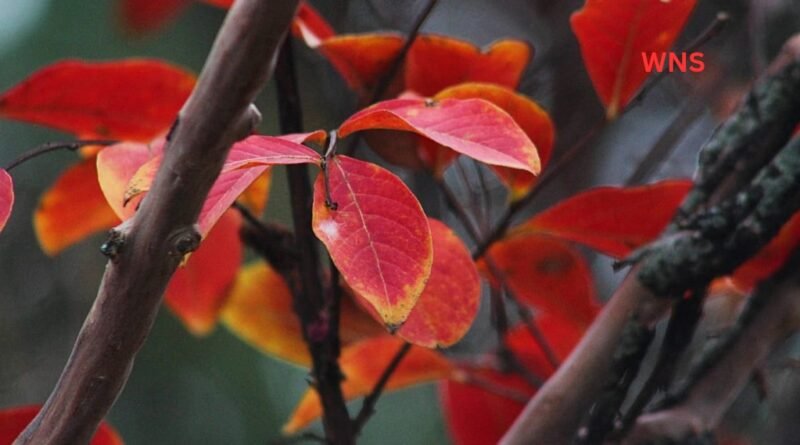
In contrast, the Southern Hemisphere experiences the onset of autumn. Days gradually become shorter, temperatures begin to cool, and vegetation undergoes seasonal changes, including the shedding of leaves in temperate regions.
This duality highlights the global symmetry of Earth’s seasonal system, where the same astronomical event produces opposite environmental effects depending on geographic location.
Ancient Civilizations and the Equinox
The March Equinox has been observed and celebrated since ancient times. Early civilizations recognized its importance in marking seasonal cycles and used it to structure calendars, agricultural activities, and religious rituals.
Mesopotamia and Persia
In ancient Persia, the equinox became the foundation of Nowruz, the Persian New Year. Nowruz, meaning “new day,” is celebrated on the exact moment of the equinox and symbolizes renewal, rebirth, and the triumph of light over darkness.
The tradition dates back more than 3,000 years and remains widely observed in countries such as Iran, Afghanistan, and parts of Central Asia. Families gather to prepare symbolic items, clean their homes, and celebrate the arrival of spring.
Ancient Egypt
The ancient Egyptians aligned their architecture and rituals with solar events, including equinoxes. While the Nile’s flooding cycle was more closely tied to the heliacal rising of Sirius, equinoxes were still significant in marking seasonal transitions.
Russia Accuses Ukraine of ‘Reckless’ Drone Strikes on TurkStream Gas Pipeline Supplying Europe Seven-Ton Meteor Streaks Across Cleveland Sky, Startling Residents Across Multiple States.
Temples and monuments were often designed to align with solar movements, demonstrating an advanced understanding of astronomy.
Mesoamerican Civilizations
In Mesoamerica, civilizations such as the Maya and the Aztecs built structures aligned with equinox events. At sites like Chichén Itzá, the equinox creates a shadow pattern resembling a serpent descending the pyramid, reflecting sophisticated astronomical knowledge.
These events were often linked to agricultural cycles and religious ceremonies, reinforcing the connection between celestial observations and daily life.
Cultural and Religious Significance
Nowruz: Persian New Year
One of the most prominent celebrations associated with the March Equinox is Nowruz. Recognized by the United Nations as an international cultural event, Nowruz is observed by more than 300 million people worldwide.
The festival includes traditions such as:
• Setting up the “Haft-Seen” table with symbolic items
• Visiting family and friends
• Preparing special foods
• Participating in cultural performances
Nowruz reflects themes of renewal, harmony with nature, and the cyclical nature of time.
South Asia: Seasonal Awareness
In South Asia, including India, the equinox does not always correspond directly with traditional calendars, which are often lunisolar. However, it still holds importance in agricultural and seasonal awareness.
Festivals such as Holi, celebrated around the same period, symbolize the arrival of spring and the end of winter. While not directly tied to the equinox, these celebrations reflect similar themes of renewal and transformation.
Japan: Vernal Equinox Day
In Japan, the March equinox is observed as a national holiday known as Shunbun no Hi (Vernal Equinox Day). It is a time for honoring ancestors, visiting family graves, and reflecting on the balance of nature.

The day emphasizes harmony, gratitude, and respect for life, aligning with broader cultural values.
Europe: Pagan and Christian Traditions
In Europe, the equinox has roots in ancient pagan traditions celebrating fertility and rebirth. These traditions influenced later Christian observances, including the calculation of Easter, which is determined based on the first full moon after the spring equinox.
Symbols such as eggs and rabbits, associated with Easter, have origins in earlier fertility rituals connected to the equinox.
Indigenous Traditions
Indigenous cultures around the world have long observed equinoxes as markers of seasonal change. These observations often include ceremonies, storytelling, and communal gatherings that reflect a deep connection to nature.
In many cases, equinoxes are seen as moments of balance and transition, offering opportunities for reflection and renewal.
Scientific and Environmental Importance
The March Equinox 2026 also has scientific significance in understanding Earth’s climate and seasonal systems. It marks the transition between different atmospheric patterns and influences weather changes across regions.
Meteorologists and climatologists study equinoxes to analyze seasonal shifts, including temperature changes, precipitation patterns, and ecological responses.
The equinox also affects animal behavior. Many species use changes in daylight to regulate migration, reproduction, and feeding patterns. For example, birds begin migrating northward in the Northern Hemisphere as daylight increases.
Agriculture and Economic Impact
Historically, equinoxes have played a critical role in agriculture. Farmers have used them as reference points for planting and harvesting cycles.
In many regions, the arrival of spring signals the beginning of the agricultural season. Crops are planted, livestock are moved to grazing areas, and rural economies become more active.
In the Southern Hemisphere, the onset of autumn marks the beginning of harvest season for various crops, influencing food supply and market dynamics.
Modern Observations and Global Awareness
In the modern era, the March Equinox continues to be observed through scientific, cultural, and educational activities.
Astronomical organizations often host events and public lectures explaining the science behind the equinox. Educational institutions use the occasion to teach about Earth’s rotation, orbit, and axial tilt.
Tourist destinations associated with equinox phenomena, such as ancient monuments and archaeological sites, attract visitors from around the world.
Symbolism of Balance and Renewal
The equinox is often interpreted as a symbol of balance, representing the equilibrium between light and darkness. This symbolism resonates across cultures, inspiring themes of harmony, renewal, and transformation.
In literature and philosophy, the equinox is frequently associated with new beginnings, personal growth, and the cyclical nature of life.
Challenges in Modern Context
Despite its symbolic meaning, the equinox also highlights contemporary challenges related to climate change. Shifts in seasonal patterns have affected ecosystems, agriculture, and weather systems.
Scientists note that changes in temperature and precipitation patterns can alter the timing of seasonal events, such as flowering and migration, potentially disrupting ecological balance.
Understanding these changes is essential for adapting to evolving environmental conditions.
Latest Developments and Observances in 2026
As March Equinox 2026 is observed globally, communities are marking the occasion through cultural events, public gatherings, and educational initiatives.
Governments and organizations have highlighted the importance of environmental awareness, sustainability, and cultural preservation in connection with the equinox.
In several countries, festivals and ceremonies are being held to celebrate the arrival of spring or autumn, reflecting enduring traditions adapted to modern contexts.
March Equinox 2026 represents more than a simple astronomical event. It is a moment that connects science, culture, and human experience across the globe.
From ancient civilizations to modern societies, the equinox has served as a guide for understanding time, seasons, and the natural world. Its cultural significance continues to be expressed through festivals, traditions, and shared values of renewal and balance.
As the Earth continues its orbit around the Sun, the equinox remains a powerful reminder of the interconnectedness of nature and humanity, marking both an ending and a beginning in the ongoing cycle of seasons.
SOURCES / INPUTS
United Nations: International Nowruz Day
Investigative Journalism: Methods, Ethics & Impact on Public Accountability.
Haiti’s Expanding Drone War: Civilian Deaths Raise Legal Questions Over Security Operations, A World Under Pressure: The Global Toll of the Iran War, 11 Days On.