Sri Lanka Raises Fuel Prices
Auto diesel hits 382 rupees per litre, up 36% since February, as government warns of global supply disruptions
COLOMBO — March 22, 2026 — Sri Lanka raised fuel prices for the third time in less than a month on Saturday, with auto diesel and petrol increasing by up to 90 rupees per litre, as the island nation grapples with soaring global oil prices triggered by the ongoing conflict in the Middle East.
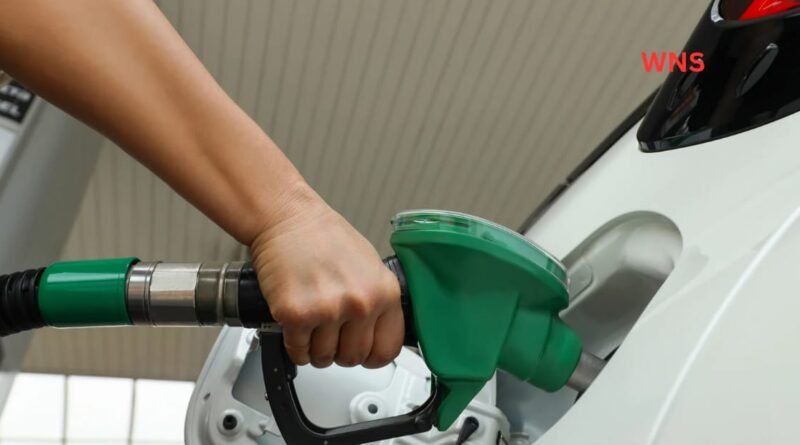
The Ceylon Petroleum Corporation announced price hikes ranging from 60 to 90 rupees per litre across all fuel products, effective from midnight Saturday . Auto diesel now costs 382 rupees per litre, up from 303 rupees on March 9, while Octane 92 petrol has risen to 398 rupees per litre from 317 rupees previously — representing increases of 26 per cent and 26 per cent respectively . Lanka IOC, another major petroleum company in Sri Lanka, said it would align its prices with the revised rates .
Sri Lanka Reintroduces QR Code Fuel Rationing System Amid Middle East Supply Disruption.
The price of kerosene was increased by 60 rupees to 255 rupees per litre .
This marks the third price hike since February 28, when fuel was last adjusted prior to the current series of increases . Prior to the hikes, auto diesel was priced at 281 rupees per litre — meaning the fuel has risen by 101 rupees, or 36 per cent, in less than a month .
Global Crisis Driving Costs
The sharp increases come as the conflict between Iran and the US-Israel alliance, which began on February 28, has effectively closed the Strait of Hormuz — a strategically vital chokepoint through which approximately one-fifth of the world’s oil passes . Brent crude oil is currently trading at over US$110 per barrel, according to government officials .
President Anura Kumara Dissanayake told Parliament earlier this week that crude oil prices had increased from US$81 to US$114 per barrel, while premiums on long-term tenders had risen “from around $2.5 to around $40” .
“Consequently, countries worldwide have decided to increase fuel prices,” the President said. “In our country, the increase has been around 8% on average” .
Private fuel suppliers, which account for approximately 43 per cent of Sri Lanka’s domestic fuel market, had reportedly halted imports due to mounting losses . President Dissanayake said private companies faced losses of up to US$55 million per shipment under the previous pricing structure .
Bus Services Disrupted, Fares to Rise
The steep increase in diesel prices has dealt a heavy blow to public transport operators. The Lanka Private Bus Owners’ Association (LPBOA) announced that approximately 90 per cent of privately operated buses were expected to be withdrawn from service on Sunday .
LPBOA President Gemunu Wijeratne said bus owners had decided not to operate services after the latest hike, describing the increase as the highest percentage recorded. Diesel prices have risen by 31 per cent .
“Bus services are expected to resume once fares are revised,” Wijeratne said, adding that current rates are not sufficient to cover costs under the new fuel pricing. The association expects a minimum fare increase of 15 per cent .
The National Transport Commission, which operates public bus services, said it would implement measures to revise bus fares on March 22, with calculations currently underway .
Seven-Ton Meteor Streaks Across Cleveland Sky, Startling Residents Across Multiple States El Niño Forecast 2026: Scientists Predict Shift from La Niña with Potential for ‘Super El Niño’.
Government Urges Conservation, Warns Against Hoarding
Government spokesman and minister Nalinda Jayatissa urged the public on Sunday to use fuel and electricity sparingly to cushion potential shortages amid volatile global markets .
“We urge the public to consume electricity and fuel mindfully and limit energy consumption to a minimum,” Jayatissa said, warning against hoarding and seeking information on such attempts .
Jayatissa noted that despite the recent price hikes, the government is still incurring a monthly cost of 20 billion rupees by subsidising 100 rupees per litre of diesel and 20 rupees per litre of petrol. Without the price revisions, he said, the government would have had to bear an additional burden of approximately US$1.5 billion .
Targeted Subsidies Under Consideration
The government is now considering providing subsidies to essential sectors and targeted groups to cushion the impact of the price revisions . A senior government official told The Sunday Times that fuel would be issued at subsidised rates to essential sectors such as health, farming, fishing, hotels, industries, and low-income groups .
“What is unfolding is beyond our control, but we have to ensure that price hikes don’t affect the most vulnerable in society and impede essential services,” the official said .
The International Monetary Fund has reportedly agreed to the subsidy proposal for targeted communities, with further discussions scheduled during an IMF team visit to Sri Lanka from March 26 to April 9 for the combined fifth and sixth review of the Extended Fund Facility programme .
Rationing System Modified
Hours before the price revision, the government increased the weekly fuel quotas allocated under the QR code-based National Fuel Pass system . Under the revised scheme, cars will receive 25 litres per week, up from 15 litres, while three-wheelers will receive 20 litres, an increase of 5 litres. Motorcycles will now receive 8 litres, up from 5 litres .
Regional Fallout
The ripple effects of the West Asia crisis are being felt across South Asia. In India, the Ministry of External Affairs recently confirmed it is examining requests from neighbouring countries, including Sri Lanka, Bangladesh, and the Maldives, for diesel supplies .
“India is a major exporter of refined petroleum products, especially to our neighbourhood,” MEA spokesperson Randhir Jaiswal said during a media briefing earlier this month. He noted that requests for fuel supply are being assessed while keeping India’s domestic requirements and refining capacity in mind .
Return to Crisis-Level Prices
With the two cost escalations in March, fuel retail prices have returned to the levels seen during Sri Lanka’s 2022 economic crisis, when the island nation declared its first-ever sovereign default since gaining independence from Britain in 1948 . That crisis led to civil unrest and the resignation of then-president Gotabaya Rajapaksa.

SOURCES / INPUTS
- Bernama/Xinhua: Sri Lanka raises weekly fuel quotas, announces further price hike
- Mid-day/IANS: Sri Lanka sees another round of fuel price hike, bus services affected
- Daily FT: President says Govt. to revise fuel pricing, taxes urgently as ME crisis disrupts energy supply
Understanding the Global Economy: GDP, Inflation, Trade & Monetary Policy.
Russia Accuses Ukraine of ‘Reckless’ Drone Strikes on TurkStream Gas Pipeline Supplying Europe, Asia grapples with oil and fuel crisis as Strait of Hormuz blockade disrupts energy supplies.