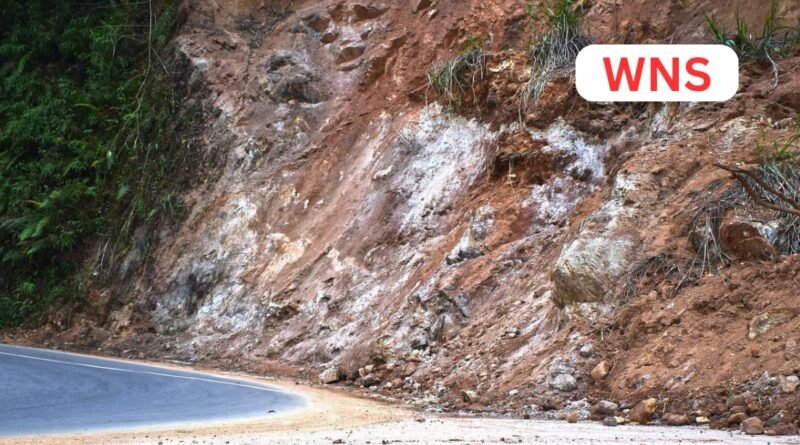
Death toll from Ethiopia landslides rises to 64 as heavy rains trigger multiple disasters
Rescue teams recover dozens of bodies from mud in Gamo Zone as 128 remain missing across three districts following week of torrential downpours
ADDIS ABABA — March 12, 2026 — At least 64 people have been confirmed dead and 128 others are missing after landslides and flash floods triggered by heavy rainfall struck three districts in southern Ethiopia’s Gamo Zone, authorities said Thursday, as rescue operations continue amid challenging conditions .
The South Ethiopia Regional State Police Commission announced the updated toll in a Facebook statement on March 12, with Gamo Zone disaster response director Mesfin Manuqa confirming that the disaster affected Gacho Baba District, Kamba District, and Bonke District following a week of intense rains .
Global markets steady after oil price plunge as Middle East conflict fuels volatility.
Rescue teams have so far recovered dozens of bodies from thick mud and debris, with Gacho Baba District communication chief Abebe Agena stating that most of those who died were found buried in the mud. One person was pulled out alive during rescue operations, according to Manuqa .
Disaster unfolds across three districts
The landslides struck highland areas of Gamo Zone in the South Ethiopia Regional State following continuous and unseasonal rains that fell between the night of March 9 and the early morning of March 11, affecting several kebeles (the smallest administrative units) across three woredas (districts) .
Mesfin Manuqa, head of the Gamo Zone Disaster Risk Management Office, described the impact of the heavy rainfall in Bonke and Gacho Baba woredas as “devastating.” He added that the overflow of the Kulfo and Sego rivers had also caused damage to institutions and infrastructure in Arba Minch city and nearby districts .
Among the victims were a mother and her two children who were killed instantly when a landslide struck their home in Yela Kebele of Bonke Woreda. The father survived but sustained serious injuries and is receiving treatment at Bonke Gazeso Health Center, according to local authorities .
Authorities also confirmed the deaths of two individuals following sudden flooding in Balta town in Kamba Zuria Woreda, while six others were killed in a landslide in Mazo Doysa Kebele of Gacho Baba Woreda .
Rescue challenges and response
The landslides have created major logistical challenges for rescue teams, according to Demis Admasu, chief administrator of the Gamo Zone, who said heavy machinery is being deployed to clear roads buried by mud and debris, allowing emergency teams to reach remote hillside communities with food, medicine, and shelter supplies .
Authorities reported that debris from landslides and floodwaters has blocked public transport routes, disrupting movement and complicating rescue operations in the affected regions .
Tilahun Kebede, president of the South Ethiopia Regional State, expressed deep condolences to the families of victims on March 10, saying that the regional government will provide all necessary support to the affected and that “search efforts and the delivery of support will continue with full force” .
The regional Disaster Risk Management Council has formed several task forces to coordinate relief efforts and plan longer-term rehabilitation for survivors, according to Kebede .
The Gamo Zone local communications office confirmed that although the death toll continues to rise, recovery teams have so far retrieved bodies from thick mud and debris as search operations and humanitarian assistance intensify .
Russia Accuses Ukraine of ‘Reckless’ Drone Strikes on TurkStream Gas Pipeline Supplying Europe UNESCO report reveals 272 million children out of school worldwide as education targets slip.
Warnings for vulnerable areas
Regional authorities warn that further disasters could occur as seasonal rains continue. Wogene Bizuneh, commissioner of the South Ethiopia Region Disaster Risk Management and Food Security Commission, told the state-run Ethiopian News Agency that ongoing Belg season rains could trigger additional landslides in mountainous areas including Gamo, Wolayta, South Omo, Konso, Gedeo, and Gofa zones, as well as flooding in lowland regions .
“Given that we are in the rainy season and incidents like this may occur again, I urge communities living in vulnerable areas to take necessary precautions,” Kebede said .
The zonal administration has urged communities in high-risk areas—including Kola Shele, Shele Mela, and Elgo kebeles in Arba Minch Zuria Woreda, as well as Balta Kebele in Kamba Zuria—to remain vigilant .
Residents have been advised to watch for warning signs such as ground cracks or sudden emergence of water springs and to relocate to safer ground away from riverbanks and steep slopes during periods of heavy rain .
Ethiopia is in the midst of a rainy season, which started in February and is expected to last through March . Highland areas in southern Ethiopia are particularly vulnerable to landslides during the rainy season, when prolonged rainfall weakens soil and destabilizes slopes .
Regional context and climate concerns
Flooding caused by heavy rains has affected much of East Africa in recent days. Dozens were killed in neighbouring Kenya after torrential rain hit the capital, Nairobi, and other areas on March 6 .
Mudslides and floods caused by heavy rainfall are common in Ethiopia, especially during the rainy season. In July 2024, a deadly mudslide caused by heavy rain killed more than 250 people in southern Ethiopia .
The latest disaster follows a series of deadly landslides in southern Ethiopia linked to intense rainfall. In August 2024, landslides in Kawo Koyisha district of Wolayita Zone killed 11 people, while five others went missing as rescue teams searched through debris . Earlier that same year, consecutive landslides in Geze Gofa district of Gofa Zone left at least 257 people dead after days of torrential rain .
Multiple studies have tracked the increasing frequency of extreme wet and dry periods in East Africa over the last 20 years. Scientists have long warned that human-driven climate change is increasing the likelihood, length, and severity of severe weather events such as torrential downpours .
Ongoing search operations
Emergency crews remain at the site, and officials say the death toll could rise as more areas of the landslide are cleared and search operations continue . It is not yet clear how many households have been affected .

The zonal administration has expressed condolences to families of the victims and is coordinating with humanitarian organizations and the private sector to provide emergency assistance to affected residents .
Local authorities and disaster officials continue to warn that communities in mountainous and flood-prone areas remain vulnerable as heavy rains persist across parts of southern Ethiopia .
The landslides that struck southern Ethiopia’s Gamo Zone between March 9 and 11 have claimed at least 64 lives, with 128 people still missing as rescue operations continue amid challenging conditions. The disaster, triggered by a week of heavy rainfall, affected three districts and has left communities devastated, with entire families buried in mud and debris.
Regional authorities have mobilized emergency response teams, deploying heavy machinery to clear blocked roads and reach remote communities with essential supplies. As the rainy season continues, officials have issued urgent warnings to residents in vulnerable highland and flood-prone areas to remain vigilant and relocate to safer ground when necessary.
The tragedy adds to a growing pattern of deadly landslides in southern Ethiopia, where climate scientists say extreme weather events are becoming more frequent and severe. For the families awaiting news of missing loved ones and the communities digging through mud to recover the dead, the immediate focus remains on rescue and recovery—while the longer-term challenge of adapting to a changing climate looms ever larger.
SOURCES / INPUTS
Anadolu Ajansı: Landslide in southern Ethiopia kills 102 as search, rescue efforts continue
Xinhua: Death toll from landslide in southern Ethiopia reaches 52, further rise likely
AP News: At least 50 people killed and 125 others reported missing after landslides sweep Ethiopia
Al Jazeera: At least 64 killed, dozens reported missing in Ethiopia landslides, floods
Modern World Order Explained: Power, Alliances & Global Systems.
Deadly Escalation: Seven Pakistani Police Killed in IED Blast, Afghanistan Accuses Islamabad of Civilian Deaths in Airstrikes, China Donates $200,000 to Families of Iranian School Strike Victims.