Australian Prime Minister Anthony Albanese Calls for Clarity from Trump on Objectives of Iran War
Albanese urges de-escalation amid ongoing US-led conflict that has disrupted global energy supplies and killed thousands.
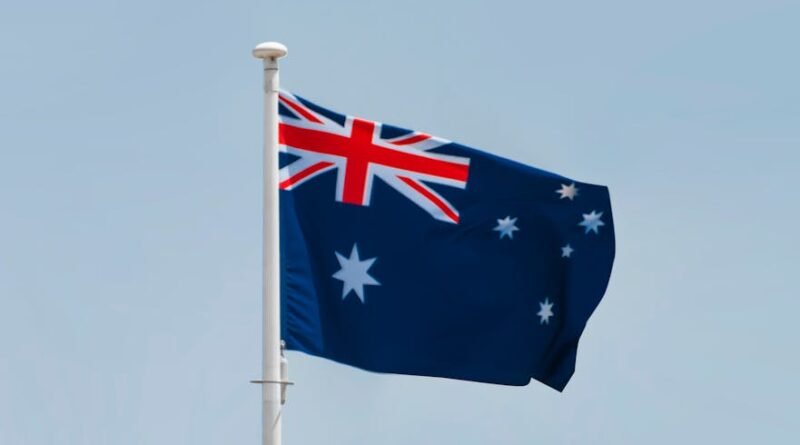
Sydney — March 30, 2026 —Australian Prime Minister Anthony Albanese has called for greater clarity from U.S. President Donald Trump on the objectives of the Iran war. Speaking on Monday, Albanese emphasized the need for defined goals and de-escalation to stabilize the global economy.
The remarks came as the conflict, now in its second month, continues to roil international markets and security. Australia has backed U.S. efforts to curb Iran’s nuclear ambitions but seeks specifics on endgame strategies.
Global Markets Rebound as US-Iran Ceasefire Hopes Drive Oil Below $100, Gold Surges.
Event Timeline
The war erupted on February 28, 2026, when Israel and the United States launched coordinated strikes on Iranian targets. An initial Israeli airstrike killed Supreme Leader Ayatollah Ali Khamenei, who was swiftly replaced by his son, Mojtaba Khamenei.
U.S. and Israeli operations, codenamed Operation Epic Fury and Operation Roaring Lion respectively, targeted nuclear facilities, military commanders, and leadership sites across Iran. Iranian responses under Operation True Promise IV included strikes on Israel and Gulf states.
By late March, the fighting had spread regionally, with hundreds of airstrikes hitting 26 of Iran’s 31 provinces. Iran’s health ministry reported over 1,500 deaths as of early March, though independent verification remains limited; broader estimates cite thousands killed.
Albanese’s Position
Albanese, responding to questions on Trump’s prosecution of the war, stated: “I want to see more certainty in what the objectives of the war are and I want to see a de-escalation.”
He affirmed Australia’s support for preventing Iran from acquiring nuclear weapons, a goal he described as achieved, and for degrading Tehran’s military capacity via proxies like Hezbollah, Hamas, and the Houthis.
However, Albanese cautioned on regime change, noting: “History clearly indicates that externally imposed regime change is exceedingly challenging.” He expressed disdain for the Iranian regime but prioritized de-escalation for global economic interests.
Australia deployed an E-7 Wedgetail surveillance aircraft and 85 personnel to the United Arab Emirates at Abu Dhabi’s request to counter Iranian missiles and drones. Naval ships have been ruled out for Strait of Hormuz operations.
U.S. Objectives and Trump Statements
The U.S. initially aimed to dismantle Iran’s nuclear program and enable internal regime change, according to President Trump. Recent reports indicate Pentagon considerations of ground forces, though unapproved.
In a Financial Times interview published Sunday, Trump signaled interest in seizing Iran’s oil, particularly Kharg Island, which handles 90% of Tehran’s exports. “My favourite thing is to take the oil in Iran,” he said, hinting at economic pressure via the export hub.
Such a move would require ground troops and risk prolonging the conflict, amid domestic U.S. opposition to escalation ahead of congressional midterms.
Oil Surges Past $115 as Middle East War Expands, Stocks Tumble Worldwide ‘A New Era of Cosmic Surveys’: NASA to Unveil Complete Roman Space Telescope Ahead of Fall Launch.
Official Reactions
The Australian government convened its National Security Committee shortly after the strikes began. Albanese, Defense Minister Richard Marles, and Foreign Minister Penny Wong issued a joint statement supporting actions against Iran’s “destabilizing” role and nuclear threat.
U.K. and E.U. leaders urged restraint to avoid escalation. Iran decried the strikes as “terrorist” attacks damaging water, energy, and health infrastructure, including a hospital in Ahvaz.
No direct U.S. response to Albanese’s comments was immediately available as of Monday evening.
Background and Context
Iran’s nuclear program has long alarmed the West, despite Tehran’s denials of weaponization intent. Proxy conflicts via groups like the Houthis have disrupted Red Sea shipping, compounding Strait of Hormuz tensions.
Australia, a staunch U.S. ally under the AUKUS pact, has prioritized regional stability and citizen safety, advising against Iran travel. The conflict follows years of failed diplomacy post-2018 U.S. withdrawal from the JCPOA nuclear deal.
Khamenei’s death marks a rare decapitation strike, echoing historical challenges in leadership transitions within Iran’s theocracy.
Economic and Global Impact
The war has triggered the largest-ever energy supply disruptions. Oil prices surged, hitting global economies; Kharg Island threats exacerbate fears of prolonged shortages.
Australia, a major LNG exporter, faces indirect ripple effects via higher fuel costs and supply chain strains. De-escalation, as Albanese advocates, could ease pressures on inflation-weary nations.
Regionally, UAE and other Gulf states bolster defenses against Iranian retaliation. Broader Middle East instability risks drawing in more actors, from Russia to China.
Latest Developments
Strikes continue, with recent U.S.-Israeli operations targeting central and southern Iran. Cyber attacks have hit Iranian infrastructure, per state media.

Trump’s oil rhetoric has fueled speculation of phase two, though Pentagon plans remain under review. Australian officials monitor for reprisals affecting citizens.
Albanese’s call aligns with growing allied queries on exit strategies, amid reports of Iranian proxy reductions.
Wider Implications
For Indo-Pacific security, the war diverts U.S. focus from China, straining alliances like AUKUS. Australia’s measured support balances solidarity with caution against entanglement.
Globally, energy shocks threaten recession; developing nations bear brunt via food and fuel inflation. Success in degrading Iran’s capabilities could deter proliferators, but quagmire risks echo Iraq and Afghanistan.
FAQs
What prompted the Iran war in February 2026?
Joint U.S.-Israeli strikes targeted Iran’s nuclear sites and leadership to prevent weaponization and enable regime change.
What Australian aid is involved?
An E-7 Wedgetail aircraft and 85 personnel assist UAE defenses; no naval commitment.
Has Iran’s nuclear program been stopped?
Albanese stated prevention of nuclear acquisition has been accomplished.
What are potential U.S. next steps?
Trump mentioned seizing Kharg Island oil exports, possibly requiring ground forces.
Why de-escalation now?
To protect global economy from energy disruptions, per Albanese.
The situation remains fluid, with allies pressing for defined paths to resolution amid humanitarian and economic tolls.
Modern World Order Explained: Power, Alliances & Global Systems.
Magnitude 7.3 Earthquake Strikes Vanuatu Islands, No Tsunami Threat Reported, Millions Protest Across US in Third Wave of ‘No Kings’ Rallies Against Trump Policies.