Afghanistan: History, Geography and Culture Shaping a Nation at the Crossroads of Asia
A comprehensive examination of Afghanistan’s historical evolution, strategic geography, and enduring cultural identity
Geography: A Strategic and Challenging Landscape
Afghanistan is a landlocked country bordered by Pakistan to the east and south, Iran to the west, Turkmenistan, Uzbekistan, and Tajikistan to the north, and a small border with China to the northeast. Its location has historically made it both a conduit for trade and a focal point for geopolitical competition.
Sri Lanka Reintroduces QR Code Fuel Rationing System Amid Middle East Supply Disruption.
The country’s geography is dominated by the Hindu Kush mountain range, which stretches across central Afghanistan and divides the country into distinct regions. Many of these mountains rise above 7,000 meters, creating natural barriers that have historically limited internal connectivity and shaped regional identities.
Beyond the mountains, Afghanistan includes vast arid plains, deserts such as the Registan and Dasht-e Margo, and fertile valleys that support agriculture. Rivers such as the Helmand and Kabul rivers play an essential role in irrigation, although water scarcity remains a persistent challenge.
According to international geographic assessments, Afghanistan’s terrain has historically hindered large-scale infrastructure development. However, it has also provided strategic defensive advantages, contributing to the country’s reputation as difficult terrain for foreign military campaigns.
The country’s position along ancient trade routes, including branches of the Silk Road, enabled cultural exchange between civilizations. Traders, scholars, and travelers passed through Afghan cities, leaving lasting influences on language, religion, and art.
Historical Foundations: Ancient Civilizations to Islamic Influence
Afghanistan’s history dates back thousands of years, with archaeological evidence pointing to early settlements in the region during the Bronze Age. The area was part of several ancient civilizations, including the Bactria-Margiana Archaeological Complex, which contributed to early urban development.
The region later became part of the Achaemenid Persian Empire in the 6th century BCE. In the 4th century BCE, Alexander the Great conquered much of the territory, establishing cities and spreading Hellenistic influence. These early interactions helped shape Afghanistan’s cultural diversity.
Subsequent empires, including the Maurya Empire from the Indian subcontinent, introduced Buddhism to the region. Afghanistan became an important center of Buddhist culture, as evidenced by the ancient Bamiyan Buddhas, which stood for centuries before their destruction in 2001.
By the 7th and 8th centuries, Islamic conquests brought Islam to the region. Over time, Islam became the dominant religion, influencing governance, law, education, and cultural practices. Persian language and literature also flourished, contributing to Afghanistan’s intellectual heritage.
Medieval and Early Modern Periods
During the medieval period, Afghanistan was part of various Islamic empires and dynasties, including the Ghaznavids and the Ghurids. These rulers expanded their influence into South Asia and contributed to the spread of Islamic culture.
The region later came under the control of the Mongol Empire in the 13th century, followed by the Timurid Empire, which promoted art, architecture, and scholarship. Cities such as Herat became renowned centers of learning and culture.
Russia Accuses Ukraine of ‘Reckless’ Drone Strikes on TurkStream Gas Pipeline Supplying Europe Pi Day 2026: Celebrating Mathematics’ Most Famous Constant with Pie, Puzzles, and Einstein’s Birthday.
In the 18th century, Ahmad Shah Durrani established the Durrani Empire, often considered the foundation of modern Afghanistan. His rule unified various tribes and territories, creating a political entity that resembles present-day Afghanistan.
The “Great Game” and Formation of the Modern State
In the 19th century, Afghanistan became a key player in the geopolitical rivalry between the British Empire and Tsarist Russia, known as the “Great Game.” Its location made it a buffer state between expanding empires.
The Anglo-Afghan wars between Britain and Afghanistan reflected this strategic importance. Despite external pressures, Afghanistan maintained a degree of independence. The Third Anglo-Afghan War in 1919 resulted in Afghanistan gaining full control over its foreign affairs, marking a significant milestone in its sovereignty.
King Amanullah Khan initiated modernization efforts, including educational reforms and attempts to reduce traditional restrictions. However, resistance from conservative elements limited the pace of change.
Late 20th Century Conflict and Transformation
Afghanistan’s modern history has been significantly shaped by decades of conflict. In 1979, the Soviet Union invaded Afghanistan to support a communist government, triggering a prolonged war with resistance groups known as the mujahideen.
According to historical accounts, the conflict led to widespread destruction, displacement, and loss of life. The Soviet withdrawal in 1989 was followed by civil war among competing factions, further destabilizing the country.
In the mid-1990s, the Taliban emerged as a dominant force, eventually establishing control over much of Afghanistan. Their rule imposed strict interpretations of Islamic law and limited many social freedoms.
Following the September 11, 2001 attacks in the United States, a U.S.-led coalition intervened in Afghanistan, leading to the removal of the Taliban from power. A new government was established with international support, and efforts were made to rebuild institutions and infrastructure.
However, conflict persisted for two decades. In 2021, the withdrawal of foreign forces and the Taliban’s return to power marked a major shift in Afghanistan’s political landscape. According to international organizations, this transition has had significant implications for governance, human rights, and economic stability.
Ethnic Diversity and Social Structure
Afghanistan’s population is composed of multiple ethnic groups, including Pashtuns, Tajiks, Hazaras, Uzbeks, and others. Each group has its own linguistic, cultural, and historical traditions.

Pashto and Dari (a form of Persian) are the official languages, widely spoken across the country. Multilingualism is common, particularly in urban areas and among communities engaged in trade and administration.
Social organization in Afghanistan is often based on tribal and kinship structures. According to sociological research, extended families and local networks play a crucial role in decision-making and conflict resolution.
Cultural Traditions and Heritage
Afghanistan’s culture reflects a blend of influences from Central Asia, South Asia, and the Middle East. Poetry holds a special place in Afghan society, with classical poets such as Rumi and Khushal Khan Khattak widely celebrated.
Music and oral storytelling traditions remain important, although they have faced periods of restriction. Folk music varies by region, often incorporating local instruments and themes.
Afghan cuisine is characterized by rice dishes, bread, and meat, often flavored with spices such as cardamom and cumin. Kabuli pulao, made with rice, raisins, carrots, and lamb, is considered a national dish.
Traditional clothing varies by region but typically includes garments suited to the climate and cultural norms. For men, this often includes the shalwar kameez and turbans, while women’s clothing varies widely depending on region and community.
Hospitality is a deeply ingrained cultural value. Guests are traditionally treated with generosity, reflecting long-standing social customs.
Cultural Heritage and Preservation
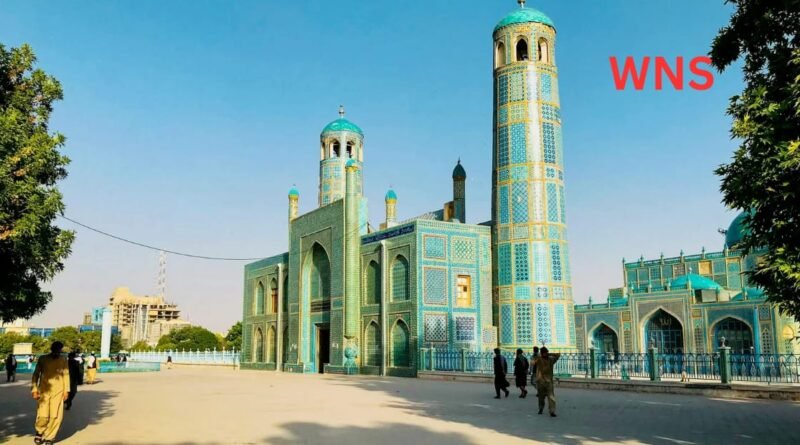
Afghanistan is home to numerous historical and cultural sites, including ancient cities such as Herat, Balkh, and Kandahar. These cities have served as centers of trade, learning, and governance throughout history.
Decades of conflict have affected the preservation of cultural heritage. International organizations, including UNESCO, have highlighted the need to protect and restore historical landmarks.
Efforts to preserve Afghan culture also extend to language, literature, and traditional crafts, which continue to be practiced despite challenges.
Economic and Resource Landscape
Afghanistan’s economy is influenced by its geography and political conditions. Agriculture remains a primary source of livelihood, particularly in rural areas. Crops such as wheat, fruits, and nuts are widely produced.
The country also possesses significant natural resources, including minerals such as copper, iron ore, and rare earth elements. However, development of these resources has been limited by infrastructure challenges and security concerns.
According to international financial institutions, economic recovery remains a key priority, with emphasis on improving infrastructure, education, and healthcare systems.
Regional and Global Significance
Afghanistan’s location continues to make it strategically important. It is central to discussions on regional connectivity, including trade routes linking Central and South Asia.
The country is also a focal point for security considerations, with stability in Afghanistan seen as critical for regional peace. Neighboring countries and international stakeholders remain engaged in diplomatic and humanitarian efforts.
Humanitarian Situation and Recent Developments
Recent years have seen significant humanitarian challenges in Afghanistan. According to United Nations reports, millions of people require assistance due to economic difficulties, food insecurity, and limited access to services.
International organizations have called for sustained humanitarian aid and engagement to address these challenges. Efforts are ongoing to support basic services, including healthcare and education.
At the same time, discussions continue regarding governance, economic reforms, and the role of Afghanistan in regional cooperation.
Afghanistan history, geography and culture provide essential context for understanding the country’s complexities and resilience. From its ancient civilizations and strategic location to its diverse cultural traditions, Afghanistan has long been shaped by forces both internal and external.
As the country navigates ongoing challenges, its historical legacy and cultural identity remain central to its future. Observers note that a comprehensive understanding of Afghanistan requires careful consideration of its past, its people, and its evolving role in the global landscape.
Global Civilizations & Cultural Heritage: Tourism, Preservation & Governance.
At least 56 cultural properties damaged across multiple provinces, including several UNESCO World Heritage sites, as war enters third week, Global Civilizations & Cultural Heritage: Tourism, Preservation & Governance.