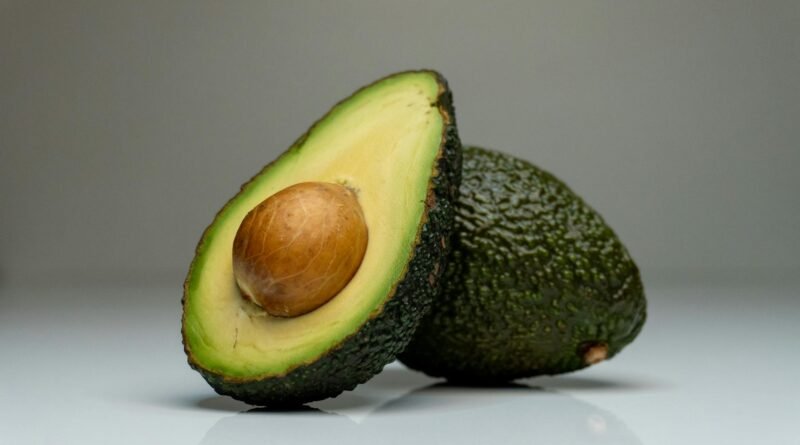
Why Avocado Is Still the King of Superfoods (And Is It Really Worth the Hype?)
Avocado has become one of the most talked-about foods in modern nutrition. From toast and salads to smoothies and dips, this creamy fruit has earned a reputation as a “superfood.” But is avocado truly deserving of this title, or is it just another health trend?
Nutrition experts frequently recommend Avocado because of its unique combination of healthy fats, fiber, and essential nutrients. Unlike many fruits that are high in carbohydrates, avocado stands out for its high content of heart-healthy fats.
22 Migrants Die After Drifting Six Days Without Food or Water Off Greek Coast.
Let’s explore why avocado continues to dominate the superfood conversation—and whether it truly lives up to the hype.
A Rare Fruit Rich in Healthy Fats
One of the most distinctive features of avocado is its fat content.
‘A New Era of Cosmic Surveys’: NASA to Unveil Complete Roman Space Telescope Ahead of Fall Launch NASA Confirms Artemis II Mission on Track for April 1 Launch After Final Preparations.
Unlike most fruits, avocado is rich in monounsaturated fats, particularly oleic acid—the same type of fat found in olive oil.
These healthy fats are known to:
- support heart health
- reduce bad cholesterol levels
- improve nutrient absorption
This makes avocado a valuable addition to a balanced diet.
Packed With Essential Nutrients
Avocados are loaded with vitamins and minerals that support overall health.
They contain:
- potassium
- vitamin K
- vitamin E
- vitamin C
- B vitamins
In fact, avocados contain more potassium than bananas, which plays a key role in maintaining healthy blood pressure.
This nutrient density is one reason avocado is often labeled a superfood.
Supports Heart Health Naturally
Heart health is one of the biggest reasons avocado is recommended by nutrition experts.
The combination of healthy fats, potassium, and fiber may help:
- lower LDL cholesterol
- increase HDL cholesterol
- regulate blood pressure
These effects contribute to improved cardiovascular health over time.
Helps You Feel Full and Satisfied
Avocado is highly satisfying due to its combination of fats and fiber.
This can help reduce hunger and prevent overeating.
Adding avocado to meals may help you stay full longer, making it useful for weight management.
Despite being calorie-dense, it can support healthy eating habits when consumed in moderation.
Improves Nutrient Absorption
Avocado doesn’t just provide nutrients—it helps your body absorb nutrients from other foods.
Fat-soluble vitamins like A, D, E, and K require fat for proper absorption.
Eating avocado with vegetables can increase the absorption of these vitamins, enhancing the nutritional value of your meals.
May Support Skin Health
The healthy fats and antioxidants in avocado can benefit the skin.
They help maintain skin hydration and protect against environmental damage.
Some studies suggest that diets rich in healthy fats may support skin elasticity and overall appearance.
This is why avocado is often included in both diets and skincare routines.
Supports Digestive Health
Avocados are a good source of dietary fiber.
Fiber plays a crucial role in:
- supporting digestion
- maintaining gut health
- promoting regular bowel movements
A healthy digestive system contributes to better nutrient absorption and overall wellness.
May Help Regulate Blood Sugar Levels
Avocados are low in carbohydrates and high in fiber and healthy fats.
This combination helps slow down digestion and prevent rapid spikes in blood sugar levels.
For people looking to maintain stable energy levels, avocado can be a valuable addition to meals.
Versatile and Easy to Add to Meals
One of the biggest advantages of avocado is its versatility.
It can be used in:
- toast
- salads
- smoothies
- sandwiches
- dips like guacamole
Its creamy texture and mild flavor make it easy to incorporate into a wide range of dishes.
So, Is Avocado Really Worth the Hype?
Avocado’s reputation as a superfood is not just marketing—it is supported by its nutritional profile.
✔ rich in healthy fats
✔ packed with nutrients
✔ supports heart and digestive health
However, like any food, it should be consumed in moderation.
Because it is calorie-dense, eating too much can contribute to excess calorie intake.
The Bottom Line: A Superfood That Lives Up to Its Reputation
Avocado continues to stand out as one of the most nutrient-dense and versatile foods available.
Its combination of healthy fats, fiber, and essential nutrients makes it a valuable addition to modern diets.
While it may not be a miracle food, it certainly deserves its place among the most recommended superfoods.
When included as part of a balanced diet, avocado can support overall health and well-being in a simple and delicious way.