White Salt vs Pink Salt: Which Is Actually Better for Your Health?
Salt is an essential part of daily cooking and nutrition. It enhances flavor and plays a crucial role in maintaining fluid balance, nerve function, and muscle activity. But with growing health awareness, many people are now questioning which type of salt is better—regular white salt or pink Himalayan salt.
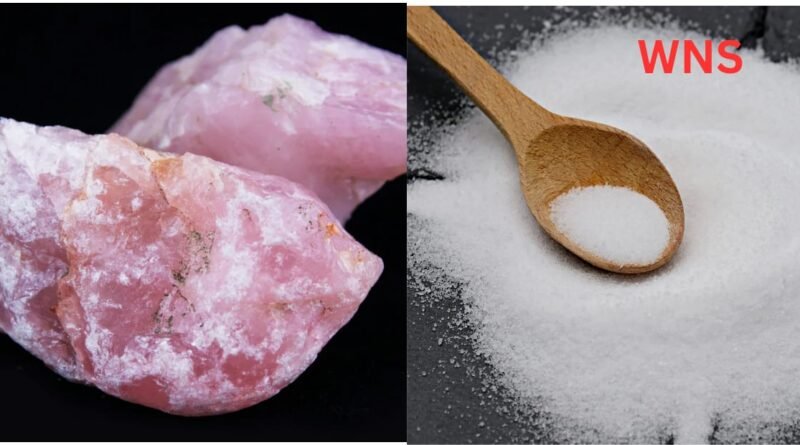
You’ve probably seen Table salt in almost every kitchen, while Himalayan pink salt has gained popularity as a “natural” and supposedly healthier alternative.
Indian Court Awards Death Sentence to Nine Police Officers in Sathankulam Custodial Deaths Case.
But is pink salt really better, or is it just a trend? Let’s break down the facts.
The Basic Difference: Refined vs Natural
White salt, commonly known as table salt, is highly refined.
‘Priced Out of the Market’: UN Warns Developing Countries Trapped by Unfair Credit Ratings as Debt Costs Soar | ‘They Cannot Afford Another Fall’: Myanmar’s Fragile Recovery from Deadly Earthquake Undermined by Global Crises.
During processing, impurities are removed, and additives such as anti-caking agents are included. It is also often fortified with iodine.
Pink salt, on the other hand, is less processed and retains trace minerals that give it its characteristic color.
This difference is often the main reason people consider pink salt healthier.
Mineral Content: Does It Really Matter?
Pink salt contains small amounts of minerals such as:
- potassium
- magnesium
- calcium
These minerals contribute to its pink color and natural appeal.
However, the amounts are extremely small and do not significantly impact overall nutrition.
In practical terms, you would need to consume large amounts of pink salt to benefit from these minerals—which is not advisable.
Iodine: An Important Advantage of Table Salt
One major benefit of white table salt is iodine fortification.
Iodine is essential for thyroid function and overall metabolism.
In many regions, iodine deficiency has been a serious health issue, and iodized salt has helped address this problem.
Pink salt typically does not contain added iodine, which can be a disadvantage.
Sodium Content: Almost Identical
Both white salt and pink salt are primarily made up of sodium chloride.
Their sodium content is nearly the same.
This means that both types of salt can contribute equally to:
- high blood pressure
- fluid imbalance
- cardiovascular risk
The type of salt matters less than the amount consumed.
Taste and Texture Differences
Pink salt has a slightly different taste and a coarser texture.
Some people prefer its flavor and use it in gourmet cooking.
White salt has a finer texture and a more uniform taste, making it suitable for everyday cooking.
Taste preference can influence which type you choose, but it does not significantly affect health.
Marketing vs Reality
Pink salt is often marketed as a “healthier” or “natural” alternative.
While it is less processed, the actual health benefits are often exaggerated.
The trace minerals in pink salt do not provide meaningful nutritional advantages compared to a balanced diet.
Health Impact Depends on Quantity
The most important factor when it comes to salt is not the type—but the quantity.
Excess sodium intake is linked to:
- high blood pressure
- heart disease
- kidney problems
Reducing overall salt consumption is more important than switching between types.
Can Pink Salt Be Part of a Healthy Diet?
Yes, pink salt can be used as part of a balanced diet.
It offers a natural option for those who prefer minimally processed foods.
However, it should not be seen as a healthier replacement that can be consumed in larger amounts.
Moderation remains key.
Which One Should You Choose?
The choice between white salt and pink salt depends on your needs.
✔ Choose table salt if you want:
- iodine support
- consistent texture
- affordability
✔ Choose pink salt if you prefer:
- a natural, less processed option
- a different taste and texture
From a health perspective, both can be used safely in moderation.
The Bottom Line: It’s About How Much You Use
The debate between white salt and pink salt is less important than it seems.
Both types of salt contain similar amounts of sodium, and excessive intake of either can negatively affect health.
While pink salt may look more appealing and natural, it does not offer significant health advantages.
The real key to better health is reducing overall salt intake and maintaining a balanced diet.
In the end, moderation—not the type of salt—is what truly matters.
Global Public Health Systems: Policy, Pandemics & Welfare.
Why Sleep Is the Most Powerful Health Habit You’re Probably Ignoring | Is Peanut Butter Healthy or Fattening? The Truth You Should Know.