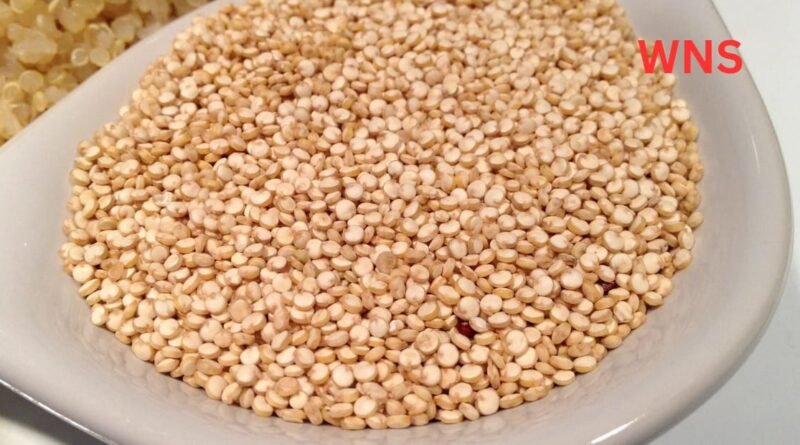
Quinoa Superfood: Nutrition Facts, Health Benefits and Why Experts Recommend It
In the ever-evolving world of nutrition, certain foods stand out not just for their taste but for their remarkable health benefits. Among them, quinoa has emerged as one of the most celebrated superfoods of the modern era. Once cultivated primarily in the highlands of South America, quinoa has now become a staple ingredient in kitchens and restaurants across the globe.
Nutrition experts increasingly highlight Quinoa as one of the most important foods for balanced diets in 2026. Rich in protein, fiber, vitamins, and minerals, quinoa offers a unique nutritional profile that appeals to both health professionals and everyday consumers seeking wholesome food options.
Global markets steady after oil price plunge as Middle East conflict fuels volatility.
Unlike many popular health trends that fade quickly, quinoa’s rise has been supported by decades of research into its nutritional value. Its versatility, combined with its powerful nutrient content, has earned it a permanent place in the category of modern superfoods.
An Ancient Grain With Modern Relevance
Although quinoa is widely consumed today, its history stretches back thousands of years. Indigenous communities in the Andes region of South America cultivated quinoa long before modern agriculture developed in other parts of the world.
Often referred to as the “mother grain” by ancient civilizations, quinoa was prized for its ability to grow in difficult climates while providing substantial nutrition.
Today, quinoa is grown in many countries, but major production still comes from nations such as Bolivia and Peru. As global demand has increased, farmers in other regions have also begun cultivating this resilient crop.
Despite its ancient origins, quinoa perfectly matches modern dietary preferences. It is naturally gluten-free, plant-based, and packed with essential nutrients, making it suitable for a wide variety of diets.
A Complete Plant Protein
One of the most remarkable characteristics of quinoa is its protein content. Unlike most plant foods, quinoa contains all nine essential amino acids, making it a complete protein source.
This quality is especially valuable for people who follow vegetarian or vegan diets. Many plant foods lack one or more essential amino acids, but quinoa provides the full spectrum needed for muscle repair, tissue growth, and overall health.
Nutrition experts emphasize that protein is crucial for maintaining:
- muscle mass
- immune function
- hormone production
- energy levels
Because quinoa offers both protein and complex carbohydrates, it provides a balanced source of energy that can support active lifestyles.
High in Fiber for Digestive Health
Fiber is another key reason nutritionists recommend quinoa as a superfood. Dietary fiber plays an important role in supporting digestive health, maintaining regular bowel movements, and promoting a healthy gut microbiome.
Russia Accuses Ukraine of ‘Reckless’ Drone Strikes on TurkStream Gas Pipeline Supplying Europe UNESCO report reveals 272 million children out of school worldwide as education targets slip.
A serving of quinoa provides significantly more fiber than many refined grains.
Fiber contributes to:
- improved digestion
- better blood sugar regulation
- reduced risk of heart disease
- longer-lasting satiety after meals
For individuals trying to maintain a healthy weight, foods high in fiber can help control appetite and reduce unnecessary snacking.
Rich in Essential Minerals
Beyond protein and fiber, quinoa also provides a wide range of essential minerals that support overall health.
These include:
- magnesium
- iron
- zinc
- phosphorus
- potassium
Magnesium supports muscle and nerve function, while iron plays a crucial role in transporting oxygen throughout the body.
Iron deficiency remains one of the most common nutritional deficiencies worldwide. Quinoa offers a valuable plant-based source of iron, making it particularly important for people who avoid meat products.
Phosphorus and potassium contribute to bone health and help maintain healthy blood pressure levels.
Naturally Gluten-Free
Another reason quinoa has gained global popularity is that it is naturally gluten-free.
For people living with gluten intolerance or celiac disease, finding nutritious alternatives to wheat can be challenging. Quinoa provides a safe and healthy option that can replace traditional grains such as wheat or barley.

Gluten-free diets have also become increasingly common among people seeking digestive comfort or exploring alternative dietary patterns.
Because quinoa is both gluten-free and nutrient-dense, it has become a key ingredient in many gluten-free products, including pasta, bread, and cereals.
A Low Glycemic Food
Quinoa also has a relatively low glycemic index, meaning it releases energy slowly into the bloodstream.
Foods with a low glycemic index help prevent rapid spikes in blood sugar levels. This can be particularly beneficial for individuals managing diabetes or aiming to maintain steady energy throughout the day.
By providing sustained energy, quinoa helps reduce fatigue and promotes better concentration during daily activities.
Nutrition experts often recommend replacing refined carbohydrates such as white rice with quinoa for improved metabolic health.
Antioxidants That Protect the Body
In addition to vitamins and minerals, quinoa contains antioxidants that help protect the body from oxidative stress.
Oxidative stress occurs when harmful molecules known as free radicals damage cells. Over time, this damage can contribute to aging and the development of chronic diseases.
Antioxidants neutralize these free radicals, helping maintain healthy cells and tissues.
Researchers have identified several plant compounds in quinoa that may help reduce inflammation and support long-term health.
Supporting Heart Health
Cardiovascular disease remains one of the leading health concerns globally. Many nutrition experts believe dietary choices play a crucial role in reducing the risk of heart disease.
Quinoa contributes to heart health in several ways.
First, its fiber content helps lower levels of LDL cholesterol. High levels of LDL cholesterol are associated with increased risk of heart disease.
Second, quinoa contains magnesium and potassium, which help regulate blood pressure.
Finally, the antioxidants present in quinoa may help reduce inflammation in blood vessels, improving circulation and cardiovascular function.
A Versatile Ingredient in the Kitchen
Another reason quinoa has gained widespread popularity is its versatility in cooking.
Its mild flavor and fluffy texture make it suitable for a wide variety of dishes.
Quinoa can be used in:
- salads
- soups
- grain bowls
- breakfast porridge
- vegetable dishes
It also serves as an excellent base for plant-based meals.
Many chefs and home cooks appreciate quinoa because it absorbs the flavors of other ingredients easily, allowing it to complement a wide range of cuisines.
Easy to Prepare
Despite its impressive nutritional value, quinoa is surprisingly easy to prepare.
Before cooking, quinoa should be rinsed thoroughly to remove a natural coating known as saponin, which can create a bitter taste.
After rinsing, it can be cooked similarly to rice.
Typical preparation involves simmering one cup of quinoa in two cups of water for about fifteen minutes until the grains become soft and fluffy.
Once cooked, quinoa can be stored in the refrigerator for several days and used in various meals.
Global Demand Continues to Rise
As awareness of healthy eating continues to grow, global demand for quinoa has expanded rapidly.
Many countries now import large quantities of quinoa to meet consumer demand for plant-based nutrition.
Food manufacturers have also introduced quinoa-based products such as snacks, cereals, and flour.
Nutrition experts believe quinoa will continue to gain popularity as people seek whole foods that provide both taste and health benefits.
Why Nutrition Experts Recommend Quinoa
Many nutrition professionals believe quinoa will remain one of the most valuable foods for balanced diets.
Its unique combination of protein, fiber, minerals, and antioxidants makes it an ideal choice for modern lifestyles.
At a time when many people are seeking healthier alternatives to processed foods, quinoa represents a natural and nutrient-rich solution.
By incorporating quinoa into everyday meals, individuals can support their overall health while enjoying a delicious and versatile ingredient.
Global Public Health Systems: Policy, Pandemics & Welfare.
Avocado: The Creamy Superfood Nutrition Experts Say Everyone Should Be Eating in 2026, 10 Powerful Health Benefits of Ginger Backed by Science.