Oats vs Cornflakes: Which Breakfast Is Actually Better for Your Health?
Breakfast is often called the most important meal of the day, and cereals are among the most common choices. Two of the most popular options are oats and cornflakes. Both are convenient, widely available, and easy to prepare—but are they equally healthy?
Nutrition experts frequently compare Oats and Cornflakes because they differ significantly in terms of processing, nutrient content, and impact on the body.
Pakistan Hikes Petrol Price by Record 43% as Global Oil Crisis Bites.
So, which one is actually better for your health? Let’s break it down.
The Biggest Difference: Whole Grain vs Processed Food
The most important distinction between oats and cornflakes lies in how they are made.
Afghanistan: History, Geography and Culture Shaping a Nation at the Crossroads of Asia | At least 56 cultural properties damaged across multiple provinces, including several UNESCO World Heritage sites, as war enters third week.
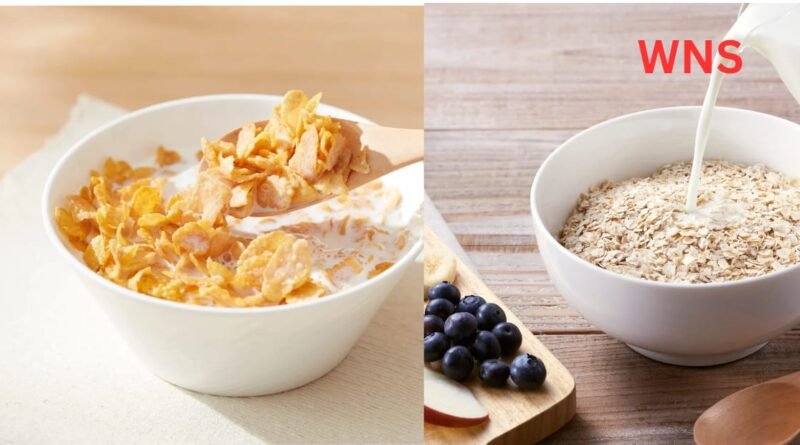
Oats are a whole grain, meaning they retain most of their natural nutrients and fiber.
Cornflakes, on the other hand, are highly processed. Corn is milled, cooked, and often flavored, which reduces its natural nutritional value.
This processing difference plays a major role in how each food affects your body.
Oats Provide More Fiber and Keep You Full Longer
Oats are rich in dietary fiber, particularly beta-glucan, a type of soluble fiber.
Fiber helps:
- slow digestion
- improve satiety
- support gut health
This means oats can keep you full for longer periods, reducing the likelihood of mid-morning hunger.
Cornflakes, in comparison, contain very little fiber, which can lead to quicker hunger after eating.
Blood Sugar Response: A Key Difference
Oats have a lower glycemic index compared to cornflakes.
This means they release energy more slowly, helping maintain stable blood sugar levels.
Cornflakes, being highly processed, are digested quickly and can cause rapid spikes in blood sugar.
This can lead to:
- energy crashes
- increased hunger
- fluctuations in mood
For sustained energy, oats are generally the better option.
Nutritional Value and Vitamins
Oats naturally contain important nutrients such as:
- magnesium
- iron
- B vitamins
- antioxidants
Cornflakes are often fortified with vitamins and minerals during processing.
While this adds some nutritional value, it does not fully replace the benefits of naturally occurring nutrients found in whole grains.
Weight Management Considerations
Oats are often recommended for weight management because of their fiber content.
They help you feel full longer, which can reduce calorie intake throughout the day.
Cornflakes, due to their low fiber and high glycemic index, may not provide the same level of satiety.
As a result, you may feel hungry sooner after eating them.
Sugar Content Can Be a Hidden Issue
Many commercial cornflakes contain added sugar.
Even small amounts of added sugar can increase calorie intake and reduce overall health benefits.
Plain oats, on the other hand, are naturally free from added sugar.
You can control sweetness by adding fruits, nuts, or natural sweeteners.
Convenience vs Nutrition
Cornflakes are extremely convenient—they require no cooking and can be prepared in seconds.
Oats may take slightly longer to prepare, although instant oats are also available.
While convenience is important, it should not come at the cost of nutrition.
Choosing oats may require a little more effort, but it often provides greater health benefits.
Digestive Health Benefits
The fiber in oats supports digestive health by promoting regular bowel movements and feeding beneficial gut bacteria.
Cornflakes, lacking significant fiber, do not offer the same digestive benefits.
A healthy digestive system plays a key role in overall wellness.
Versatility in Meals
Oats are highly versatile and can be used in a variety of ways:
- oatmeal
- smoothies
- baked goods
- overnight oats
Cornflakes are mostly limited to breakfast bowls or snack recipes.
This versatility makes oats easier to incorporate into different meals throughout the day.
So, Which One Should You Choose?
The answer depends on your priorities.
✔ Choose oats if you want:
- better nutrition
- more fiber
- stable energy levels
- improved digestion
✔ Choose cornflakes if you need:
- quick preparation
- convenience
- a light breakfast option
However, for overall health, oats are generally considered the better choice.
Whole Foods Win
The comparison between oats and cornflakes highlights an important principle in nutrition—whole foods are usually better than processed ones.
Oats provide natural nutrients, fiber, and long-lasting energy, while cornflakes offer convenience but fewer health benefits.
This doesn’t mean you must completely avoid cornflakes. But if you’re looking for a healthier breakfast option, oats are the stronger choice.
Making small changes like this can have a meaningful impact on your long-term health.
Global Public Health Systems: Policy, Pandemics & Welfare.
What Happens When You Drink Water First Thing Every Morning | Why Avocado Is Still the King of Superfoods (And Is It Really Worth the Hype?).