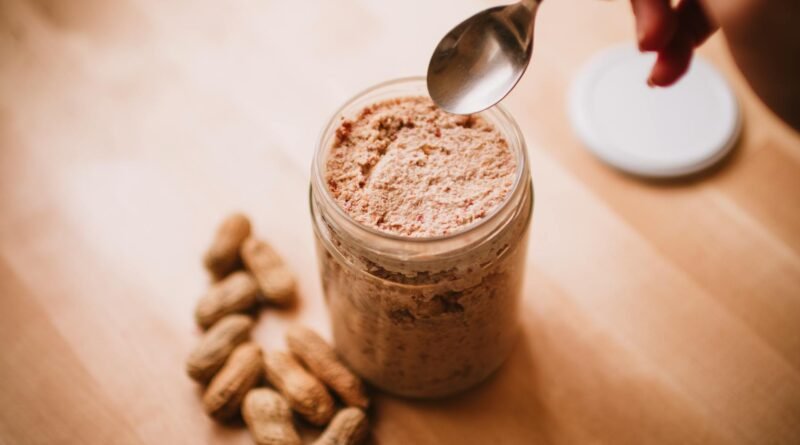
Is Peanut Butter Healthy or Fattening? The Truth You Should Know
Peanut butter is one of the most popular spreads in the world. Loved for its creamy texture and rich taste, it’s often used in sandwiches, smoothies, and snacks. But when it comes to health, opinions are divided—some consider it a superfood, while others see it as fattening.
So what’s the truth? Is peanut butter actually healthy, or should you limit it in your diet?
Vietnam Elects General Secretary To Lam as State President in Unanimous Parliamentary Vote.
Nutrition experts often analyze Peanut butter because it contains a mix of healthy fats, protein, and calories. The impact it has on your health depends largely on how much you consume and the type you choose.
Let’s break it down.
Science to Space: NASA, SpaceX Target April 8 Launch for Northrop Grumman’s CRS-24 Resupply Mission | ‘A New Era of Cosmic Surveys’: NASA to Unveil Complete Roman Space Telescope Ahead of Fall Launch.
Peanut Butter Is Rich in Healthy Fats
One of the key components of peanut butter is fat—but not all fats are bad.
Peanut butter contains mostly monounsaturated and polyunsaturated fats, which are considered heart-healthy.
These fats may help:
- reduce bad cholesterol (LDL)
- support heart health
- provide long-lasting energy
This makes peanut butter more beneficial than many processed snack options.
A Good Source of Protein
Peanut butter is also a good source of plant-based protein.
Protein plays an essential role in:
- muscle repair
- tissue growth
- maintaining energy levels
Including protein-rich foods in your diet can help you feel fuller for longer, reducing the urge to snack excessively.
High in Calories: Where the Concern Comes From
Despite its benefits, peanut butter is calorie-dense.
Just a small serving contains a significant number of calories.
This is why it is often labeled as “fattening.”
However, calories alone do not determine whether a food is healthy—the portion size and overall diet matter more.
Can It Help With Weight Management?
Interestingly, peanut butter may actually support weight management when consumed in moderation.
Its combination of protein, fats, and fiber helps promote satiety, meaning you feel full for longer.
This can help reduce overall calorie intake throughout the day.
The key is portion control—overeating peanut butter can quickly increase calorie intake.
Nutritional Value Beyond Fats and Protein
Peanut butter also contains important nutrients, including:
- magnesium
- vitamin E
- potassium
- antioxidants
These nutrients contribute to overall health and support various bodily functions.
Not All Peanut Butter Is the Same
One of the most important factors is the type of peanut butter you choose.
Many commercial brands contain:
- added sugar
- hydrogenated oils
- preservatives
These additives can reduce the health benefits.
For a healthier option, choose peanut butter with:
✔ minimal ingredients
✔ no added sugar
✔ no artificial additives
May Support Heart Health
The healthy fats in peanut butter can support cardiovascular health.
When included as part of a balanced diet, it may help improve cholesterol levels and reduce the risk of heart disease.
However, moderation remains important.
Blood Sugar and Energy Balance
Peanut butter has a relatively low glycemic impact.
This means it does not cause rapid spikes in blood sugar levels.
Instead, it provides steady energy, making it a good option for:
- sustained energy
- balanced meals
- healthy snacks
Easy to Add to Your Diet
Peanut butter is versatile and can be included in many ways:
- spread on toast
- added to smoothies
- paired with fruits
- used in healthy snacks
This makes it easy to incorporate into daily meals.
So, Is Peanut Butter Healthy or Fattening?
The answer depends on how you use it.
✔ Healthy when:
- consumed in moderation
- made from natural ingredients
- part of a balanced diet
❗ Can be fattening when:
- eaten in large quantities
- combined with sugary foods
- highly processed
The Bottom Line: Balance Is Everything
Peanut butter is neither purely “healthy” nor inherently “fattening.”
It is a nutrient-dense food that can offer significant health benefits when consumed wisely.
The key lies in:
- choosing high-quality options
- controlling portion sizes
- maintaining a balanced diet
When used correctly, peanut butter can be a delicious and nutritious addition to your daily routine.
Global Public Health Systems: Policy, Pandemics & Welfare.
What Happens When You Wake Up at 5 AM Every Day | Butter vs Margarine: Which Is Actually Healthier for Your Heart?.