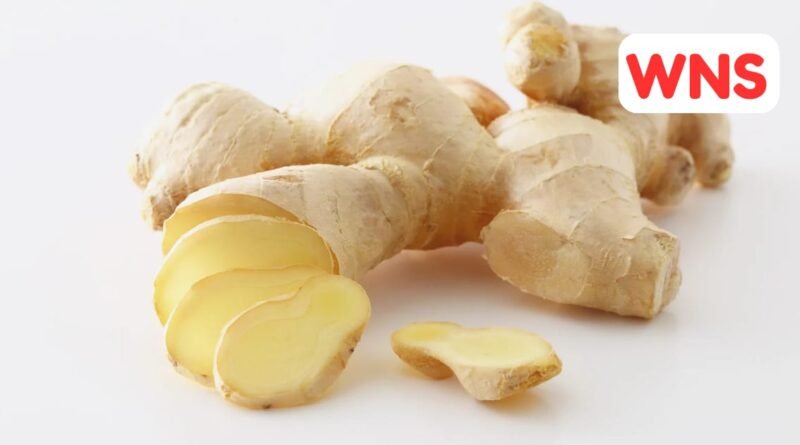
10 Powerful Health Benefits of Ginger Backed by Science
Ginger: The Ancient Rhizome Revolutionizing Modern Wellness
In the pantheon of functional botanicals, few ingredients command the reverence of ginger. Zingiber officinale—a knotted, aromatic rhizome originating from Maritime Southeast Asia—has traversed millennia as a cornerstone of Traditional Chinese Medicine, Ayurveda, and Unani systems. Today, it occupies a privileged position at the intersection of culinary arts and evidence-based therapeutics.
Global Markets Tumble as Iran Conflict Sparks Oil Surge, Safe-Haven Rush Reverses.
Modern analytical science has begun to decode what ancient healers intuited: that this unassuming root is a pharmacopeia of bioactive compounds capable of modulating inflammation, fortifying metabolic pathways, and enhancing physiological resilience. Below, we dissect the mechanisms through which ginger exerts its profound influence on human health.
The Phytochemical Architecture of Ginger
The therapeutic efficacy of ginger lies in its complex matrix of volatile oils and pungent compounds. The primary bioactive constituents—gingerols, shogaols, and paradols—are responsible for both its organoleptic intensity and its pharmacological activity.
- Gingerols: The dominant fresh constituents, exhibiting potent antioxidant and anti-inflammatory properties.
- Shogaols: Formed when ginger is dried or cooked; more bioavailable and intensely pungent than gingerols.
- Micronutrient Density: Contains vitamin C, magnesium, potassium, vitamin B6, and dietary fiber.
This synergistic profile underpins ginger’s reputation as a multitarget nutraceutical.
1. Optimizes Gastrointestinal Function
Ginger acts as a prokinetic agent, stimulating gastric motility and accelerating gastric emptying without disrupting intestinal rhythmicity. It upregulates digestive enzyme activity—specifically pancreatic lipase and amylase—facilitating macronutrient breakdown. Clinical applications include relief from functional dyspepsia, postprandial bloating, and visceral discomfort.
Mechanism in focus: Gingerols antagonize serotonin (5-HT3) receptors in the gut, reducing visceral hypersensitivity.
2. A First-Line Intervention for Nausea
Ginger is perhaps most celebrated for its broad-spectrum antiemetic effects. It demonstrates efficacy across multiple etiologies of nausea:
- Pregnancy-induced hyperemesis (safe and effective in controlled doses)
- Chemotherapy-induced nausea (adjunct to conventional antiemetics)
- Post-operative nausea (reduces recovery room incidents)
- Motion sickness (delays onset and attenuates severity)
The mechanism involves inhibition of vasopressin and modulation of gastric tachyarrhythmia, stabilizing vestibular and gastrointestinal signaling.
3. Mitigates Systemic Inflammation
Chronic low-grade inflammation is the common denominator of non-communicable diseases. Ginger disrupts this process by inhibiting the expression of pro-inflammatory cytokines (TNF-α, IL-1β, IL-6) and suppressing COX-2 and 5-LOX enzyme pathways—the same targets addressed by non-steroidal anti-inflammatory drugs, but without the accompanying gastrointestinal burden.
For individuals managing osteoarthritis or exercise-induced muscle damage, ginger demonstrates clinically meaningful reductions in pain and stiffness.
4. Enhances Immune Competence
Ginger exhibits immunomodulatory properties that extend beyond simple antimicrobial action. It promotes thermogenesis and diaphoresis, facilitating pathogen clearance during febrile illness. Its antioxidant armamentarium—particularly 6-gingerol—scavenges free radicals, reducing oxidative burden on immune cells.
Oil prices plunge more than 10% as Trump predicts swift end to Iran war NASA’s DART Mission Alters Orbit of Asteroid System Around Sun in Planetary Defense Milestone.
Epidemiological and in vivo studies support its use as a prophylactic agent during respiratory virus seasons, reducing both incidence and symptom severity.
5. Cardiovascular Protection
The cardioprotective effects of ginger operate through multiple hemodynamic and metabolic levers:
- Blood pressure regulation: Acts as a natural calcium channel blocker, promoting vasodilation.
- Lipid modulation: Reduces total cholesterol and LDL oxidation, while increasing HDL fractions.
- Anti-thrombotic activity: Inhibits platelet aggregation via thromboxane suppression.
These effects contribute to improved endothelial function and reduced atherogenic risk.
6. Glycemic Control and Insulin Sensitivity
In an era of metabolic dysfunction, ginger offers a compelling adjunct for glucose management. Randomized controlled trials indicate that ginger supplementation reduces fasting blood glucose and HbA1c in type 2 diabetics. It enhances peripheral insulin sensitivity by increasing GLUT4 translocation and modulating inflammatory mediators that impair insulin signaling.
Note: Patients on hypoglycemic agents should monitor glucose levels closely when introducing therapeutic doses of ginger.
7. Thermogenesis and Adipose Regulation
Ginger induces thermogenesis—the metabolic process by which cells convert energy into heat—primarily through adrenergic stimulation. This increases resting energy expenditure and fat oxidation. Additionally, ginger has been shown to suppress appetite and reduce postprandial hunger, supporting caloric equilibrium when integrated into a structured nutritional regimen.
8. Neuroprotective Potential
Oxidative stress and neuroinflammation are key drivers of cognitive decline. Gingerols and shogaols cross the blood-brain barrier and exert neuroprotective effects by reducing amyloid-beta accumulation and preserving dopaminergic neurons. Preliminary human studies suggest improvements in working memory, reaction time, and attention span among middle-aged women and healthy adults.
While research is still emerging, the implications for neurodegenerative disease prevention are significant.
9. Antioxidant Defense Against Cellular Aging
Ginger ranks among the highest ORAC (Oxygen Radical Absorbance Capacity) food sources. Its polyphenolic compounds neutralize reactive oxygen species, protecting mitochondrial DNA and lipid membranes from oxidative damage. This mitigates the cumulative cellular stress that underlies premature aging and chronic disease pathogenesis.
10. Antimicrobial Activity
Beyond its systemic effects, ginger demonstrates direct antimicrobial action against oral pathogens (Porphyromonas gingivalis, Streptococcus mutans) and respiratory pathogens. Its bioactive constituents disrupt bacterial biofilms and inhibit viral replication in vitro, offering a complementary approach to oral hygiene and infection prevention.
Integration into a High-Performance Lifestyle
Ginger is remarkably versatile. For maximal bioactive yield, prioritize fresh rhizome over dried powder, as fresh ginger contains higher concentrations of gingerols. However, drying and heating generate shogaols—compounds with superior anti-inflammatory bioavailability.
Practical applications:
- Infusions: Simmer fresh slices in water for 10–12 minutes to extract gingerols and volatile oils.
- Culinary incorporation: Grate into stir-fries, broths, and marinades.
- Functional beverages: Blend into cold-pressed juices, smoothies, or turmeric-ginger elixirs.
- Supplementation: Standardized extracts (5% gingerols) for consistent dosing.
Safety and Contraindications
Ginger is generally recognized as safe (GRAS) by the FDA. Therapeutic doses typically range from 1 to 3 grams daily (fresh root) or 250 mg to 1 gram of standardized extract.
Caution is warranted in:
- Anticoagulant therapy: Ginger may potentiate warfarin and aspirin due to anti-platelet effects.
- Gallstone disease: May increase bile flow, potentially exacerbating symptoms.
- High-dose regimens: May cause mild heartburn or oral irritation in sensitive individuals.
Ginger defies simple categorization. It is simultaneously a culinary staple, a traditional remedy, and a clinically validated nutraceutical. Its capacity to influence digestion, immunity, inflammation, and metabolic health positions it as an indispensable tool in the pursuit of longevity and physiological optimization.
In a world increasingly reliant on synthetic interventions, ginger remains a testament to the potency of nature’s pharmacy—a rhizome that bridges ancestral wisdom and contemporary science with remarkable precision.
Global Public Health Systems: Policy, Pandemics & Welfare.
UNICEF report warns of dual threat to children’s health as infectious diseases surge, What Is Cushing’s Syndrome? A Rare Hormonal Disorder with Devastating Health Consequences.