Butter vs Margarine: Which Is Actually Healthier for Your Heart?
For decades, the debate between butter and margarine has been at the center of nutrition discussions. One is natural and rich in flavor, while the other is often marketed as a healthier, heart-friendly alternative.
But when it comes to your health—especially heart health—which one is truly better?
22 Migrants Die After Drifting Six Days Without Food or Water Off Greek Coast.
Nutrition experts frequently compare Butter and Margarine because they differ significantly in composition, processing, and impact on the body.
Let’s break down the facts and separate myths from reality.
Afghanistan: History, Geography and Culture Shaping a Nation at the Crossroads of Asia | At least 56 cultural properties damaged across multiple provinces, including several UNESCO World Heritage sites, as war enters third week.
The Fundamental Difference: Animal Fat vs Plant-Based Spread
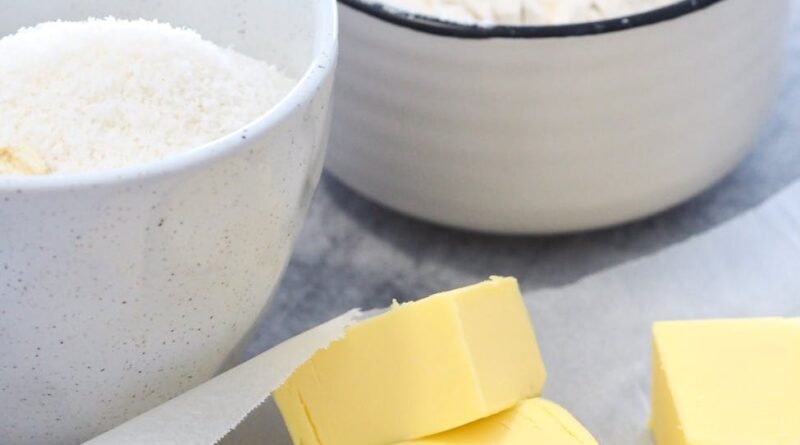
Butter is made from cream and is a natural dairy product.
Margarine, on the other hand, is typically made from vegetable oils and goes through processing to achieve a butter-like texture.
This difference affects:
- fat composition
- nutritional profile
- health impact
Understanding this distinction is key to making an informed choice.
Saturated Fat vs Unsaturated Fat
Butter is high in saturated fat, which has traditionally been linked to increased cholesterol levels.
Margarine is usually higher in unsaturated fats, which are considered better for heart health.
Unsaturated fats may help:
- reduce LDL (bad cholesterol)
- improve heart health
However, not all margarines are created equal, and their health effects depend on how they are processed.
The Issue of Trans Fats
Older types of margarine contained trans fats, which are harmful to heart health.
Trans fats can:
- increase bad cholesterol
- lower good cholesterol
- raise the risk of heart disease
Many modern margarines have reduced or eliminated trans fats, but it’s still important to check labels.
Butter naturally contains little to no trans fat, making it less risky in this specific aspect.
Natural vs Processed: Does It Matter?
Butter is a minimally processed, natural product.
Margarine is more processed and may contain additives, preservatives, and emulsifiers.
For people who prefer whole and minimally processed foods, butter may seem like the better option.
However, health is influenced by more than just processing—it also depends on fat composition and overall diet.
Impact on Cholesterol Levels
Butter’s high saturated fat content can raise LDL cholesterol levels.
Margarine, particularly those made with healthy oils, may help improve cholesterol balance.
This is why some nutrition guidelines recommend replacing saturated fats with unsaturated fats.
However, moderation is important for both.
Taste and Cooking Differences
Butter is known for its rich flavor and is often preferred in cooking and baking.
Margarine has a milder taste and is commonly used as a spread.
While taste does not directly affect health, it can influence how much you consume.
Choosing a product you enjoy may help maintain a balanced diet.
Calories: Not Much Difference
Both butter and margarine are calorie-dense.
They contain similar amounts of calories per serving.
This means that portion size is important regardless of which one you choose.
Overconsumption of either can contribute to excess calorie intake.
Which One Is Better for Heart Health?
The answer depends on the type of margarine and how each is used.
✔ Soft margarine made from healthy oils → generally better for heart health
✔ Butter in small amounts → acceptable as part of a balanced diet
❌ Margarine with trans fats → should be avoided
The key is choosing high-quality options and using them in moderation.
The Bigger Picture: Your Overall Diet Matters Most
Focusing only on butter vs margarine misses the bigger picture.
Your overall diet—including intake of fruits, vegetables, whole grains, and healthy fats—has a greater impact on health.
Both butter and margarine can fit into a healthy diet when used appropriately.
The Bottom Line: Choose Smart, Not Extreme
The butter vs margarine debate is not about declaring one completely good and the other completely bad.
Butter is natural but high in saturated fat.
Margarine can be heart-friendly but varies depending on processing and ingredients.
The best approach is balance:
- use small amounts
- choose high-quality products
- focus on overall diet
In the end, making informed choices matters more than following strict rules.
Global Public Health Systems: Policy, Pandemics & Welfare.
Why Fiber Is the Most Underrated Nutrient for Your Health | Bangladesh Launches Emergency Measles Vaccination Campaign as Outbreak Kills Over 110 Children.