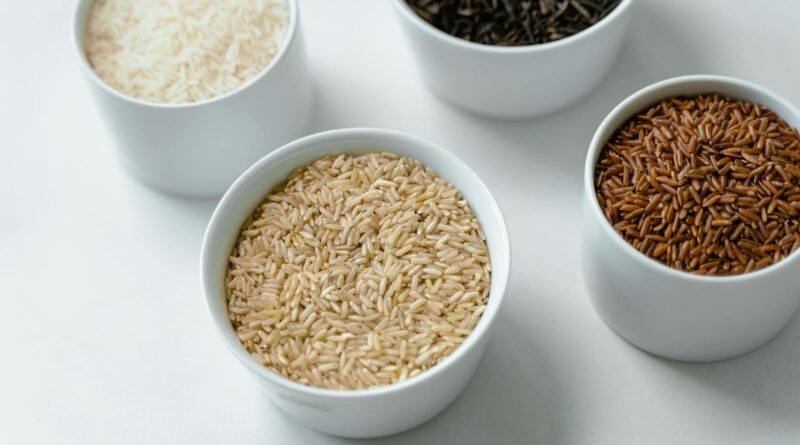
Brown Rice vs White Rice: Which Is Actually Healthier?
Rice is a staple food for billions of people around the world. Whether served with vegetables, meat, or lentils, it forms the foundation of countless meals. But when it comes to choosing between brown rice and white rice, many people are unsure which option is truly healthier.
Nutrition experts often compare Brown rice and White rice because both come from the same grain but differ in how they are processed.
Global Markets Rebound as US-Iran Ceasefire Hopes Drive Oil Below $100, Gold Surges.
So what’s the real difference—and which one should you include in your diet?
The Key Difference Lies in Processing
The main difference between brown rice and white rice is how they are processed.
Brown rice is a whole grain, meaning it retains all parts of the grain:
- bran
- germ
- endosperm
White rice, on the other hand, is refined. During processing, the bran and germ are removed, leaving only the starchy endosperm.
This gives white rice a softer texture and longer shelf life—but also removes many nutrients.
Brown Rice Offers More Nutrients
Because it retains the bran and germ, brown rice contains more nutrients than white rice.
These include:
- fiber
- magnesium
- B vitamins
- antioxidants
Fiber is particularly important because it supports digestion and helps maintain stable blood sugar levels.
White rice still provides energy, but it lacks many of the nutrients found in whole grains.
White Rice Is Easier to Digest
While brown rice is more nutritious, white rice is often easier to digest.
Oil Surges Past $115 as Middle East War Expands, Stocks Tumble Worldwide ‘A New Era of Cosmic Surveys’: NASA to Unveil Complete Roman Space Telescope Ahead of Fall Launch.
The removal of the bran reduces fiber content, making it gentler on the digestive system.
This can be beneficial for:
- people with sensitive stomachs
- individuals recovering from illness
- those needing quick, easily digestible energy
Blood Sugar Impact Is Different
Brown rice generally has a lower glycemic index compared to white rice.
This means it causes a slower rise in blood sugar levels.
White rice, being more refined, can lead to quicker spikes in blood glucose.
For people managing blood sugar levels, whole grains like brown rice may be a better choice.
Weight Management Considerations
Brown rice may support weight management due to its fiber content.
Fiber helps you feel full longer, reducing the likelihood of overeating.
White rice, while lower in fiber, can still be part of a balanced diet when consumed in appropriate portions.
The overall diet matters more than choosing one type of rice alone.

Cooking Time and Taste Preferences
Brown rice takes longer to cook and has a firmer, nuttier texture.
White rice cooks faster and has a softer, more neutral taste.
For many people, taste and convenience play a major role in food choices.
Choosing the option you enjoy is important for maintaining a sustainable diet.
Shelf Life and Storage
White rice has a longer shelf life because the oils in the bran have been removed.
Brown rice, which contains natural oils, can spoil more quickly if not stored properly.
This makes white rice more convenient for long-term storage.
Both Can Fit Into a Healthy Diet
It’s important to note that both brown and white rice can be part of a healthy diet.
The key is balance.
Pairing rice with:
- vegetables
- protein sources
- healthy fats
can improve the overall nutritional value of your meals.
Cultural and Practical Factors Matter
In many cultures, white rice has been consumed for generations as a staple food.
Its accessibility, affordability, and versatility make it an important part of diets worldwide.
Brown rice, while more nutrient-dense, may not always be practical or preferred in every situation.
So, Which One Should You Choose?
The answer depends on your needs and preferences.
✔ Choose brown rice if you want:
- more fiber
- better nutrient content
- slower energy release
✔ Choose white rice if you need:
- quick digestion
- faster cooking
- a lighter texture
Both options can be healthy when included as part of a balanced diet.
The Bottom Line: It’s About Balance, Not Perfection
The debate between brown rice and white rice is not about choosing one and avoiding the other completely.
Brown rice offers more nutrients, while white rice provides convenience and easy digestion.
Instead of focusing on one “perfect” choice, it’s better to consider your overall diet, lifestyle, and personal preferences.
In the end, both types of rice can support a healthy lifestyle when consumed in moderation and combined with other nutritious foods.
Global Public Health Systems: Policy, Pandemics & Welfare.
What Happens to Your Body When You Stop Eating Sugar for 30 Days, Is Brown Bread Really Healthy? The Truth Most People Don’t Know.