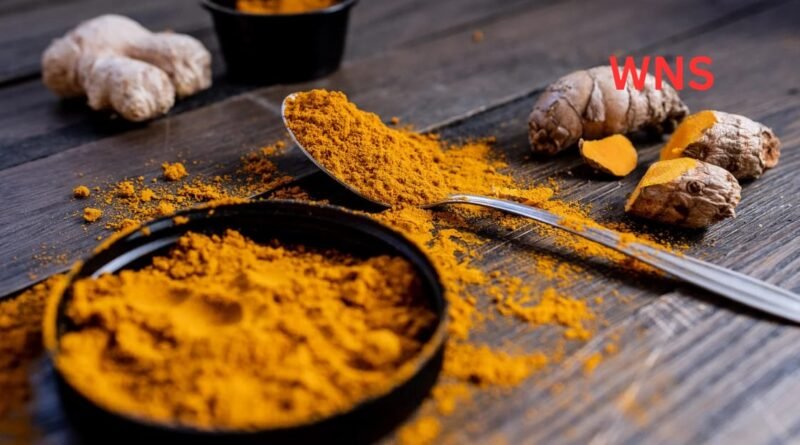
10 Evidence-Based Health Benefits of Turmeric That Make It One of the World’s Most Powerful Spices
For centuries, turmeric has been valued in traditional medicine and cooking across many cultures. Known for its bright golden color and distinctive flavor, turmeric has long been used in Asian cuisine and herbal remedies. Today, modern science is increasingly confirming what traditional practices have suggested for generations: turmeric offers a wide range of potential health benefits.
The spice comes from the root of a plant related to ginger and contains several beneficial compounds. The most important of these is curcumin, the substance responsible for many of turmeric’s health-promoting effects.
Sri Lanka Reintroduces QR Code Fuel Rationing System Amid Middle East Supply Disruption.
Nutrition experts frequently recommend incorporating Turmeric into a balanced diet because it contains powerful antioxidants and anti-inflammatory compounds that may support overall health.
Here are 10 evidence-based health benefits of turmeric that explain why it has become one of the most studied spices in modern nutrition science.
1. Turmeric Contains Powerful Anti-Inflammatory Compounds
One of the most well-known benefits of turmeric is its ability to help reduce inflammation in the body.
Inflammation is a natural response that helps the body fight infections and injuries. However, chronic inflammation has been linked to many serious health conditions, including heart disease, diabetes, arthritis, and certain cancers.
Curcumin, the active compound in turmeric, has strong anti-inflammatory properties that may help regulate inflammatory responses in the body.
By helping control inflammation, turmeric may contribute to better long-term health.
2. A Rich Source of Natural Antioxidants
Turmeric contains powerful antioxidants that help protect cells from damage caused by free radicals.
Free radicals are unstable molecules produced by environmental factors, pollution, and normal metabolic processes. Over time, these molecules can damage cells and contribute to aging and disease.
Antioxidants help neutralize free radicals and protect the body from oxidative stress.
Curcumin not only acts as an antioxidant but may also stimulate the body’s own antioxidant defenses.
Russia Accuses Ukraine of ‘Reckless’ Drone Strikes on TurkStream Gas Pipeline Supplying Europe Pi Day 2026: Celebrating Mathematics’ Most Famous Constant with Pie, Puzzles, and Einstein’s Birthday.
3. May Support Heart Health
Heart disease remains one of the leading causes of death worldwide, and maintaining cardiovascular health is an important goal of modern nutrition.
Research suggests that turmeric may support heart health by improving the function of the endothelium, the lining of blood vessels.
Healthy endothelial function helps regulate blood pressure and blood clotting while maintaining proper circulation.
In addition, the anti-inflammatory and antioxidant properties of turmeric may help reduce risk factors associated with heart disease.
4. May Help Support Brain Function
The brain relies on various growth hormones to maintain healthy neural connections. One important factor is known as brain-derived neurotrophic factor (BDNF).
Low levels of BDNF have been linked to certain neurological conditions and age-related cognitive decline.
Some studies suggest that curcumin may help increase BDNF levels in the brain, which could support cognitive function and brain health.
Although research in this area is ongoing, turmeric shows promising potential as part of a brain-supportive diet.
5. May Reduce Risk of Chronic Diseases
Chronic diseases such as heart disease, cancer, and metabolic disorders often involve a combination of oxidative stress and inflammation.
Because turmeric addresses both of these factors through its antioxidant and anti-inflammatory properties, researchers believe it may play a role in reducing the risk of certain chronic conditions.

While turmeric alone cannot prevent disease, incorporating antioxidant-rich foods into a balanced diet may contribute to overall health protection.
6. May Help Support Joint and Bone Health
Turmeric has been widely studied for its potential role in supporting joint health.
Inflammation is a major factor in joint discomfort and conditions such as arthritis. The anti-inflammatory properties of curcumin may help reduce inflammation in joints and support mobility.
Some studies suggest turmeric may help improve symptoms of joint stiffness and discomfort.
For this reason, turmeric is sometimes included in diets aimed at supporting joint and bone health.
7. May Improve Digestive Health
Turmeric has long been used in traditional medicine to support digestive function.
Curcumin may stimulate bile production in the gallbladder, which helps improve digestion and nutrient absorption.
Turmeric’s anti-inflammatory properties may also help soothe the digestive system and reduce irritation in the gastrointestinal tract.
Many people include turmeric in meals or herbal drinks as part of a digestive-supportive diet.
8. May Strengthen the Immune System
A strong immune system is essential for protecting the body against infections and illness.
Turmeric contains compounds that may help support immune function by reducing inflammation and protecting immune cells from oxidative damage.
The antioxidants present in turmeric may also help strengthen the body’s natural defense systems.
When combined with a balanced diet rich in fruits and vegetables, turmeric may contribute to improved immune resilience.
9. May Support Healthy Skin
Turmeric has long been used in skincare and traditional beauty treatments.
The anti-inflammatory and antioxidant properties of curcumin may help protect the skin from damage caused by environmental stressors such as pollution and ultraviolet radiation.
Some research suggests turmeric may support skin health by helping reduce redness and irritation.
Because of these properties, turmeric is sometimes included in natural skincare products and topical treatments.
10. Easy to Add to Everyday Meals
Another advantage of turmeric is how easy it is to incorporate into daily meals.
It is commonly used in:
- curries
- soups
- rice dishes
- smoothies
- herbal teas
Combining turmeric with black pepper can enhance the body’s ability to absorb curcumin.
Because turmeric has a mild earthy flavor, it can be used in both savory dishes and health beverages.
Why Turmeric Is Considered a Super Spice
Many spices contribute flavor to food, but turmeric stands out because it also offers substantial nutritional and medicinal properties.
Its combination of anti-inflammatory compounds, antioxidants, and potential health-supporting effects has made it one of the most studied spices in modern science.
Nutrition experts emphasize that turmeric should be viewed as part of a balanced diet rather than a single solution for health.
When combined with other nutrient-rich foods such as vegetables, whole grains, and healthy fats, turmeric can contribute to a diet that supports overall wellness.
A Traditional Ingredient With Modern Scientific Support
The growing popularity of turmeric reflects a broader trend toward rediscovering traditional foods with proven health benefits.
Modern research continues to explore how compounds like curcumin interact with the body and support various aspects of health.
Although turmeric has been used for thousands of years in traditional medicine, ongoing scientific studies are helping to confirm many of its potential benefits.
As interest in natural health solutions continues to grow, turmeric is likely to remain one of the most widely recommended spices in healthy diets.
Global Public Health Systems: Policy, Pandemics & Welfare.
‘One Battle After Another’ Triumphs at Oscars 2026, ‘Sinners’ Shatters Records But Falls Short of Sweep, 10 Science-Backed Health Benefits of Kale That Make It One of the Healthiest Greens.