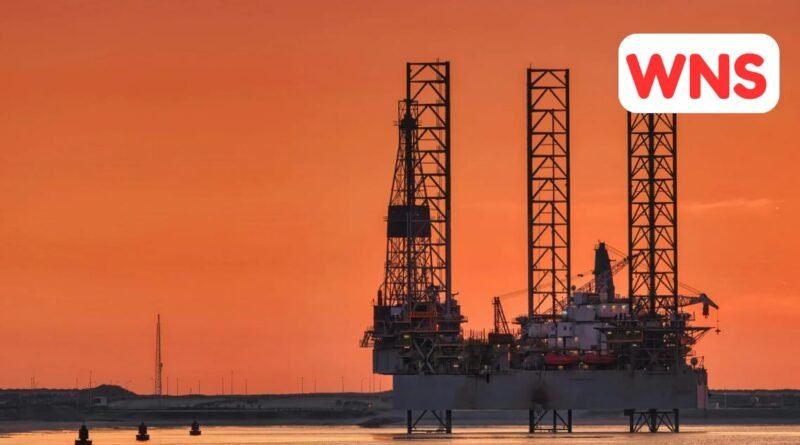
Oil prices plunge more than 10% as Trump predicts swift end to Iran war
Crude markets experience historic reversal with WTI crashing from $119 to below $85 as diplomatic efforts and potential reserve releases calm supply fears
LONDON — March 10, 2026 — Global oil prices have cratered more than 10 percent in one of the most dramatic reversals in energy market history, plunging from three-year highs above $119 per barrel to below $85 as diplomatic signals and potential intervention by major economies eased fears of a prolonged supply disruption from the escalating Iran conflict .
West Texas Intermediate (WTI) crude futures crashed as low as $81.19 per barrel on Monday before settling near $85, representing a staggering 28 percent drop from the session’s peak . The selling intensified in Asian trading Tuesday, with WTI plunging another 10 percent to hit $84.43, while Brent crude tumbled to $88.05 — a collapse of more than 30 percent from Monday’s highs above $119 .
Global Markets Tumble as Iran Conflict Sparks Oil Surge, Safe-Haven Rush Reverses.
The reversal marks the sharpest intraday swing in oil markets since the 2020 COVID-19 demand collapse and represents a complete evaporation of the “panic premium” that had built over the past week .
Trump’s comments trigger selloff
The catalyst for the historic reversal came from US President Donald Trump, who told CBS News on Monday that he believes the war against Iran “is very complete” and that Washington was “very far ahead” of his initial four- to five-week estimated timeframe .
Trump suggested the military campaign could end much sooner than anticipated, directly contradicting earlier expectations of a protracted conflict that would keep oil supplies offline for weeks or months .
“Clearly Trump’s comments about a short-lived war have calmed markets,” said Suvro Sarkar, energy sector team lead at DBS Bank. “While there was an overreaction to the upside yesterday, we think there is an overreaction to the downside today” .
At a press conference Monday, Trump also indicated he would consider canceling some oil-related sanctions to help stabilize prices, further contributing to the bearish sentiment .
Diplomatic channels open
Adding to the selling pressure, Russian President Vladimir Putin held a phone call with Trump and shared proposals aimed at a quick settlement to the Iran war, according to a Kremlin aide, easing concerns about a prolonged supply disruption .
The diplomatic engagement between Moscow and Washington signaled that major powers are actively working to de-escalate the conflict that has roiled global energy markets since February 28 .
G7 and strategic reserves
Seven Group of Seven (G7) energy ministers scheduled an emergency call for Tuesday to discuss coordinated action, including the potential release of strategic petroleum reserves to calm markets . The possibility of intervention by major oil-consuming nations added another layer of selling pressure.
“Discussions around easing sanctions on Russian oil, comments from Donald Trump hinting that the conflict could eventually de-escalate, and the possibility of G7 countries tapping strategic oil reserves all pointed to the same message — that oil barrels will somehow continue to reach the market,” said Priyanka Sachdeva, a Phillip Nova analyst .
“Once traders sensed that supply routes could still be maintained, the initial ‘panic premium’ that had pushed prices above the $100 mark yesterday started to fade, and oil prices quickly pulled back” .
NASA’s DART Mission Alters Orbit of Asteroid System Around Sun in Planetary Defense Milestone Kenya floods death toll rises to 45 as heavy rains continue to batter Nairobi.
Market volatility and warning signs
Despite the dramatic selloff, analysts cautioned that markets remain highly unstable. IG market analyst Tony Sycamore said he expects crude oil to remain “highly volatile, trading within a wide range between US$75-ish and US$105-ish in the sessions ahead” .
Trading volumes dropped sharply, with Brent volumes falling to about 284,000 contracts — the lowest since February 27, just before the war began — suggesting thin liquidity may have exacerbated the price swings .
Saudi Arabia’s Aramco, the world’s top oil exporter, warned there would be “catastrophic consequences” for global oil markets if the conflict continues to disrupt shipping through the Strait of Hormuz .
Iran pushes back
Iran’s Islamic Revolutionary Guards Corps (IRGC) pushed back against Trump’s optimistic timeline, stating they would “determine the end of the war” and that Tehran would not allow “one liter of oil” to be exported from the region if US and Israeli attacks continued .
However, those comments failed to lift prices as markets focused on the diplomatic signals from Washington and Moscow .
Supply realities and price forecasts
Despite the price collapse, actual supply disruptions remain significant. Gulf oil producers have begun cutting output, with Iraq slashing production at its main southern oilfields by 70 percent to 1.3 million barrels per day, Kuwait declaring force majeure, and Saudi Arabia beginning to trim production .
JPMorgan warned that policy measures “may have limited impact on oil prices unless safe passage through the Strait of Hormuz is assured, given the potential losses of up to 12 million bpd over the next two weeks” .
DBS Bank’s Sarkar noted that Middle Eastern benchmark grades like Murban and Dubai “are still well above $100 per barrel, so practically nothing much has changed in terms of ground realities” .
Goldman Sachs maintained its forecast for Brent at $66 per barrel in the fourth quarter, suggesting significant downside remains if geopolitical tensions ease further .
Market implications
The sharp reversal in oil prices has rippled across global markets. Asian equities rebounded as the immediate inflation threat appeared to ease, with Japan’s Nikkei and South Korea’s Kospi recovering some of their recent losses .
Gold prices retreated from recent highs as the safe-haven bid faded, while Asian currencies gained ground against the dollar on expectations that peak inflation pressures may have passed .
Domestically, Chinese fuel prices saw their largest increase in four years on Monday, with analysts noting that Tuesday’s sharp drop in crude will take time to filter through to retail prices .
The dramatic reversal in oil prices from $119 to below $85 represents one of the most volatile 24-hour periods in energy market history. Trump’s comments suggesting a swift end to the Iran war, combined with diplomatic engagement between Washington and Moscow and the prospect of strategic reserve releases, have completely reshaped market sentiment.
Yet ground realities remain tense. Gulf producers are cutting output, the Strait of Hormuz remains perilous, and Iran has vowed to block exports if attacks continue. The coming days will determine whether this is the beginning of a sustained price decline or merely a temporary pullback in a market that remains highly vulnerable to geopolitical shocks.
For now, the panic premium that sent prices soaring has evaporated — but as Aramco’s warning suggests, the underlying risks to global oil supplies have not.
SOURCES / INPUTS
Reuters: Oil sinks over 5% as Trump predicts Middle East de-escalation
Bloomberg: Oil plunges below $90 as Trump signals Iran war may end soon
CNN: Oil prices crater more than 10% as Trump sees quick end to Iran war
Understanding the Global Economy: GDP, Inflation, Trade & Monetary Policy.
Oil prices surge past $100 per barrel for first time since 2022 as Iran war disrupts global supply, ILO report finds global job quality stagnating despite stable unemployment.