Iran Parliament Approves Landmark $2 Million Toll Plan for Strait of Hormuz
Legislation formalizes payment system in Iranian rials, bans US and Israeli vessels, and threatens entrenched global inflation if implemented
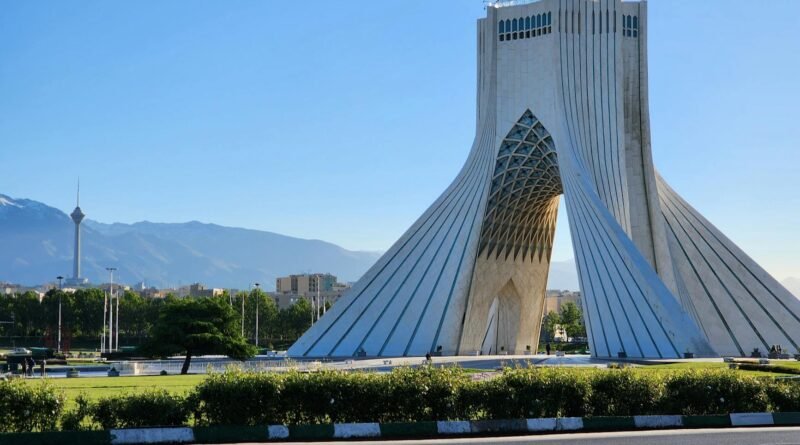
TEHRAN — April 1, 2026 — Iran’s parliamentary National Security Commission has approved a sweeping bill imposing transit fees of approximately $2 million per vessel on ships passing through the Strait of Hormuz, state media reported, in a move that could fundamentally alter the legal and economic framework governing one of the world’s most critical maritime chokepoints.
The legislation, which cleared the key committee on March 30, outlines a series of new regulations for the strategic waterway, including financial provisions that would require ships to pay transit fees in Iran’s national currency, the rial . According to the Fars News Agency, commission member Mojtaba Zarei said the bill also includes restrictions barring vessels linked to the United States and Israel from passing through the strait, as well as prohibiting access for countries that have joined unilateral sanctions against Iran .
Why Avocado Is Still the King of Superfoods (And Is It Really Worth the Hype?).
The legislation must now pass a full parliamentary vote before being reviewed by the Guardian Council and signed by the president to become law .
Unprecedented ‘Strait Toll’ in Modern Shipping History
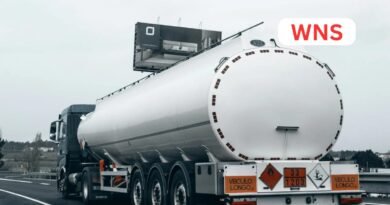
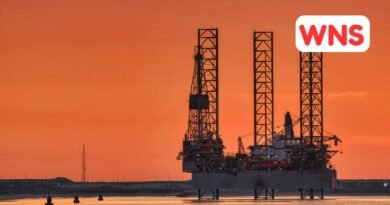
The proposed fee of approximately $2 million per vessel would represent an unprecedented move in modern shipping history: no nation has unilaterally enforced toll fees on an international strait before . The Strait of Hormuz handles an average of 20 million barrels of crude oil daily—the equivalent of 10 very large crude carriers (VLCCs)—as well as approximately 20 percent of global liquefied natural gas (LNG) trade .
‘They Cannot Afford Another Fall’: Myanmar’s Fragile Recovery from Deadly Earthquake Undermined by Global Crises The Cost of War: How the Iran Conflict Is Reshaping Global Markets and Daily Life.
Iranian officials have justified the measure as an exercise of sovereignty. Mohammad Reza Raeaei Kuchi, head of the parliamentary civil committee, argued: “Since we guarantee security in the Strait of Hormuz, it is natural for ships to pay tolls” . Ebrahim Azizi, head of the parliamentary national security committee, posted on social media that “the Strait of Hormuz will certainly reopen, but not for you; it will be open for those who comply with the new laws of Iran. The 47 years of hospitality are over forever” .
International Law Conflict
The plan directly conflicts with the United Nations Convention on the Law of the Sea (UNCLOS), which guarantees the right of transit passage for ships of all countries through natural straits and prohibits unilateral fee imposition by coastal states . Iran is not a signatory to the convention, though the right of passage has been recognized as customary international law.
Kim In-hyun, emeritus professor at Korea University Law School, noted the practical reality: “Since the logic of power operates at the base of international law, Iran could invoke the fact that it is not a party and forcibly collect tolls through a show of force” .
Some Vessels Already Paying
According to shipping industry outlet Lloyd’s List, on March 30, more than 20 vessels used a new bypass route established by Iran, with at least two confirmed to have paid toll fees. One of these ships reportedly paid approximately $2 million .
According to CNN analysis cited by industry reports, collecting $2 million per vessel would generate $20 million daily from crude oil alone, and more than $800 million monthly when including LNG shipments—revenue comparable to Egypt’s monthly income from the Suez Canal . This would represent a critical alternative income source for Iran, whose economy is crippled by international sanctions.
Explosive Cost Pressures and Inflation Risk
The shipping industry has warned that toll fees could become a fixed base cost, akin to a value-added tax, that would drive up freight rates and commodity prices permanently. A senior official in South Korea’s shipping industry told Chosun Biz: “If tolls harden into costs like value-added tax, even after the war ends, freight rates and oil prices will not return to their previous levels, potentially sparking stagflation” .
Additional costs extend beyond the $2 million fee. Global insurers have raised war risk surcharges from less than 0.25 percent of a vessel’s peacetime value to 1.5–3 percent recently. For a $100 million oil tanker, this means an additional $1.5–3 million in insurance premiums on top of the toll .
The toll collection process itself will add logistical bottlenecks, as ships must submit navigation information to Iranian military authorities and undergo inspections, increasing demurrage fees (compensation for vessel delays) and reducing overall available shipping capacity .
Regional and Global Reactions
The legislation has drawn sharp concern from energy-importing nations, particularly in Asia, which relies heavily on the Strait of Hormuz for crude oil imports. South Korea, which imports 70 percent of its crude oil through the strait, faces particular vulnerability .
The petrochemical sector has already been hit hard, with naphtha import prices surging 50 percent since the war began . The ethylene spread—a key profitability indicator—has remained below break-even levels, entrenching operating losses for petrochemical companies .
The toll plan emerged as the conflict between Iran and the US-Israel alliance entered its second month. Since February 28, when the US and Israel launched joint strikes on Iran, the strait has been effectively closed to most shipping. Iran has retaliated with drone and missile strikes targeting Israel, Jordan, Iraq, and Gulf countries hosting US military assets, causing casualties and infrastructure damage while disrupting global markets .
Alternative Routes Limited
The US Energy Information Administration (EIA) reports that the 20 million barrels of crude oil passing through the Strait of Hormuz daily is approximately four to six times the capacity of alternative pipelines in neighboring countries (3.5–5.5 million barrels per day), making detours practically impossible .
Next Steps
The legislation now moves to a full parliamentary vote, which is expected to pass given the committee’s approval. The bill would then require review by the Guardian Council and signature by President Masoud Pezeshkian to become law .
Industry analysts warn that if tolls are implemented, they could trigger structural inflation across global economies. According to International Monetary Fund data, a 10 percent rise in international oil prices leads to a 0.4 percentage point increase in global inflation .
As the head of Iran’s parliamentary national security committee declared: “The Strait of Hormuz will certainly reopen, but not for you; it will be open for those who comply with the new laws of Iran” .
SOURCES / INPUTS
BERNAMA: Iran’s parliament committee approves Strait of Hormuz toll plan
Arab Times: Iran Lawmakers Draft Bill to Charge Ships Using Strait of Hormuz